
Pertamina increases 1.3 million litres of kerosene to Papua ahead of Eid
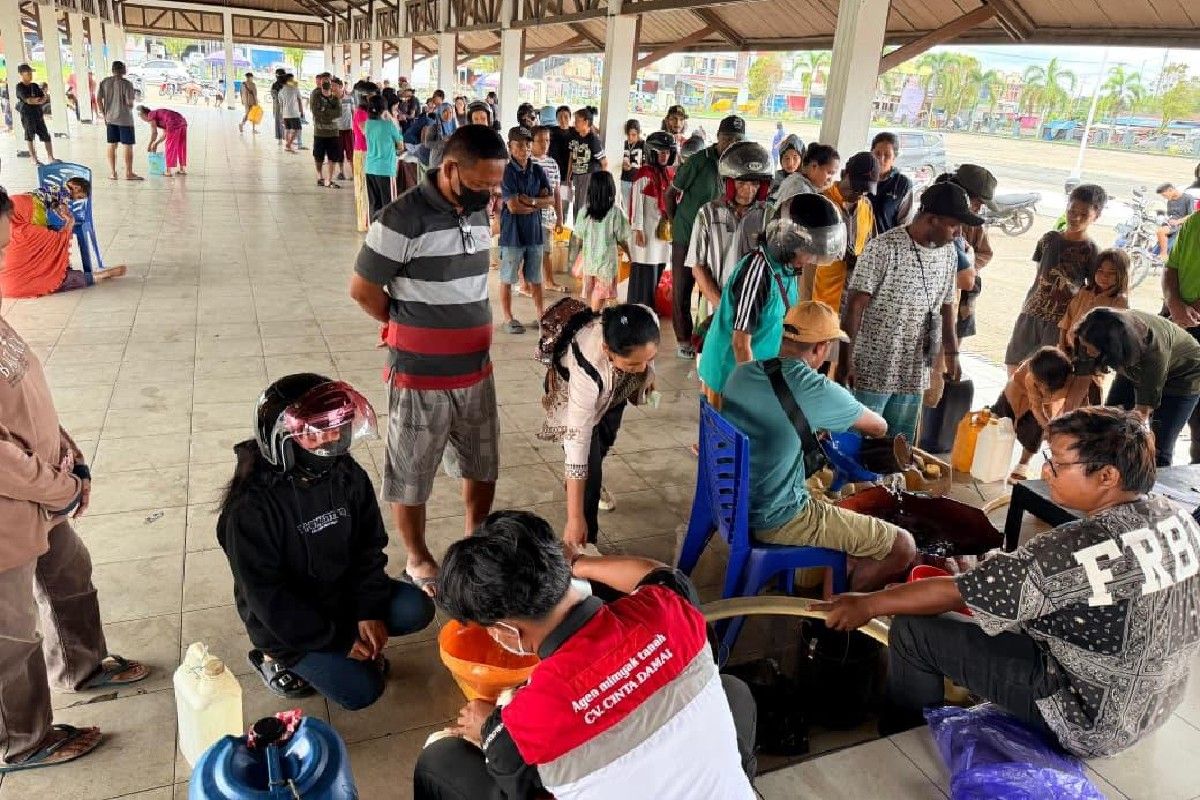
Jayapura — PT Pertamina Patra Niaga Regional Papua Maluku has increased subsidised kerosene supplies by 1.3 million litres to ensure energy availability for residents ahead of Eid al-Fitr 1447 Hijriah (Eid 2026) in the region.
Executive General Manager Awan Raharjo stated in Jayapura on Sunday that the additional distribution, known as extra dropping, had been co-ordinated with local governments to ensure targeted distribution that meets the needs of communities that require it.
“This step represents Pertamina’s commitment to providing the best service during the holy month of Ramadan leading up to Eid al-Fitr, particularly for communities in Papua and Maluku who still depend on kerosene as a household fuel,” he said.
According to Raharjo, an additional 130,000 litres will be distributed in Papua Province across Jayapura City, Sarmi Regency, Keerom, Yapen Islands, Waropen, and Biak Numfor.
“Additionally, 125,000 litres will be supplied to Southwest Papua Province, distributed across Sorong City, Sorong Regency, South Sorong, and Raja Ampat,” he stated.
He explained that West Papua Province will receive an additional 50,000 litres, focused on Kaimana and Fakfak Regencies.
“We are also increasing supplies to Central Papua Province by 64,000 litres, to be distributed across Mimika, Nabire, and Dogiyai Regencies,” he added.
Raharjo noted that the additional kerosene distribution would be rolled out in stages beginning 12 March through to approximately two to three days before Eid, adjusted to match actual demand conditions in the field.
“Therefore, we remind all kerosene retailers to sell at the Maximum Retail Price (HET) set by local governments,” he said.
“We are also ensuring that kerosene stocks remain adequate during the Ramadan and Eid period, from fuel terminals through to agents and distribution points,” he concluded.