
Pertalite Begins to Disappear from Several Petrol Stations, ITB Expert's Spotlight
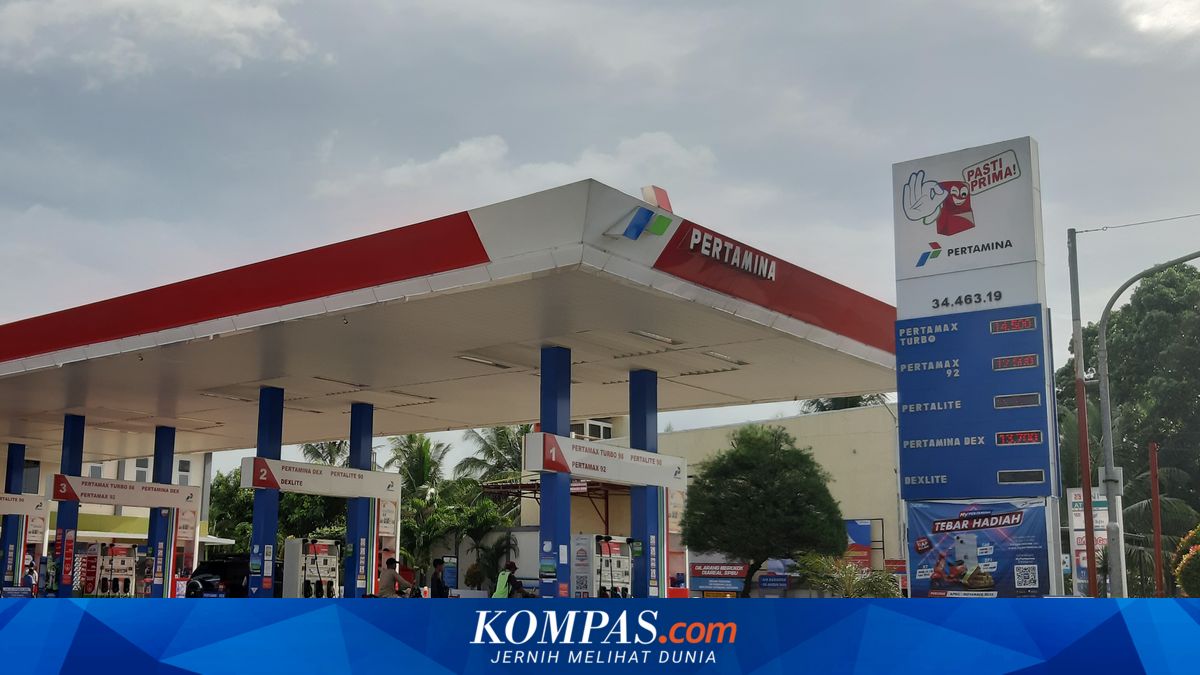
The emergence of several petrol stations in Jakarta and its surroundings that no longer sell Pertalite has begun to attract public attention. A number of petrol stations in the Jabodetabek area are known to have transformed into non-subsidiary petrol stations and no longer provide Pertalite or subsidised Solar.
Pertamina Patra Niaga states that this change does not mean the general elimination of Pertalite, but rather a change in service status to Signature petrol stations.
Several petrol stations in South Jakarta and some strategic points in Jabodetabek now only serve non-subsidiary fuel products such as Pertamax and its variants above.
This service model change is directed towards the Signature petrol station concept, namely fuelling stations with more modern facilities and a focus on non-subsidiary services.
Although there is no official policy yet on the elimination of Pertalite in major cities, the existence of petrol stations without Pertalite is starting to create the perception that the distribution of subsidised fuels in urban areas is becoming increasingly selective.
In response to this phenomenon, Tri Yuswidjajanto Zaenuri, a professor from the Institut Teknologi Bandung (ITB), assesses that the restriction of Pertalite actually has a technical basis from an environmental perspective.
“Pertalite should indeed be restricted only to the underprivileged population, because that petrol does not comply with Euro-4 regulations for cars and Euro-3 for motorcycles,” he told Kompas.com on Thursday (7/5/2026).
According to Tri, the use of fuel with lower emission standards has the potential to worsen air quality, especially in urban areas with high vehicle density.
“If that is done, air pollution should decrease and the public will be healthier,” he said.
He assesses that the change in service patterns at several petrol stations can be read as part of a more selective distribution of subsidised fuels, especially in urban areas.
If previously subsidised fuels were available at almost all petrol stations, now segmentation of services based on location and type of petrol station is starting to appear.
On the other hand, this change also raises questions about urban residents’ access to subsidised fuels.
For some motorbike users and daily vehicles in big cities, Pertalite has so far been the primary choice due to the significant price difference compared to non-subsidiary fuels.
If the trend of petrol stations without Pertalite continues to spread, consumers will indirectly be encouraged to use fuels at higher prices.
This situation creates a dilemma between efforts to improve environmental quality and the economic burden on vehicle users.