
Personality and childhood experiences influence attitudes towards war
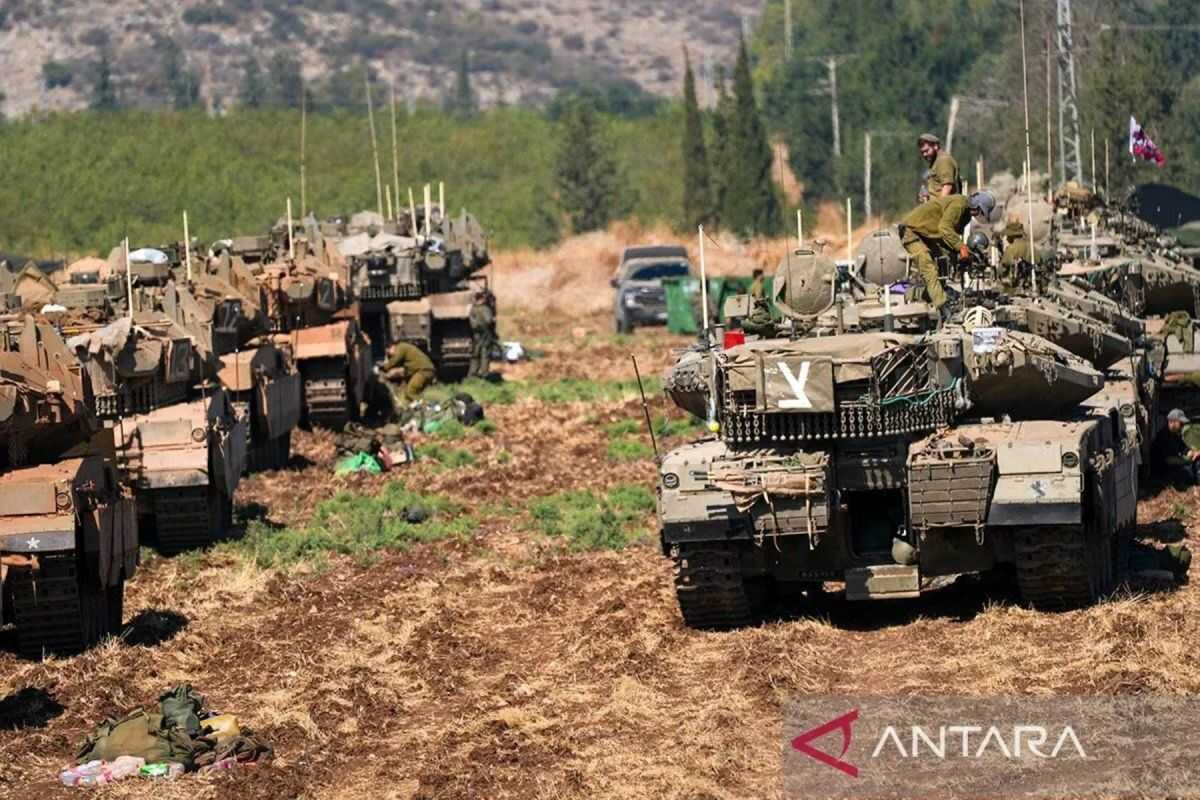
Jakarta — An individual’s attitude towards war can be influenced by psychological factors, including personality traits and childhood experiences, according to the findings of a recent study.
Psychology Today reported on Sunday (1 March) local time that research involving over 1,000 respondents in England revealed a connection between individual character and levels of support for military conflict.
The study, entitled “Authoritarianism and the Psychology of War: Exploring Personality Traits in the Legitimation of Military Conflict,” examined various aspects of respondents’ personalities and their life experience backgrounds.
The research findings demonstrated that men tend to be more supportive of war than women. Older respondents and those with right-leaning political views were also found to be more likely to approve of the use of military force.
Beyond demographic factors, researchers discovered that a tendency called authoritarian submission has a strong relationship with support for war. This term refers to an attitude of obedience and submission to authority, along with the belief that social stability must be maintained through compliance with leaders and rules.
Individuals with high levels of authoritarian submission tend to display a stricter attitude towards groups perceived as deviating from norms.
Another contributing factor is social dominance orientation, which refers to a preference for hierarchical societal structures and the existence of inequality between groups.
Respondents with high social dominance orientation were more likely to support the idea that military conflict can be used to maintain a nation’s position or power.
Researchers assessed that negative experiences in early life stages can influence how individuals view aggression, threats, and the justification for the use of force.
These findings indicate that differences in pro- and anti-war attitudes are influenced not only by strategic considerations or political interests, but also by psychological characteristics developed from an early age.
The study determined that understanding personality factors and life experiences can help explain the dynamics of public opinion in responding to armed conflict.