
Persib Bandung and the love that is passed down through generations
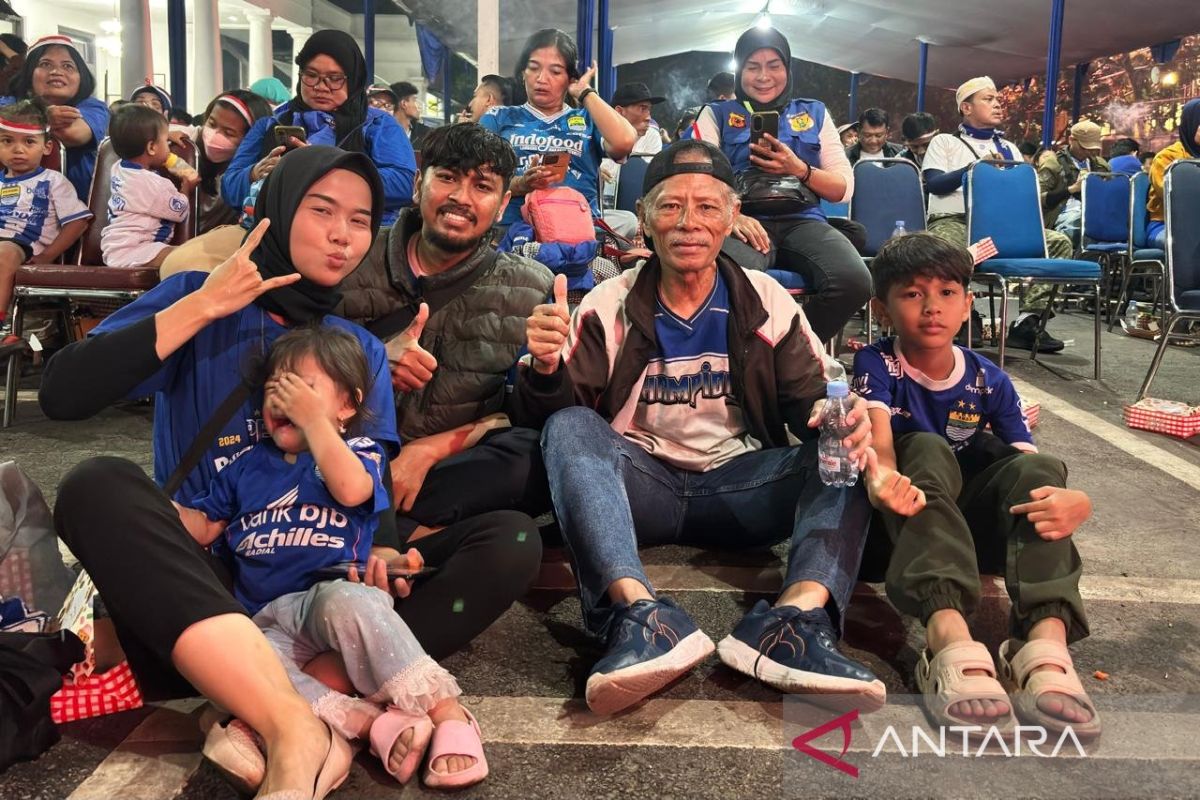
Persib remains an emotional space for West Java’s people to feel connected to one another.
Bandung city — The cheers of thousands of bobotoh (supporters) erupted when Persib Bandung’s defender Julio Cesar emerged as the hero of the victory with a goal in the 90+7th minute against PSM Makassar on Sunday night (17 May).
That late goal not only secured the win for Maung Bandung but also sustained Persib’s hopes of recording three consecutive titles in Indonesia’s top-tier football.
That night Bandung wore a blue hue. The euphoria of victory spread to every corner of the city, from narrow lanes and roadside coffee stalls to the Pasupati Bridge. The sound of motorbike horns rang out endlessly.
Amidst the crowd and the revelry, a young boy sat on his father’s shoulders, clutching a scarf bearing Persib Bandung. He looked truly happy.
The love for Persib is born even before a child truly understands what football means. That sentiment grows through a father’s stories, the roar of the stands, and the blue kit that is handed down.
In Bandung and West Java, backing Persib is more than a 90-minute match. The love lives in family stories, passed down from generation to generation, from grandfather to father, then to son and grandson.
Bandung historian Hevi Fauzan regards the birth of Persib as inseparable from the history of the indigenous community during the Dutch colonial era. According to Hevi, Persib’s formation began with a cluster of small indigenous clubs in Bandung that later merged into a single city club, representing the city. “So Persib was born from small indigenous clubs that then formed one large club representing the city,” Hevi said.