
Periklindo Proposes EV Incentives Based on Battery Efficiency and Safety
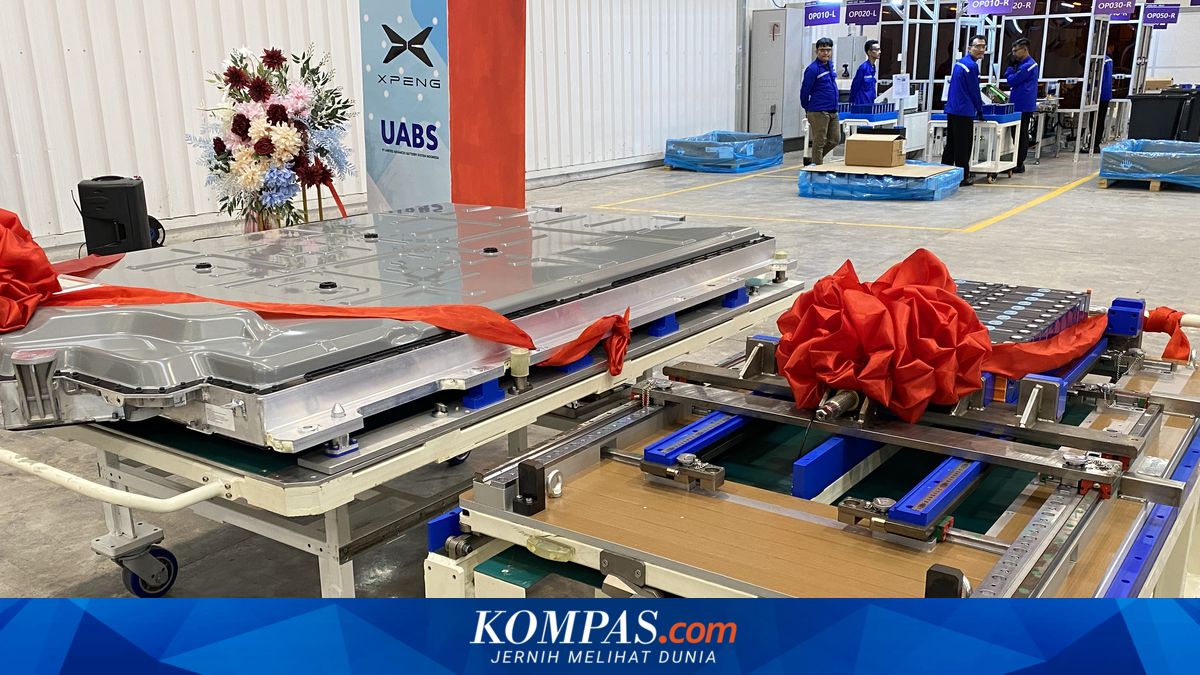
Jakarta, Kompas.com – The government’s plan to provide electric vehicle incentives in 2026 continues to draw attention from automotive industry stakeholders, including the Indonesian Electric Vehicle Industry Association (Periklindo). One key issue under discussion is the incentive scheme based on battery types. Previously, the government proposed offering purchase incentives through the Government-Borne VAT (PPN DTP) scheme, with reports suggesting larger incentives for nickel-based or MCN (Manganese Cobalt Nickel) batteries to support national nickel industry downstreaming.
Achmad Rofiqi, Periklindo’s Vice Chairman for Public Relations and Education, argued that incentive policies should not solely focus on battery material but also consider efficiency and safety. “For batteries, what’s needed are lighter ones with longer range and greater safety. These three aspects should be prioritised,” he told Kompas.com recently.
He added that incentives should reflect battery quality and user benefits. “Why? Because end consumers will ultimately benefit,” he said.
Rofiqi also stressed the importance of battery safety, noting that EV fires are not always due to battery type alone. “Recent incidents have been caused by manufacturers’ quality control lapses, user behaviour, flaws in the charging ecosystem, and collision-related issues – where vehicles may not ignite immediately but short-circuit days later,” he explained.
Therefore, he stated that developing safer battery technology must be a priority in EV incentive policies.