
Pekatan Batik continues to flourish, reviving Nusantara textiles through BRI empowerment
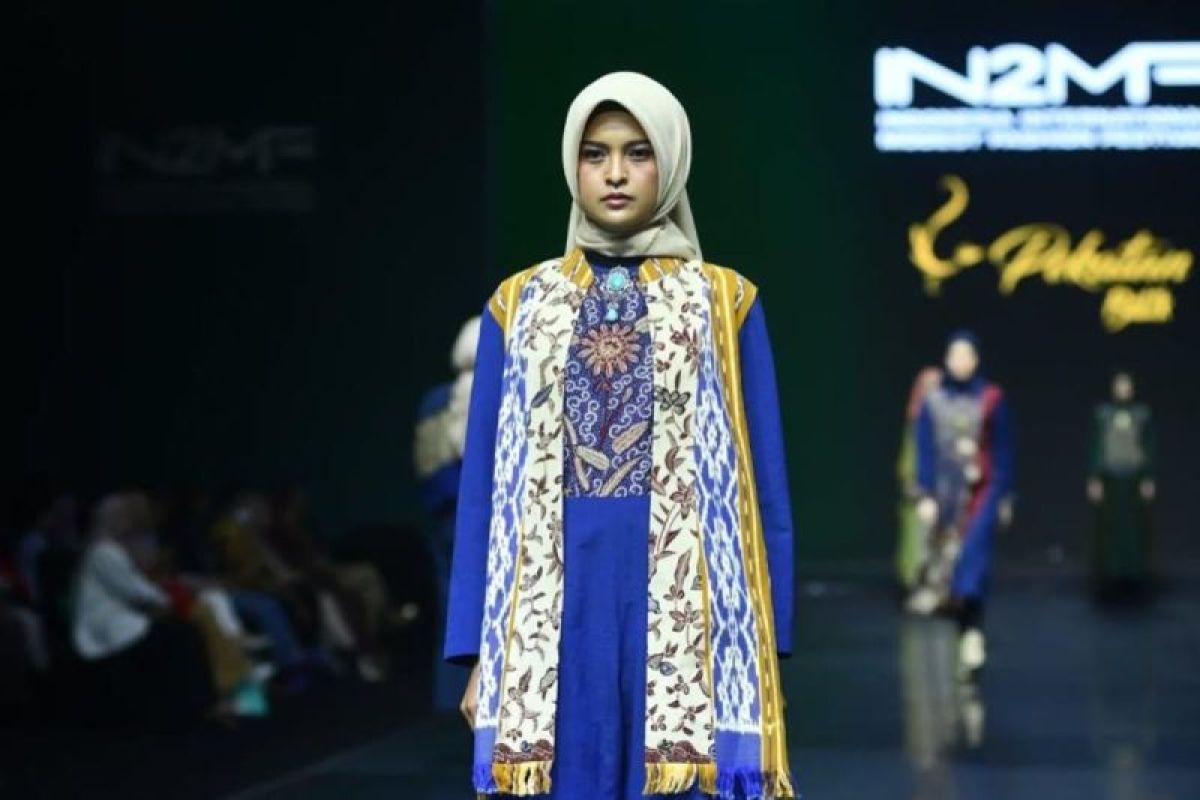
Jakarta – Devotion to Nusantara textiles has led Ifti, an entrepreneur from Pekalongan now based in Depok, to dedicate her life to preserving this cultural wealth.
Her passion for traditional Indonesian textiles intensified after meeting her husband, who shared the same passion. Pekatan Batik was officially established in Depok, West Java in late November 2019. However, the venture’s early journey was turbulent due to the COVID-19 pandemic, which struck shortly after its founding.
The business temporarily ceased operations before eventually returning to growth through online sales. From that point, Pekatan gradually expanded, evolving beyond a commercial venture into a space dedicated to keeping Nusantara textiles alive and thriving.
Pekatan Batik preserves hand-drawn batik, Badui weaving, and lurik from non-mechanical looms (ATBM) through coastal collections and ready-to-wear products. For Ifti, batik and weaving are far more than fabrics—they represent cultural wealth that must be maintained and worn across generations.
Through modern, limited, and exclusive designs, Pekatan seeks to challenge the perception that batik is exclusively associated with formal occasions or older generations. Nusantara textiles can be worn across various occasions, remaining fashionable whilst preserving their cultural value.
In production, Pekatan Batik maximises the use of available fabrics. Fabric scraps are not discarded but transformed into new products with intrinsic worth, ensuring each collection is produced in limited quantities whilst remaining environmentally responsible.
Pekatan Batik’s various collections have reached local and national markets, and have been exported to countries including Korea and several European nations. Pekatan’s products are frequently used as souvenirs by institutions and companies during international events.
Pekatan Batik’s business trajectory accelerated when Ifti joined BRI’s Rumah BUMN (State-Owned Enterprises House) in Jakarta in 2024. From this platform, she focused not only on production but also on business expansion through various training programmes and opportunities provided.
“I completed training in fashion, design, business, and finance. Despite lacking a design background, I learned extensively about design and business management, and gained opportunities for exhibitions and business matching. I believe the most impactful aspects were the expo and design training. Through the expo, I could observe the products and models most desired by the market. Through design training, I learned considerably because I lacked a background as a designer,” Ifti stated.
In a separate statement, BRI’s Micro Director Akhmad Purwakajaya emphasised that Rumah BUMN BRI serves as a collaborative platform for business operators to enhance capacity and competitive advantage. This initiative was designed to support micro, small and medium enterprises (MSMEs) in expanding networks and capturing opportunities amid increasingly intense market competition.
He further stressed that MSME development forms part of BRI’s sustained commitment to driving inclusive economic growth. To date, BRI has established 54 Rumah BUMN facilities and conducted over 18,218 training sessions for UMKM operators across Indonesia.