
Peer-to-Peer Lending Traps Make It Difficult for the Public to Own Homes, Developers Must Be Selective
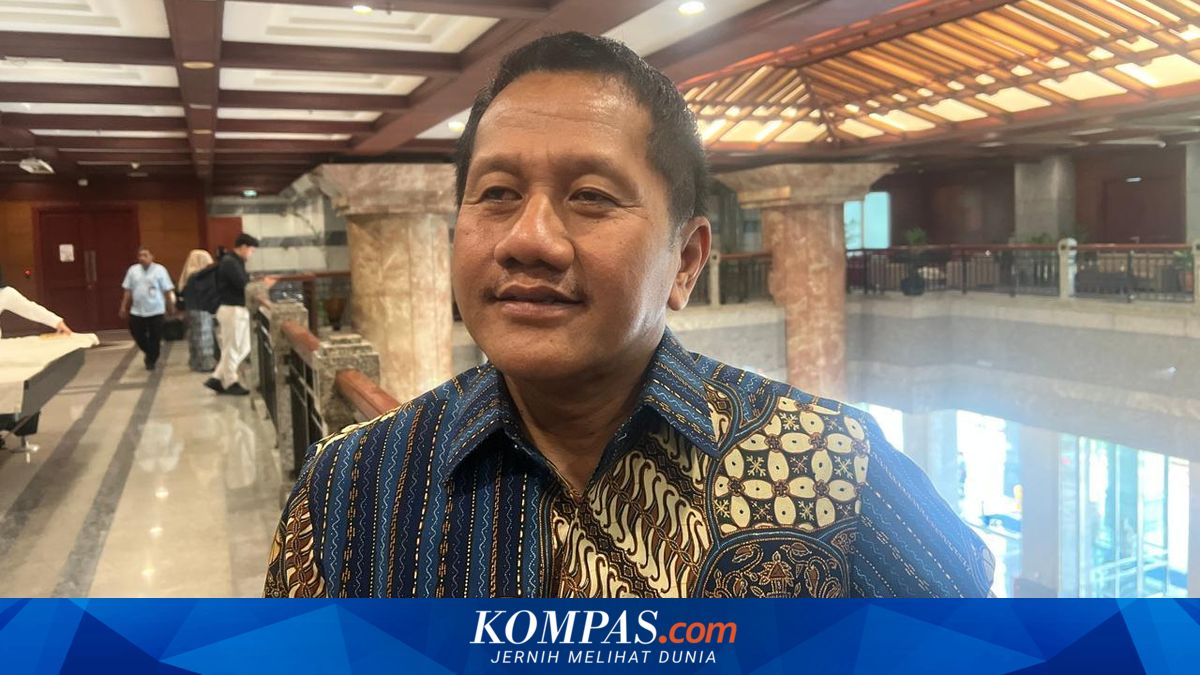
JAKARTA - The policy of waiving credit arrears below Rp 1 million does not immediately prompt developers to relax their selection of potential consumers. For instance, Real Estat Indonesia (REI) has affirmed that the screening process will continue to safeguard the health of the housing financing ecosystem. Chairman of the Central Board of Directors (Ketum DPP) of REI, Joko Suranto, explained that from the outset, they have adhered to the principle of prudence by supporting all parties involved in the housing sector. “The disclaimer is that we are pro towards healthy banks, because if the banks are unhealthy, we are also in trouble. We are also pro towards proper developers. Thus, they can deliver decent homes. We are also pro towards good consumers,” Joko said when met at the Financial Services Authority (OJK) office in Jakarta on Monday (13/4/2026). Firstly, according to him, many members of the public actually have the desire to settle their obligations but do not understand the mechanisms. This occurs because the systems used tend to be digital-based without direct assistance. “The problem is that some want to settle but do not know how to do so, because the institutions are online,” he said. Secondly, he highlighted the differing treatment between conventional banking credit and services like paylater or peer-to-peer lending. In the banking system, handling problematic credit involves lengthy stages, from communication and guidance to restructuring that can take years. In contrast, with digital services, communication is deemed shorter and faster. Thus, arrears can immediately be categorised as problematic and transferred through certain mechanisms. “Imagine the treatment towards paylater or peer-to-peer lending. They communicate once or twice, and then it’s considered lost,” he said. Poor credit records are often seen as reflecting a lack of good faith from consumers, even though field conditions may differ. According to Joko, the role of the regulator is crucial in providing more comprehensive understanding regarding digital financial products that cannot be entirely eliminated from the system. He added that education for the public needs to be increased so that the use of services like paylater and peer-to-peer lending is done wisely, while also encouraging prudence in managing financial obligations. “This can also encourage us all to be more careful with more explanations and education to the public,” he said.