
Pedalling Power Amid the Energy Crisis
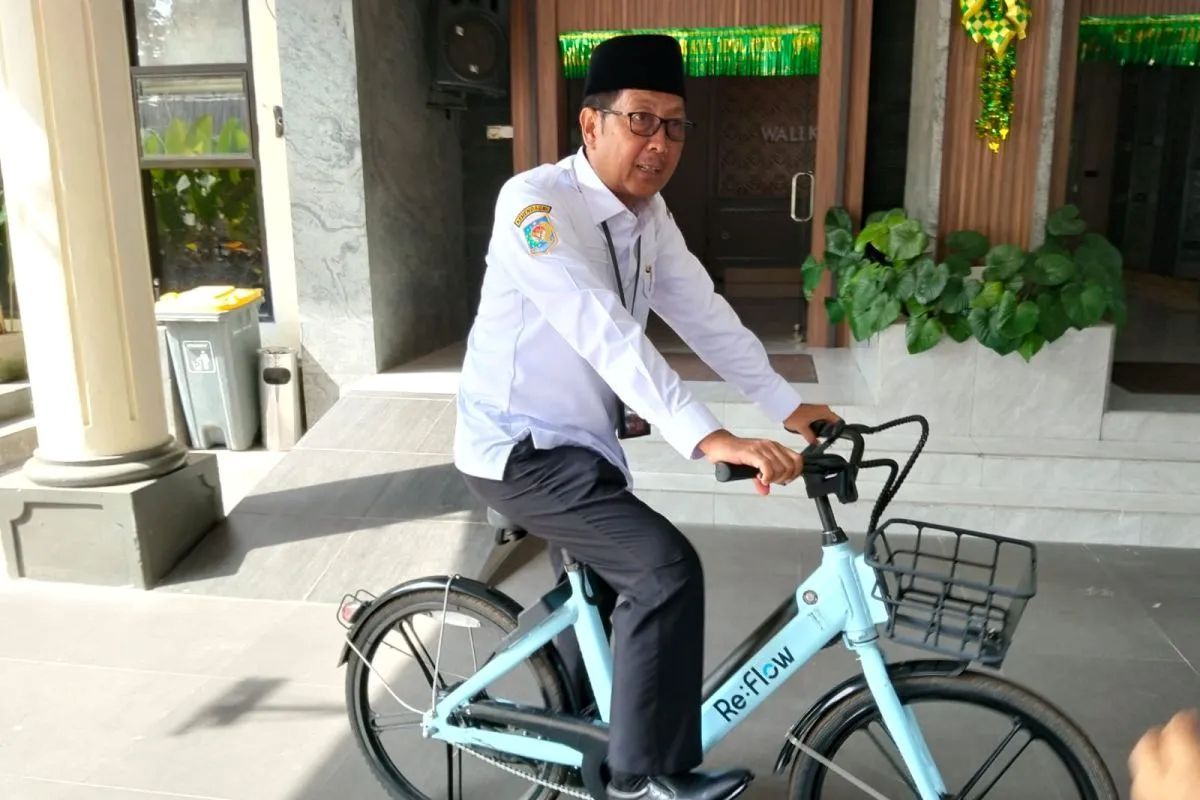
Mataram appears to be choosing a unique middle path: continuing to work from the office, but in a more energy-efficient manner.
Mataram (ANTARA) - The morning rhythm in the city of Mataram, West Nusa Tenggara (NTB), is slowly changing. Streets that are usually filled with the roar of official vehicles are now imagined to be coloured by the creaking pedals of bicycles ridden by officials.
This is not merely a new lifestyle, but a policy born from global pressures felt down to the city level.
Fluctuating world oil prices, the threat of an energy crisis, and discussions of working from home from the central government all converge on one unusual decision: the city government is asking its officials to cycle to the office.
This policy is not just symbolic. It is based on figures and budgetary realities. The Mataram City Government has cut fuel spending for official vehicles by up to 50% in 2026.
This figure is not insignificant, and behind it lie real consequences for how the bureaucracy must adapt. In this context, the bicycle is no longer a recreational tool, but an instrument of public policy.
While the central government prepares flexible work schemes such as work from home or WFH to reduce mobility and energy consumption, Mataram has chosen a different path.
Instead of reducing the physical presence of civil servants, this city is encouraging presence in a more energy-efficient way. This choice is intriguing, while also opening up space for debate on how the bureaucracy should respond to the crisis.
Efficiency and empathy