
Peak Oil Phenomenon in China: Oil Demand Plummets Amid US-Iran War
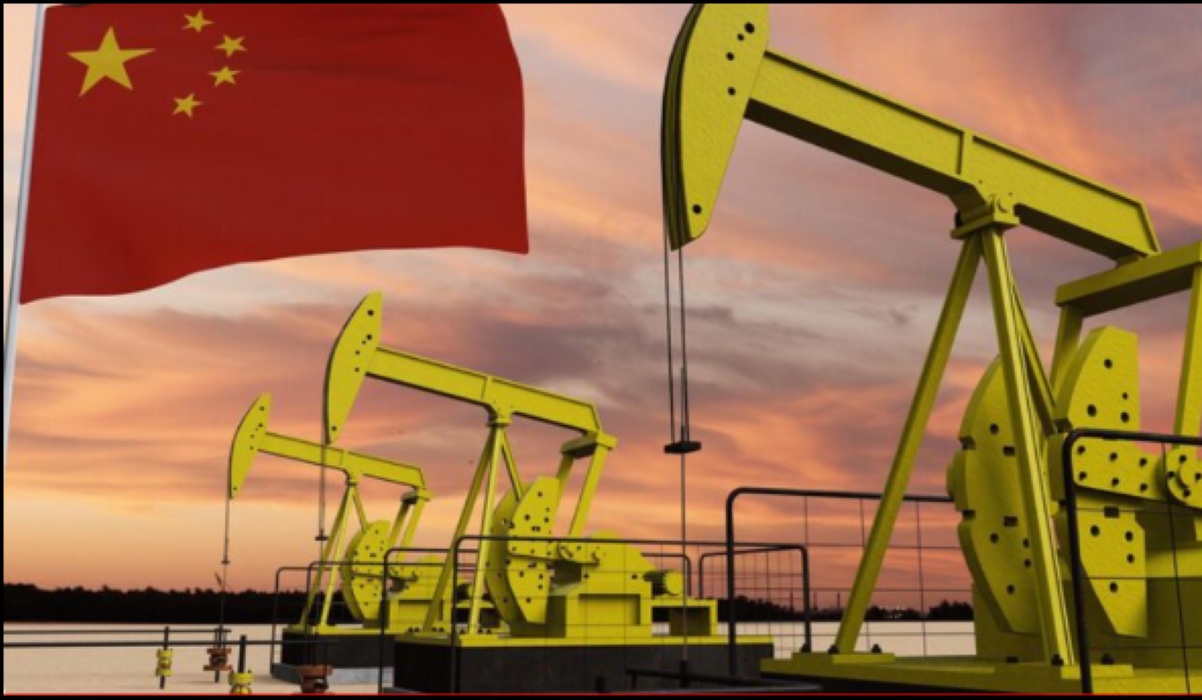
Something unusual is happening in China. Based on the latest data from JPMorgan, oil demand in the Bamboo Curtain country has plummeted by 9% compared to the period before the Iran war broke out. This figure is a significant economic anomaly. For comparison, global oil demand fell by only 2% during the Great Recession of 2008. Although the figure sounds like the start of an economic nightmare, China is in fact far from the brink of collapse. Amid the largest energy supply shock ever and the fact that China imports 70% of its oil needs and is Iran’s main customer, the energy situation there appears stable. The decline in demand did not occur because of government fuel-saving mandates, but rather as a result of drastic changes in consumer behaviour. The Chinese public is starting to abandon gas-guzzling vehicles and switch to electric vehicles (EVs) and public transport. In addition, the trend for international travel is being replaced by closer regional destinations. Data from China’s Ministry of Transport shows that at the start of the Labour Day holiday in May 2026, EV charging usage on motorways surged by 55.6% compared to the previous year. During the holiday period, nearly a quarter of vehicles travelling on China’s motorways were EVs, up 33% from last year. A similar trend is beginning to emerge in Europe. New car registrations reached their highest level in seven years, dominated by hybrid and electric vehicles. This has been driven by increasingly affordable electricity prices thanks to massive investments in wind and solar energy over the past decade. Conversely, in the United States, EV sales have not shown a significant increase after government incentives were removed. The current situation is reminiscent of the 1973 oil crisis. History records that supply shocks often leave a permanent dent in demand. In the 1970s, the world responded by establishing the International Energy Agency (IEA), increasing the number of nuclear power plants, and setting stricter vehicle efficiency standards. The Iran war has gradually reduced global oil demand: down by 2.8 million barrels per day in March, 4.3 million in April, and reaching 5.6 million barrels per day in May 2026. Although some demand may return when the Strait of Hormuz reopens, analysts believe the world may have reached Peak Oil, the point at which dependence on crude oil begins to diminish permanently. Natasha Kaneva, Head of Commodities Strategy at JPMorgan, stated that once consumers switch to EVs, the change tends to be permanent. Supply shocks and wars of the past offer lessons for households and businesses that will not be easily forgotten, added Joe Brusuelas, chief economist at RSM US. Although the manufacturing and plastics industries will still require oil in the short term, the structural shift in the transport sector in China and Europe signals that the dominance of black gold is entering its twilight.