
Peak exodus traffic at Tanjung Priok Terminal predicted in two waves
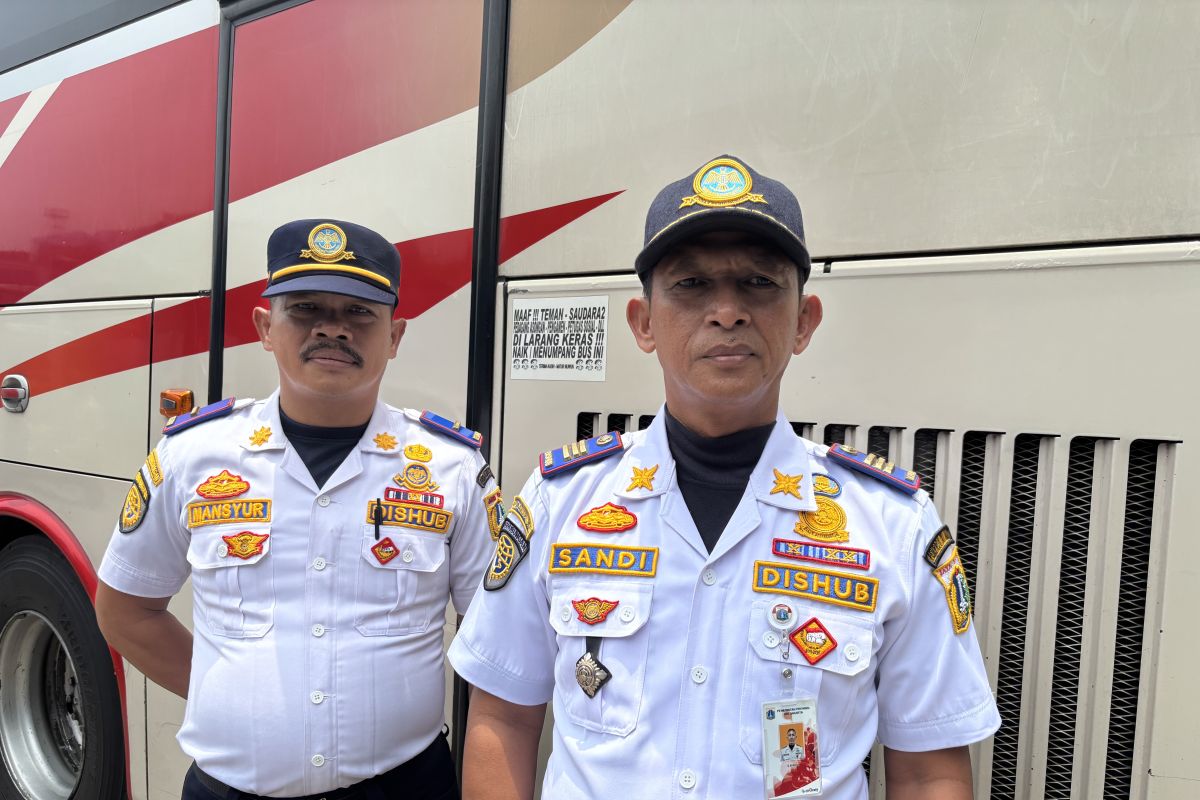
Jakarta — The head of Tanjung Priok Bus Terminal in North Jakarta, Sandi, predicts that the peak exodus traffic for Eid at the Intercity and Inter-provincial Bus Terminal (AKAP) will occur in two waves.
“We predict there will be two waves: the first on 13-14 March 2026 and the second wave on 17-18 March 2026,” Sandi said in Jakarta on Wednesday.
He stated that the first wave corresponds with the start of school holiday breaks, when students take the opportunity to return to their hometowns.
“So the first wave is predicted to peak when students enter their Eid holiday break,” Sandi said.
However, he continued, government institution employees will not yet be on leave at that time and will travel home on Tuesday evening (17/3) after entering their Eid holiday.
“The second exodus wave is predicted to occur on Tuesday evening (17/3) and Wednesday (18/3),” Sandi explained.
He assured that all personnel at Tanjung Priok Terminal are ready to provide services to travellers using the Intercity and Inter-provincial Bus (AKAP) services at the terminal.
According to him, buses from Tanjung Priok Terminal operate routes to West Java, Central Java, and East Java.
At the terminal, joint personnel have been deployed from the police, military, National Narcotics Agency (BNN), Department of Transportation, Motor Vehicle Testing Management Unit (UP-PKB) Cilincing, District Health Service, Civil Police Unit (Satpol PP), and others.
Additionally, Sandi stated that the terminal has already conducted routine inspections of vehicles entering the facility. These inspections are carried out by UP-PKB Cilincing to ensure buses are roadworthy.
Furthermore, bus drivers also undergo health checks to ensure they are fit to carry passengers.
Sandi mentioned that officers test drivers’ urine to ensure they are free from narcotics, and their health is also checked, including blood sugar, cholesterol, and fatigue levels.
“We are cooperating with teams from the BNN and the District Health Service in this regard,” Sandi said.