
Peak Dates for Eid 2026 Exodus and Return Journey Journeys Confirmed
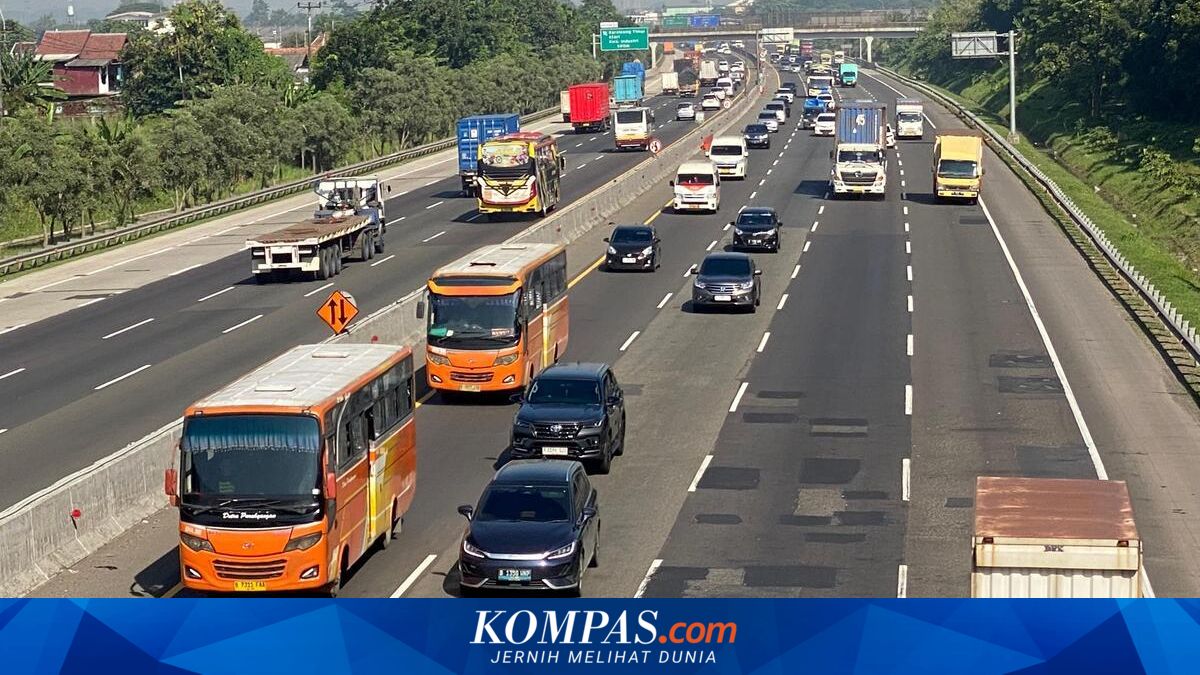
Indonesia’s peak Eid holiday travel periods for 2026 have been predicted by the police, with both the exodus and return journey occurring in two distinct waves.
Public movement is expected to increase significantly during certain days before and after Eid al-Fitr.
According to forecasts by the National Police Traffic Corps (Korlantas Polri), the peak exodus for Eid 2026 is predicted to occur in two waves: 14–15 March 2026 and 18–19 March 2026.
Meanwhile, the peak return journey period for Eid 2026 is estimated to take place on 24–25 March 2026, with a second wave on 28–29 March 2026.
This surge in movement aligns with government projections estimating total public mobility during the Eid period will reach approximately 143.9 million journeys.
Of this total, approximately 52 percent of travellers are expected to use private vehicles.
This high mobility has the potential to cause traffic congestion on several major road sections, particularly toll roads and arterial routes connecting the Greater Jakarta region with various areas across Java and beyond Java.
Several measures being prepared include the implementation of contraflow systems, one-way traffic schemes (both local and national), and delay systems.
These traffic management measures will be implemented dynamically by utilising real-time data-based traffic monitoring technology.
Additionally, during the Ketupat Operation, heavy vehicles such as trucks with three or more axles will also have their operations restricted, except for those carrying essential goods such as food staples, fuel, and disaster relief supplies.
According to Faizal, based on surveys from previous years, most of the public typically begins their exodus journeys at two preferred times: late evening after the tarawih prayer and early morning after the dawn prayer.
“Our people usually travel at these two times most frequently, in the evening after tarawih prayer and very early in the morning after the dawn prayer,” he said.