
Peace as Indonesia's Long-Term Investment
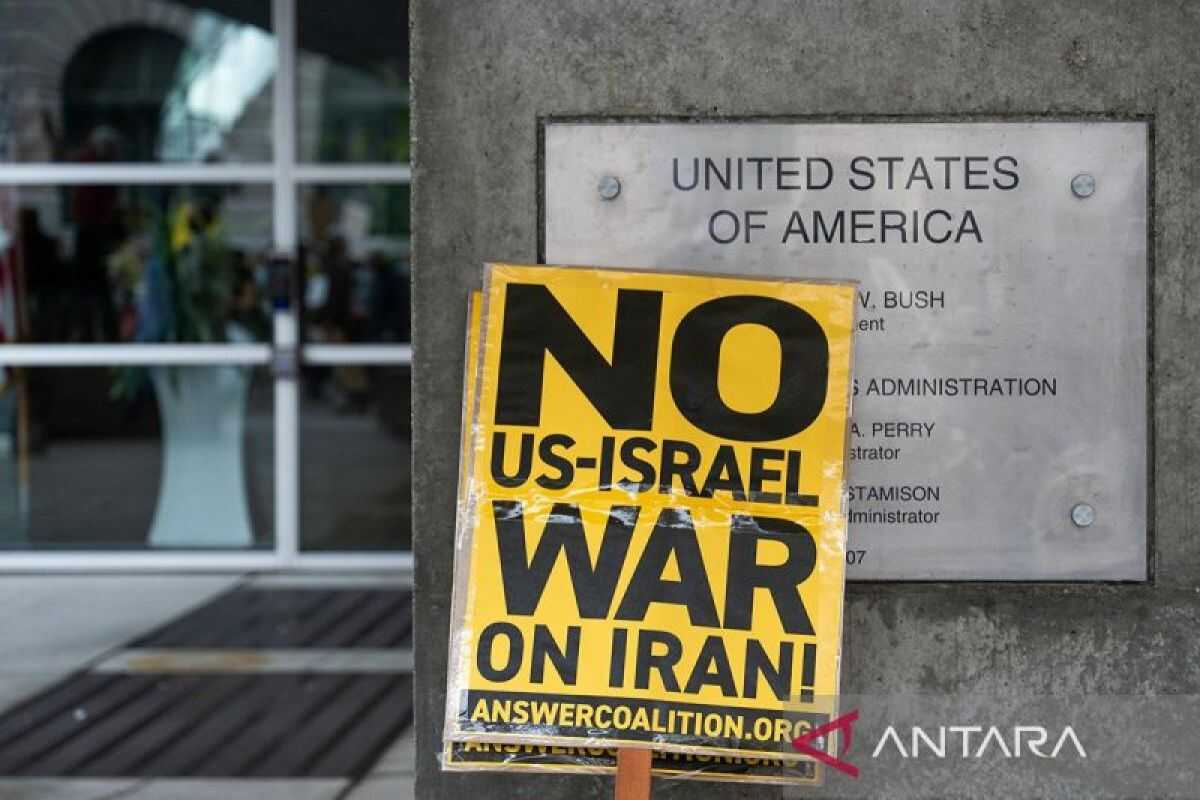
For a nation like Indonesia, the role of diplomacy extends beyond merely responding to existing conflicts; it also endeavours to slow the escalation of tensions through consistent communication, multilateral cooperation, and dialogue-based approaches.
In global politics, peace often serves as the invisible foundation supporting all day-to-day affairs in the domestic sphere. Whilst current Middle Eastern military conflicts seem geographically distant from Indonesia, in the modern interconnected economy, geographical distance no longer means that conflict impacts will be equally distant. Conflict waves can arrive in more subtle forms, such as energy inflation or global market uncertainty.
Indonesia’s call for dialogue and diplomacy regarding current Middle Eastern conflicts is therefore not sudden. Rather, it forms part of a foreign policy tradition that, since the nation’s independence, has positioned peace as a long-term investment, not merely a fleeting moral stance.
In contemporary international relations scholarship, there exists a concept known as the security dilemma. The concept is straightforward: one nation’s efforts to strengthen its security are often interpreted as a threat by others, potentially triggering arms races or escalating tensions. This security dilemma concept proves relevant when examining current great power dynamics. Every increase in military strength is frequently read not merely as self-defence, but as a political signal, potentially driving the world into a spiral of mistrust that proves difficult to reverse.
Indonesia may not possess military or economic power comparable to superpowers. However, in the diplomatic realm, strength is not always measured by weapons or gross domestic product. Sometimes strength lies in the ability to be a trusted party capable of speaking with all sides.
Indonesian diplomatic history has demonstrated this. Since the Bandung Asian-African Conference, Indonesia has positioned itself as a nation promoting dialogue over confrontation.
In the context of current United States-Iran conflict, appeals for mutual restraint may sound quite normative. However, in diplomacy, normative aspects often become the first step before concrete action occurs, particularly in complex conflicts. Indonesia’s offer to facilitate dialogue is therefore sufficiently rational, demonstrating that Indonesia does not wish merely to be an observer but rather an actor attempting to influence the direction of global conversation.
Naturally, every mediation offer must also carry trust from both conflicting parties. Without this, mediation becomes merely a politically appealing statement on paper.
Regarding Middle Eastern conflict, Indonesia actually possesses pragmatic interests. Middle Eastern stability is closely linked to global energy supply. When global oil prices rise, Indonesia feels pressure on energy subsidies. Energy subsidies themselves frequently become a sensitive domestic political issue. When energy prices spike, the government must choose between protecting public purchasing power or controlling fiscal deficits. This illustrates how global peace is actually an inseparable part of domestic economic security.