
PBNU Rejects Proposal for Absolute Ban on Vapes
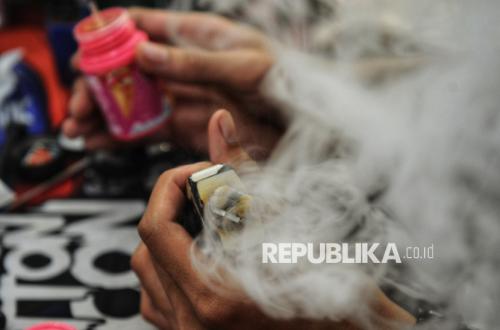
The Central Board of Nahdlatul Ulama (PBNU) is encouraging the government to focus on an education-based approach and strict supervision through regulations. This responds to the proposal from the National Narcotics Agency (BNN) regarding the inclusion of electronic cigarettes or vapes in the revision of Law Number 35 of 2009 on Narcotics.
According to PBNU Chairman Ahmad Fahrur Rozi, if vapes are proven to be a means of drug abuse, then strict restrictions or even a ban could be part of preventive measures. This aligns with the principles of Islamic sharia objectives, particularly regarding the protection of life (hifz al-nafs).
Nevertheless, he firmly stated that a total ban is not necessary as long as vape usage remains within the current legal limits in the country.
“If its usage (vape) is still within legal bounds and not misused, then what is more encouraged is education, supervision, and regulation, not a total ban,” said the figure commonly known as Gus Fahrur when confirmed by the Antara news agency from Jakarta on Thursday (9/4/2026).
The discourse on banning vapes emerged after security forces uncovered the circulation of the narcotic etomidate. This type of narcotic, etomidate, can be added to electronic cigarette use with vapes or pods.
Currently, the substance is already classified as a Schedule II narcotic according to Minister of Health Regulation Number 15 of 2025 on Changes to Narcotic Classification, established on 21 November 2025.
Gus Fahrur assessed that the policies taken by the state must be proportional. The main focus must be directed towards preventing loopholes for misuse. Because, according to him, vapes are currently official and legal products that are traded in Indonesia.
“That means, it should not be absolutely banned outright, but we encourage policies that are proportional and based on public benefit,” said Gus Fahrur.