
PBNU: Misuse of Vapes for Narcotics Can Be Sufficiently Monitored, No Need for Ban
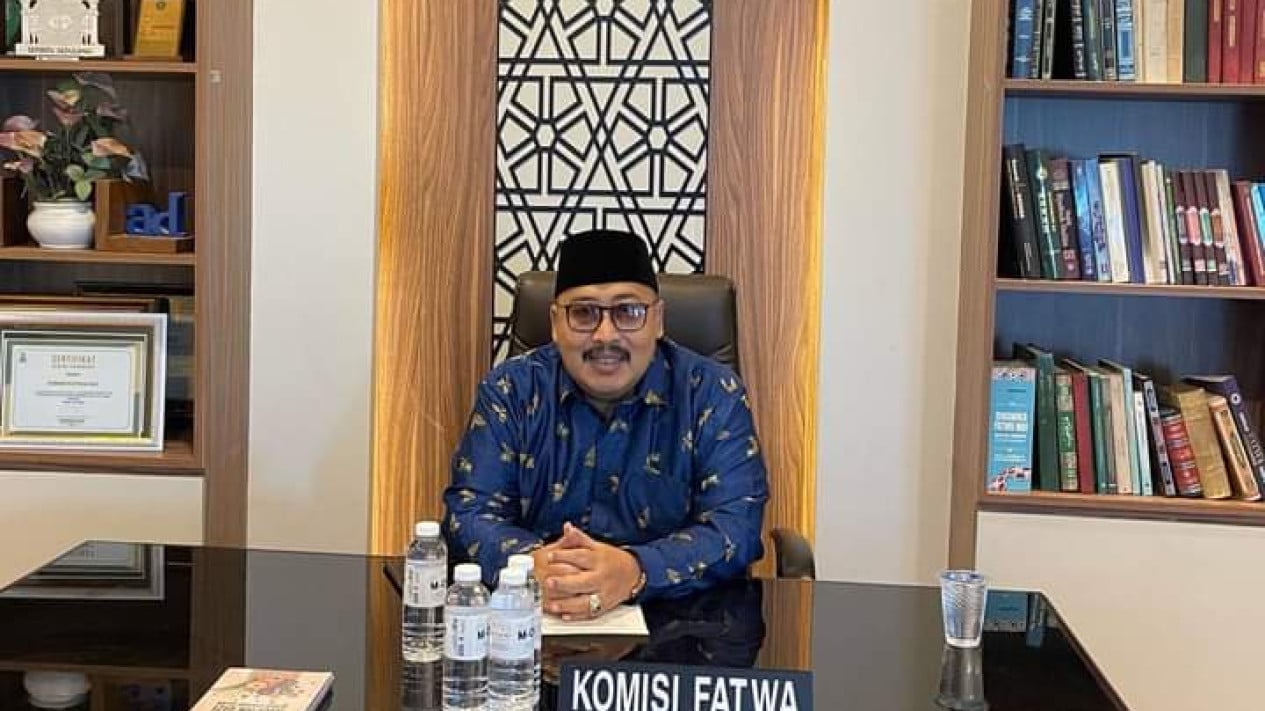
Nahdlatul Ulama’s Central Board (PBNU) is urging the government to prioritise an approach of education and supervision in preventing the misuse of vapes as a medium for distributing narcotics, rather than implementing a ban, amid discussions on the Narcotics and Psychotropics Bill. PBNU Chairman KH Ahmad Fahrur Rozi stated that government policies should be proportional, considering that vapes are legal products sold in Indonesia. According to him, the main focus needs to be on closing loopholes for misuse. “It should not be outright banned, but we encourage policies that are proportional and based on public welfare,” said the man familiarly known as Gus Fahrur to reporters in Jakarta on Wednesday, 8 April 2026. Gus Fahrur affirmed PBNU’s support for efforts to eradicate drugs. However, he assessed that field supervision and education for the younger generation about the dangers of narcotics are more important than a comprehensive ban on vapes. He explained that strict regulations should focus on supervising distribution to prevent vapes from being misused as a medium for narcotics circulation. This approach is seen as aligned with the principle of preserving life (hifz al-nafs) within the framework of societal welfare. In addition, PBNU believes the government can ensure vape use remains within legal bounds through appropriate regulations. Therefore, Gus Fahrur opined that a total ban does not need to be included in the Narcotics Bill. “I think there is no need to ban vapes in the Narcotics Bill, but rather to encourage specific regulations on the modus operandi of misusing vapes for drugs with stricter measures,” he said. Previously, in a Working Meeting with Commission III of the House of Representatives (DPR RI) on Tuesday, 7 April 2026, the Head of the National Narcotics Agency (BNN), Inspector General Suyudi Ario Seto, proposed restrictions on vape circulation related to the potential for misuse in narcotics. PBNU assesses that these differing views need to be bridged with policies that still prioritise societal protection without ignoring the legality of products circulating in the market.