
Patuh 2026 Operation Targets Vehicles with Obscured Number Plates to Evade ETLE
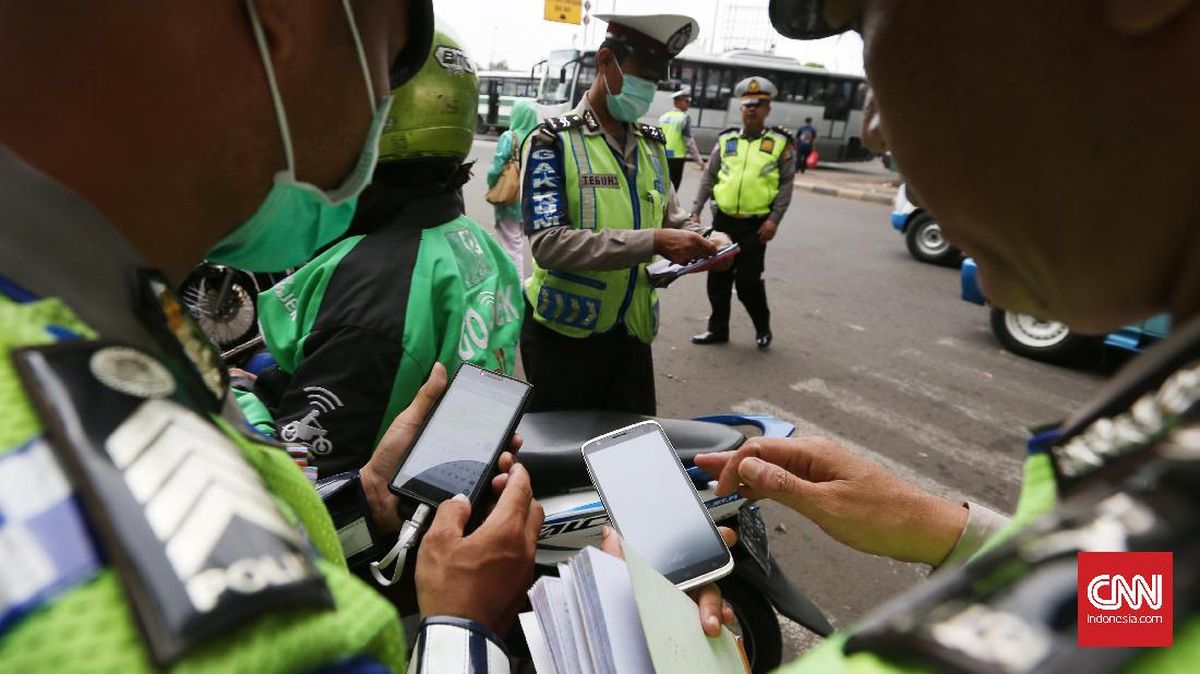
The Indonesian National Police Traffic Corps (Korlantas) will conduct the Patuh 2026 operation for two weeks from 8 to 21 June. Among the key targets will be motor vehicles with obscured number plates intended to evade electronic traffic law enforcement (ETLE). Kabag Ops Korlantas Polri, Commissioner Aries Syahbudin, stated the operation will be conducted simultaneously across all regional police forces, adjusted to local characteristics. Aries explained that this year’s Patuh operation focuses on digital transformation in traffic law enforcement, aiming to enhance public compliance with traffic regulations. “This year’s Patuh operation prioritises digital law enforcement through ETLE, requiring all personnel to maximise their support for implementation,” he said in a review on Tuesday (26 May). He noted that violations involving number plates—including non-installation, covering, modification, or camouflage with stickers or paint—will be prioritised for enforcement. This is because such violations hinder the effectiveness of ETLE’s camera systems in electronic law enforcement. Aries added that these number plate violations specifically obstruct ETLE’s camera reading systems during electronic enforcement. “Other violations, such as driving against traffic flow, will still be enforced using conventional tickets by on-ground officers,” he added. Implementation will see 60% of enforcement via ETLE, 30% through conventional tickets, and 10% via sympathetic warnings. Aries reminded all personnel that the operation aims to improve public compliance with traffic rules through integrated preemptive, preventive, and enforcement measures. “Sympathetic warnings will still be issued in specific situations deemed more effective with a humanistic approach, but their proportion remains limited to 10%,” he said.