
Patriotic Labelling Deemed a Threat to Democracy
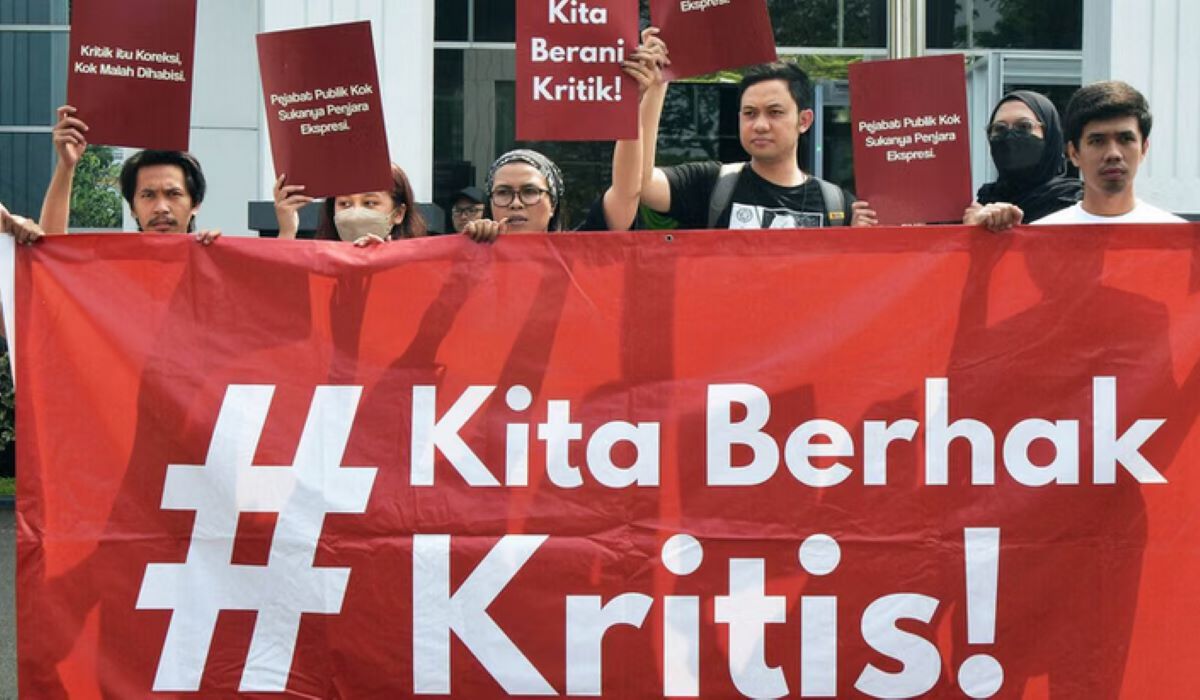
The Public Virtue Research Institute (PVRI) has expressed concern that the narrative of labelling those who criticise the government as “unpatriotic” could deteriorate Indonesia’s democratic climate. The narrative is feared to widen space for intimidation and normalise repression of critical voices in society.
These concerns emerged following President Prabowo Subianto’s discourse on “regulating” observers and critics deemed unpatriotic. The statement was made only hours after KontraS activist Andrie Yunus became a victim of an acid attack by unknown assailants on Friday, 13 March.
PVRI Executive Director Muhammad Naziful Haq emphasised that categorising observers based on levels of patriotism is a dangerous step. The use of the term “regulation” is seen as invoking collective memory of past political violence practices.
“Categorising observers according to measures of patriotism clearly endangers democracy. It is akin to marking people—the submissive are nurtured, the critical are eliminated,” Naziful stated firmly in a written statement on Sunday, 15 March.
PVRI highlighted that the attack on Andrie Yunus adds to a long list of terror against human rights defenders, journalists, and activists. Previously, a series of intimidation tactics ranging from the sending of pig heads and Molotov cocktails to terror in private spaces had targeted those at odds with government policy.
Pattern of Political Thuggery
In agreement with Naziful, PVRI researcher Zikra Wahyudi believed that a statement from the head of state in such a tense situation could provide wider room for political thuggery practices. He questioned the state’s commitment if the perpetrators of the acid attack on Andrie were not soon exposed with accountability.
“With repeated terror and violence against critical voices and human rights fighters, the state has actually failed to guarantee democracy and human rights,” Zikra said.
He added that without transparent law enforcement, terror against freedom of expression will continue to exist in a “grey zone” that appears structured yet lacks clear intellectual actors.
Criticism Is Not Disorder
PVRI Board Chairman Usman Hamid also offered sharp criticism. According to him, criticism should be viewed as a healthy correction mechanism in governance, not as a disturbance that must be regulated.
“Their criticism is viewed by Prabowo as disorder that must be regulated. Yet what is disordered is Prabowo’s thinking orientation along with his policies, statements, and actions,” Usman said.
Usman warned that a political climate at the apex of power demonstrating an anti-criticism stance could hamper law enforcement processes in the police force, particularly in fully investigating actors behind violence against activists.