
PASPI urges BPDP to optimise support for palm oil research
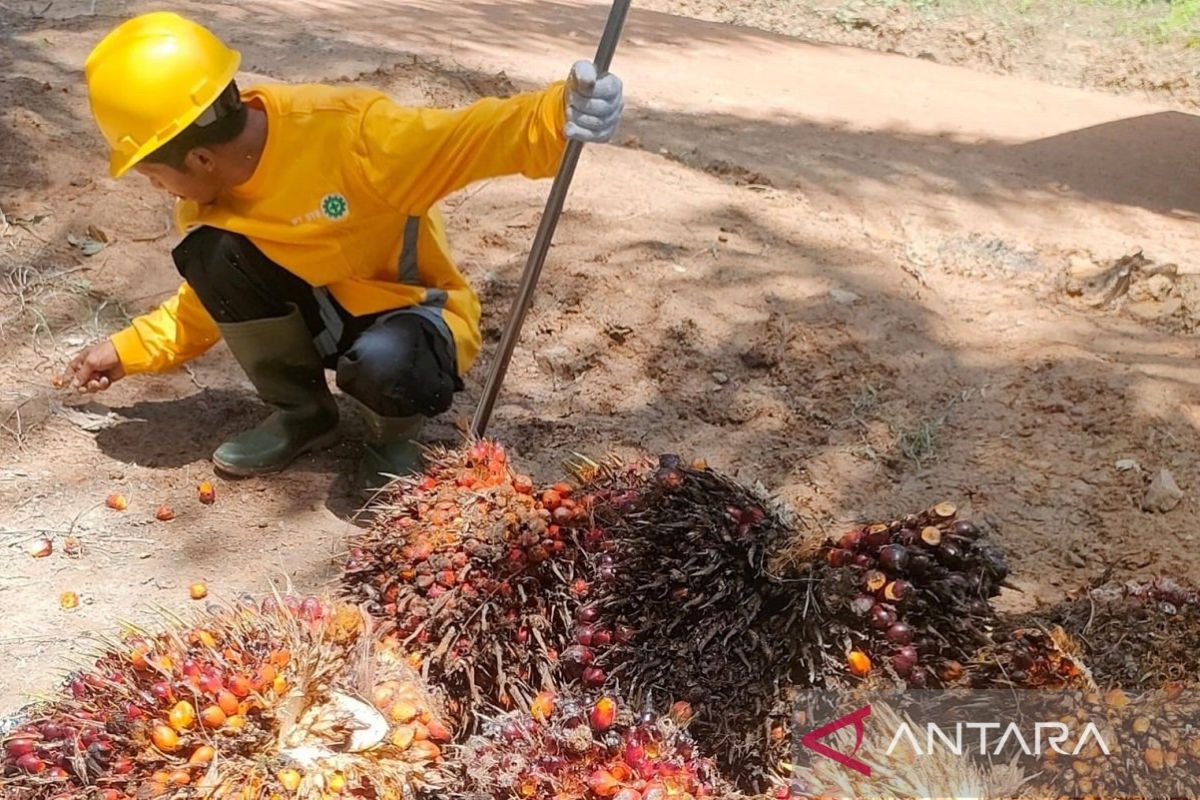
The Plantation Fund Management Agency (BPDP) is expected to continue optimising its support for research activities, including through the implementation of regular comprehensive evaluations to obtain strategic inputs in enhancing the effectiveness of the agency’s role in the field of research.
According to the Executive Director of the Palm Oil Agribusiness Strategic Policy Institute (PASPI), Tungkot Sipayung, BPDP has a strategic role and strong commitment in supporting research activities in the national palm oil sector.
Up to 2025, he continued, BPDP has recorded support for funding around 400 research titles covering various aspects from upstream to downstream of the palm oil industry.
“Research funded by BPDP ranges from upstream to downstream of the palm oil sector. From this perspective, BPDP’s commitment to supporting palm oil research is clearly evident,” he said in his statement in Jakarta on Tuesday.
So far, the research funded by BPDP covers various topics, from the development of new palm-based materials and biomass that generate high added value to studies on plantation environments and certification studies to realise sustainable palm oil and support circular economy or recycling.
However, according to Tungkot, one thing that needs to be evaluated is the limitation of research results that successfully become innovations in business practices in the palm oil industry.
He stated that most palm oil research results still stop at the level of scientific publications and have not progressed to the stage of practical implementation in the industry.
“What the palm oil industry needs is business innovation. It is somewhat ironic; palm oil research is increasing, but palm oil productivity is stagnant or even declining,” he said.
He gave an example that there are many studies related to ganoderma disease that attacks palm oil plants, but to date, there is no national policy that is solution-oriented in tackling this disease in the country.
“This is the future challenge that must be done: how to accelerate the implementation of research results (inventions) into business innovations and policies,” he said.
According to him, there needs to be a paradigm shift in future palm oil industry research from supply-driven to market-driven because industry players very much hope that palm oil research produces innovations that can solve real problems in the field.
Research funded by BPDP is expected to be able to provide solutions and become problem solvers for various issues faced by the palm oil industry today, such as increasing productivity or efficiency, enhancing sustainability aspects and environmental awareness and global issues, as well as encouraging the discovery/innovation of new products or markets.
“As sophisticated as any research is, if it cannot produce solutions for the real problems faced by the palm oil industry, it is not very useful,” said the author of the book “Myths and Facts of the Indonesian Palm Oil Industry.”
He added that research in the palm oil sector needs to pay more attention to negative campaign issues at the global level.
Tungkot said that the challenge of public perception towards the palm oil industry is still not matched by adequate research support.
“If public perception about palm oil gets worse and is left to linger, it will slowly destroy the future of palm oil. In this information era, do not take perceptions lightly,” he said.