
Pasar Jaya Accelerates Market Digitalisation, Targeting 110 Completed This Year
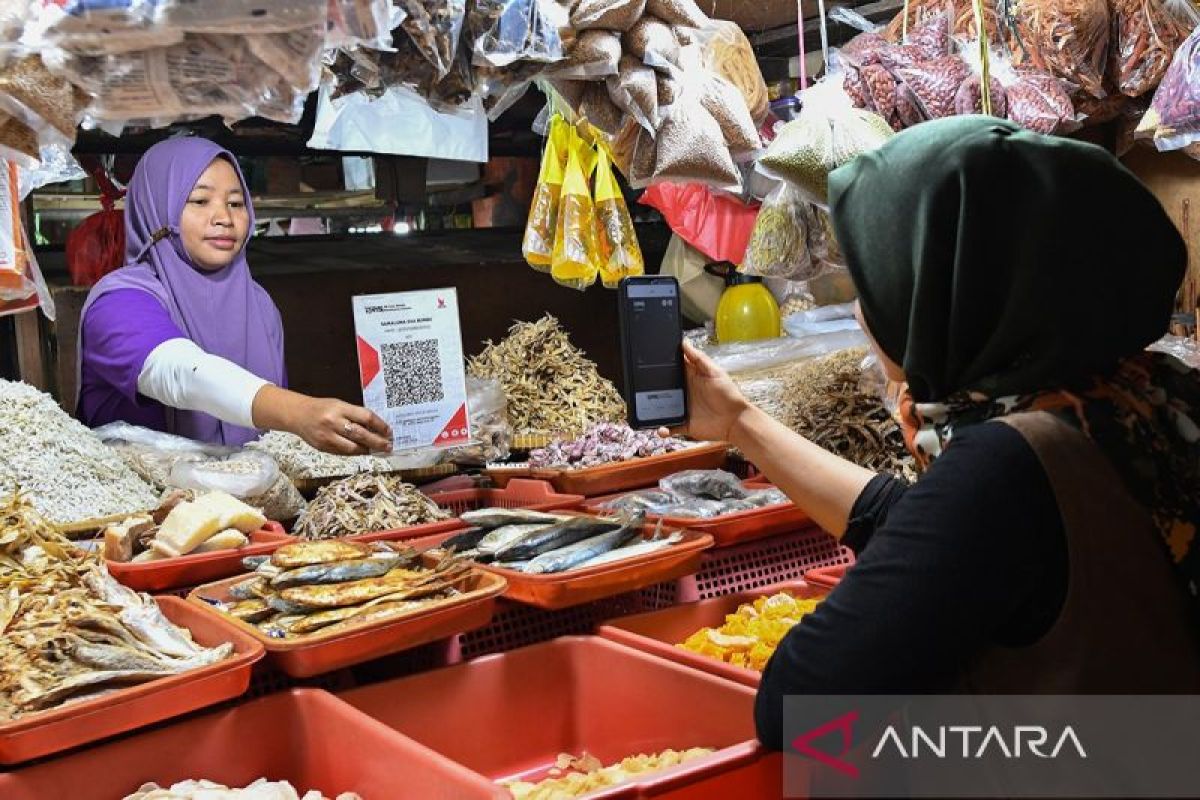
Jakarta (ANTARA) - Perumda Pasar Jaya is continuing to drive the digitalisation of traditional markets in Jakarta, with a target of 110 markets implementing digital systems this year.
“We have already completed 60 markets for digitalisation, and we will add another 50, God willing, by the end of this year. That means around 110 will be finished this year,” said the Director of Perumda Pasar Jaya, Agus Himawan, at Pasar Palmeriam in Matraman, East Jakarta, on Wednesday.
Agus stated that up to the third phase of implementation, 60 markets have been successfully digitalised out of a total of approximately 153 markets managed by Perumda Pasar Jaya.
This digitalisation programme is part of a major transformation driven by the DKI Jakarta Provincial Government to enhance the competitiveness of traditional markets amid the development of the digital economy.
“This is the third phase of market digitalisation. We started in July 2025, then December 2025, and now the third phase. To date, 60 markets out of the 153 we manage have been digitalised,” Agus explained.
Agus mentioned that in 2026, the company targets adding around 50 more markets to the digitalisation programme.
According to Agus, this market digitalisation programme does not only focus on implementing non-cash payment systems but also encompasses strengthening the overall digital financial ecosystem.
This includes the use of QRIS, integration of banking services, and improving financial literacy among traders.
In its implementation, Pasar Jaya is partnering with several strategic partners, such as the OJK Jabodebek, Bank Indonesia Jakarta Representative, banks under the State-Owned Banks Association (Himbara), and Bank DKI. Additionally, support comes from private digital payment platforms.
This cross-institutional collaboration is seen as a key factor in accelerating the digitalisation process on the ground.
Agus emphasised the importance of synergy between regulators, banks, and market managers to ensure the programme runs effectively and on target.
Furthermore, Agus noted that education is an important aspect of this programme, given that some traders still have concerns about using digital systems, particularly regarding transaction security.
However, Agus assured that the response from traders has been quite positive so far. According to him, traders’ trust has increased because the programme is directly supported by official government institutions like Bank Indonesia and OJK, which guarantee system security and strict oversight.
“There are no significant difficulties. This is managed by official institutions like Bank Indonesia and OJK. Praise be to God, it has run smoothly without obstacles so far,” Agus said.
In addition, the presence of the digital system is also seen to provide several benefits for traders, from easier transactions, neater financial recording, to the potential for increased turnover through broader payment access.
Looking ahead, Pasar Jaya plans to continue the programme to the fourth phase, reaching more markets.
Proposals for the implementation of the next phase will be resubmitted to OJK Jabodebek to be realised as soon as possible.
With the ongoing acceleration, Agus said Pasar Jaya is optimistic that all managed markets can be digitalised gradually in the coming years.
This transformation is expected to strengthen the role of traditional markets as the backbone of the people’s economy while promoting financial inclusion in the capital.