
Party Mergers in the Current Era: Political Reality or Mere Discourse?
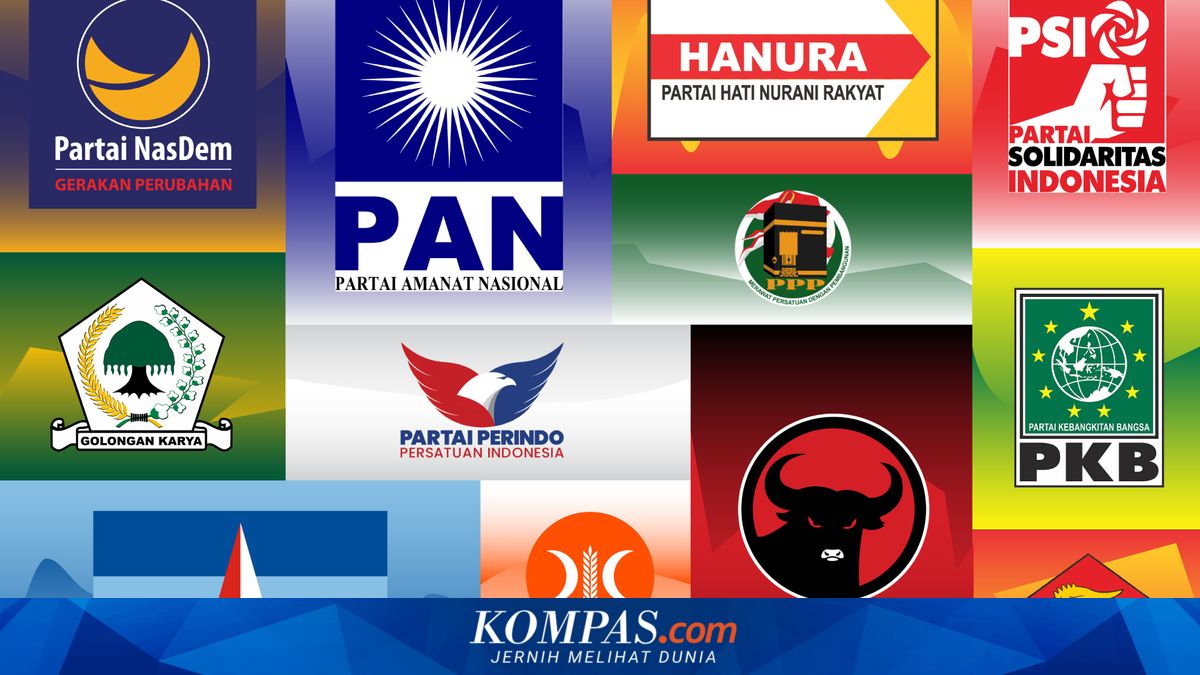
JAKARTA, KOMPAS.com – Lately, the issue of political party mergers or fusions has once again adorned public discourse. One that briefly emerged was the news of a merger between the Gerindra Party and the Nasdem Party, although this issue did not develop further. In fact, in the history of Indonesian politics, political party mergers have genuinely occurred, particularly during the New Order era. In the early 1970s, Indonesia’s political stage was still filled with dozens of parties with diverse ideological backgrounds, mass bases, and interests. In that context, the Suharto government took steps to simplify the party system through merger policies. The year 1973 became a pivotal point. The government encouraged political parties to merge into larger groups within the framework of reorganising the national political system. Islamic-based parties were the first group to be merged. Nahdlatul Ulama, the Indonesian Muslimin Party, the Indonesian Islamic Association Party, and the Islamic Tarbiyah Union were united into one entity called the United Development Party (PPP). On the other hand, nationalist and non-Islamic parties were also merged. The Indonesian National Party, the Indonesian Christian Party, the Catholic Party, the Murba Party, and the Supporters of Indonesian Independence Association were fused into the Indonesian Democratic Party (PDI). Meanwhile, the Functional Groups (Golkar) were not included in the merger scheme and remained as a separate political force. Since then, Indonesia’s party system consisted of three main pillars, namely PPP, PDI, and Golkar, which then became participants in the general elections during the New Order era.