
Partnering with Baznas, BSI Simplifies Hajj Dam Payments via Application
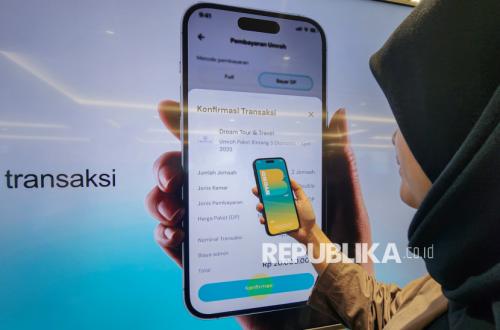
PT Bank Syariah Indonesia Tbk (BSI) and the National Amil Zakat Agency (Baznas) have introduced a payment service for hajj dam and sacrificial animals via the BYOND by BSI app. This digital service is expected to facilitate hajj pilgrims in fulfilling their religious obligations while strengthening the national sharia financial ecosystem.
Through the “Sacrificial Animals and Hajj Dam Payment” feature, the public can now make digital payments within a single app. The process has been made more practical and transparent, including monitoring the implementation of sacrificial animals up to distribution to beneficiaries.
Chair of Baznas RI, Sodik Mudjahid, stated that the collaboration is hoped to expand public participation in sacrificial giving and hajj dam payments. This will also strengthen social concern for the poor and needy.
“This collaboration is expected to strengthen the spirit of sharing and expand benefits for communities in various regions,” Sodik said during the service launch in Jakarta on Monday (11/5/2026).
BSI Deputy Director Bob T Ananta said the digital service also provides convenience for hajj pilgrims and customers, as payments can be made more quickly and securely via the app.
“Customers can make hajj dam and sacrificial payments quickly, practically, and transparently, while monitoring the implementation process,” Bob stated.
BSI records indicate that the service has the potential to be utilised by millions of customers, including this year’s Indonesian hajj pilgrims. Of Indonesia’s total regular hajj quota for 2026 of 203,320 pilgrims, around 164,000 are from the BSI ecosystem.
The BSI and Baznas RI collaboration is also expected to expand the collection of sharia-based social funds, which will be channelled for community welfare programmes, economic empowerment, and strengthening social resilience.