
Parliamentary Pension Allowances Require Overhaul, Legislative Body Says Adjustment Necessary
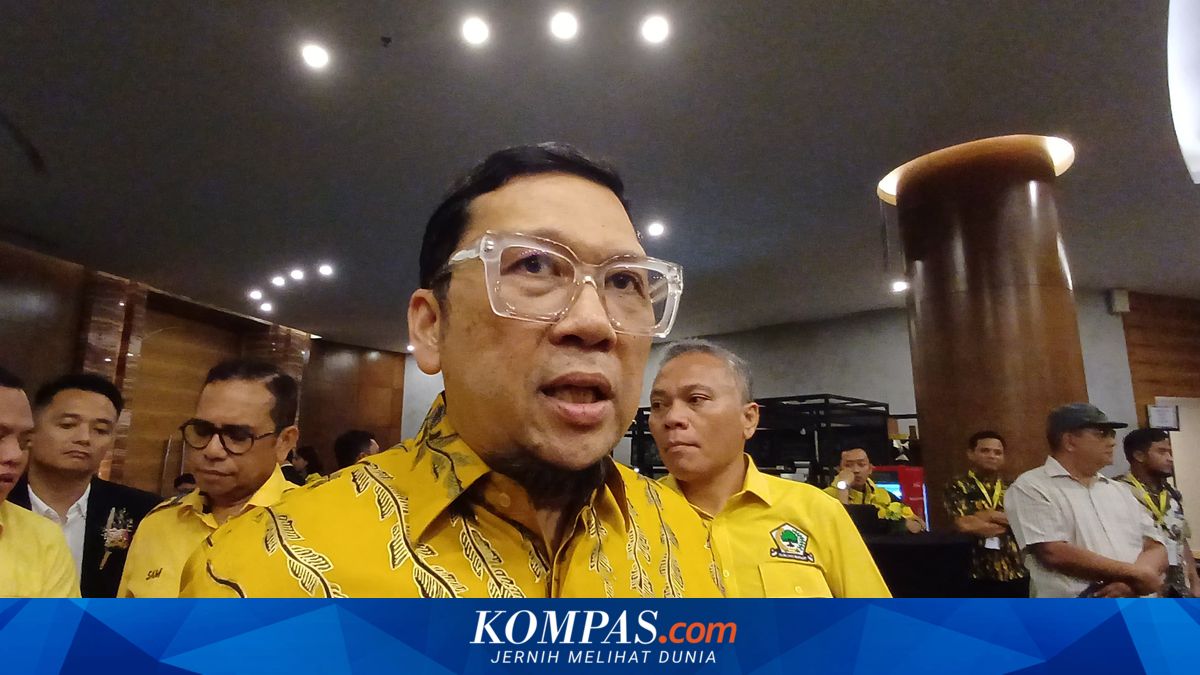
JAKARTA — Ahmad Doli Kurnia, Deputy Chairman of the Parliamentary Legislative Body (Baleg), has stated that the Constitutional Court’s (MK) ruling requiring the overhaul of pension arrangements for members of parliament and high state officials is “excellent.”
Doli believes it is overdue to adjust salaries, allowances, and pension payments for leaders and members of high state institutions. “We must of course respect the Constitutional Court’s ruling, which is final and binding. The ruling is excellent, as it requires adjustment to various changes regarding the structure and institutions of the state, which we have not done thus far,” Doli said when asked to comment on Tuesday, 17 March 2026.
Doli expressed gratitude to the petitioners and the Constitutional Court for producing the ruling. “The amendment to the law will simultaneously regulate pension payments, compensation, and other matters that need to be determined proportionally. The message contained in the ruling is sufficiently clear for us, as legislators, to form the basis for our study in determining policy related to state institutions and their financial rights,” Doli said.
Accordingly, Doli confirmed that Baleg will follow up on the Constitutional Court’s ruling by amending the legislation within two years at the latest.
The Constitutional Court previously ruled that Law No. 12 of 1980 concerning the Financial and Administrative Rights of Leaders and Members of High State Institutions as well as Former Leaders and Former Members of High State Institutions is conditionally unconstitutional. This law governs salaries, allowances, and pension payments for leaders and members of high state institutions.
Through a constitutional review petition (case number 191/PUU-XXIII/2025), the petitioners outlined the constitutional harm they experienced. According to them, particularly in Article 12, paragraph 1 of the law, which states: “Leaders and members of high state institutions who retire honourably from their positions are entitled to receive a pension.”
The petitioners argued that providing lifetime pensions, particularly for parliamentarians, does not serve the collective interests of the public. This pension arrangement was deemed flawed because it conflicts with Article 28D, paragraph 1 of the 1945 Indonesian Constitution.
The petitioners contended that pension payments to members of parliament who serve only five-year terms are inappropriate and divert budget allocation from productive sectors such as education and health. “This harm is both actual and potential, and can be assured to occur in the future because it affects the effectiveness of fund allocation that should meet the basic needs and rights of citizens as guaranteed by the 1945 Indonesian Constitution,” the petitioners wrote.