
Parliamentary Member Warns Government Over Food Security Amid Geopolitical Crisis
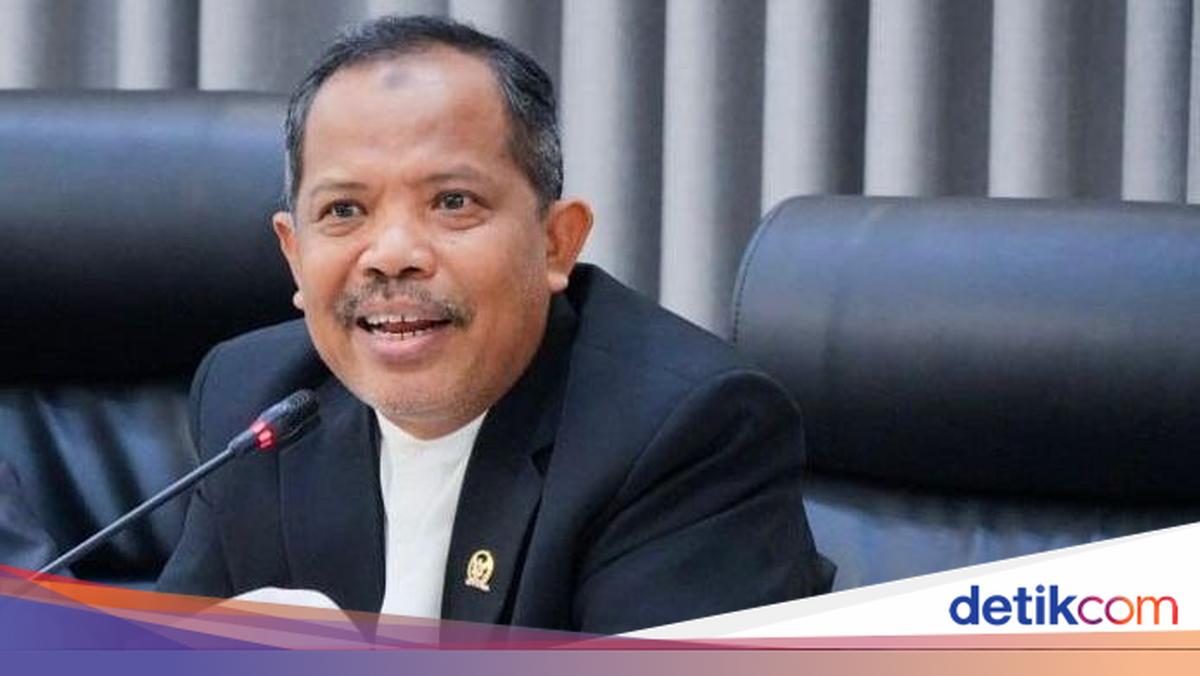
A member of the House of Representatives Commission IV from the PKS faction, Johan Rosihan, has warned the government to monitor the impact of geopolitical conflict in the Middle East on national food security.
Johan highlighted the escalating conflict between Iran and Israel, which also involves the United States. According to him, this situation could drive up global oil prices and directly impact the domestic food sector.
“The impact of the war involving Iran, Israel and America needs to be taken seriously and observed by the government. It will affect global oil prices and this will influence our food distribution costs and production costs,” Johan stated in his remarks, Wednesday (11 March 2026).
He conveyed this during the PKS Legislative Report session ahead of the House of Representatives’ Full Assembly Meeting, held at Building Nusantara II, Parliament Complex, Senayan, Jakarta, Tuesday (10 March).
He cautioned that although the government claims adequate food stock availability during Ramadan, the practical issue is not merely about supply quantity, but also distribution and price stability.
“If this is not anticipated, even if we have plenty of stock—which is what the government claims at the beginning of Ramadan, that we have sufficient supply—the problem is that price spikes occur in the markets. One reason is that our distribution is uneven,” Johan emphasised.
Rising oil prices, he continued, would increase logistics costs and potentially hamper the delivery of food supplies to various regions. If not anticipated early, this condition could worsen price disparities between regions.
“With rising oil prices, this will later impact the disruption of our distribution due to increased distribution costs. This must be anticipated quickly, not handled reactively,” he explained.
Furthermore, Johan stressed the importance of strengthening domestic production and reducing reliance on imports. He believed that food sovereignty policy must be positioned as an integral part of national resilience.
“This is also an alarm for us, so that we remain focused on domestic production and do not depend on imports. Our food sovereignty policy must be part of a national resilience framework,” he concluded.
Commission IV of the House of Representatives, according to Johan, will continue to push for anticipatory measures by the government so that global turbulence does not result in severe pressure on farmers and consumers domestically.