
Parliamentary Member Urges Local Authorities to Maximise Mosques as 'Rest Areas'
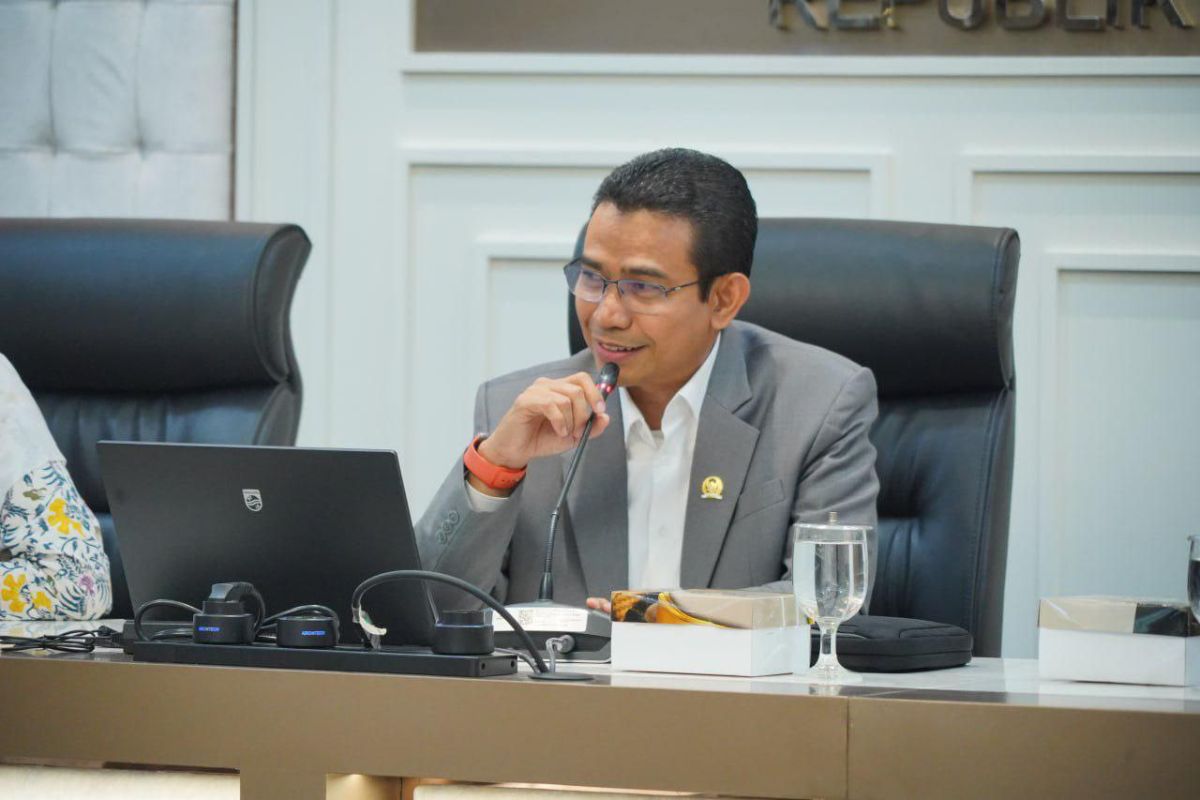
Jakarta (ANTARA) — Member of Commission VII of the Indonesian Parliament Hendry Munief has called on regional governments to maximise the use of mosques located along mudik (homecoming) migration routes as rest areas for returning travellers.
This request aims to accommodate the exceptionally high number of mudik participants, which the government estimates will reach 155 million people this year.
“The number of mudik participants this year is very high. According to information we have obtained, it reaches 155 million people. If this is not managed properly, it will become a problem,” said Hendry in a statement in Jakarta on Tuesday.
According to him, the high number of mudik participants should be accompanied by the government’s readiness to provide services to the public.
One simple service for mudik participants, he said, is to maximise mosques as stopping points for travellers.
He suggested that the government should support the provision of facilities for mudik participants, such as mosque cleanliness, sleeping or rest areas, food provisions, and other amenities.
“Generally, rest areas are tents or similar structures that many mudik participants are reluctant to use. But certainly, mudik participants will definitely seek out mosques, at minimum to perform prayers,” he said.
“However, I think this can also be maximised for other needs,” he added.
Munief noted that using mosques as rest stops is more economical because there is no need to set up tents. It simply requires providing basic facilities, maintaining cleanliness, and offering food for breaking the fast or pre-dawn meals.
According to him, the government has a role to play because mosque administrators and congregants do not have complete facilities. Local communities can also contribute through charitable acts during Ramadan, which can strengthen mutual care amongst residents.
“This is also an act of worship for local mosque congregants to provide service to the public passing through their areas. This spirit of mutual care strengthens a sense of community unity,” he said.
“The government’s role here is as a facilitator,” he concluded.