
Parliamentary Member Supports Revitalisation of STIA LAN to Develop Technology-Literate Civil Servants
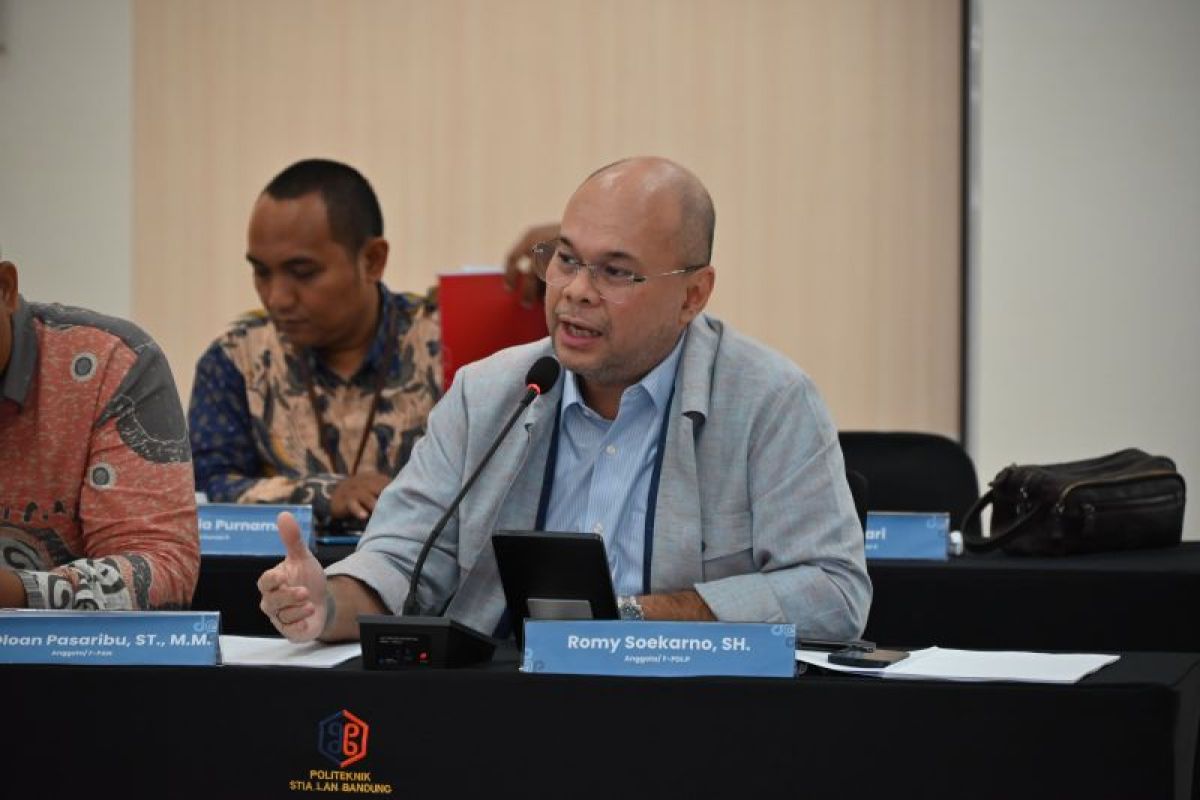
Jakarta - A member of the House of Representatives Commission II, Romy Soekarno, has emphasised the importance of revitalising the digital facilities of the STIA LAN Polytechnic Bandung to develop civil servants who are technology-proficient and adaptive to the digital transformation era.
The oldest civil service education institution, established in 1960, is described as the “crucible” for developing professional and adaptive civil servants. With only 34.23 per cent of civil servants nationally achieving digital literacy, the institution must become a pioneer in teaching factories and laboratories meeting digital government standards (SPBE).
Romy called for the development of co-created curricula based on real-time tracer studies to ensure that 90 per cent of graduates are absorbed into employment within six months, and to conduct at least 30 research conversions annually for the House of Representatives and government bodies.
He also advocated for digital facility revitalisation through the optimisation of self-generated revenue (PNBP) alongside budget allocations from the Ministry of Education to establish a comprehensive digital laboratory based on artificial intelligence and big data, with a target of certifying 80 per cent of lecturers within two years. This would include mandatory modules on anti-corruption, whistleblowing, and political neutrality in accordance with civil service law.
Romy proposed expanding collaborations to include 50 active memoranda of understanding and 15 international partners by 2029. The roadmap for 2026–2029 includes implementing internal digital government systems, achieving 70 per cent blended learning delivery, and integrating artificial intelligence across all study programmes.
Soekarno pledged to champion the allocation of special budget funds for this digital revitalisation initiative to ensure that the STIA LAN Polytechnic becomes a world-class public policy think tank. He concluded: “Digital facility revitalisation at this crucible is a direct investment in creating an effective, adaptive bureaucracy that serves the people.”