
Parliamentary Member: Narrative Separating Free Nutritious Meals from Education is Flawed
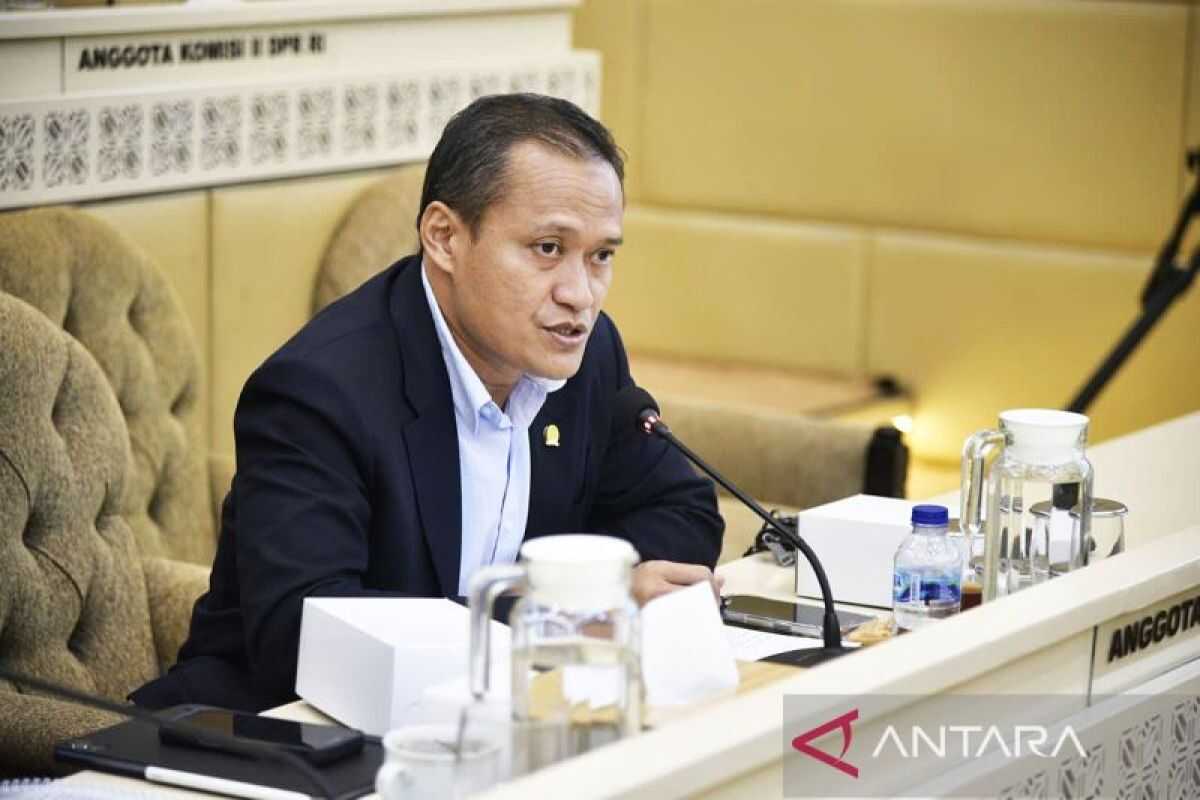
Jakarta — A member of Commission II of the House of Representatives, Azis Subekti, has stated that the narrative separating the Free Nutritious Meals (Makan Bergizi Gratis) programme from children’s education is a flawed narrative, as it pits two interests that are fundamentally aligned on the same trajectory.
This narrative, he said, presents the nation as having to choose between being adequately fed and being intelligent, between body and mind. Yet education itself collapses when children are allowed to learn whilst hungry.
“The recurring erroneous thinking is equating ‘part of the education budget’ with ‘withdrawal from basic educational needs’. This is not merely a technical mistake, but a deliberately oversimplified interpretation,” Azis said in Jakarta on Friday.
He assessed that the controversy surrounding education spending and the nutritious meals programme has been steering the narrative of hundreds of trillions of rupiah into the public sphere as though a seizure of rights, erosion of basic needs, and even betrayal of educational futures were occurring. Yet, he said, the issue is not so straightforward.
“Government budgets are not political pamphlets. They operate through structures, classifications, and logic that are often not conducive to emotion,” he said.
Within the framework of education budgets, he explained that the state does not merely fund classrooms, books, or teacher salaries, but also all the prerequisites enabling children to learn as complete human beings.
“This is where the nutritious meals programme is positioned; not as a replacement, let alone a reduction, but as a supporting measure,” he said.
According to him, the state’s efficiency policies do not mean cutting rights that are effective and reach the community, but rather correcting sub-optimal spending across various budget lines and directing it towards programmes deemed to have direct impact.
When the state budget increases, he said, the constitutional mandate for education allocation of 20 per cent automatically rises as well. Thus, when the need for the nutritious meals programme increases because the number of beneficiaries grows, the budget is allocated within the education framework.
“The question that should be asked is not who is being sacrificed, but rather whether other basic needs remain protected,” he said.