
Parliamentary Member Censures PT Pupuk Indonesia Over Production Planning Transparency
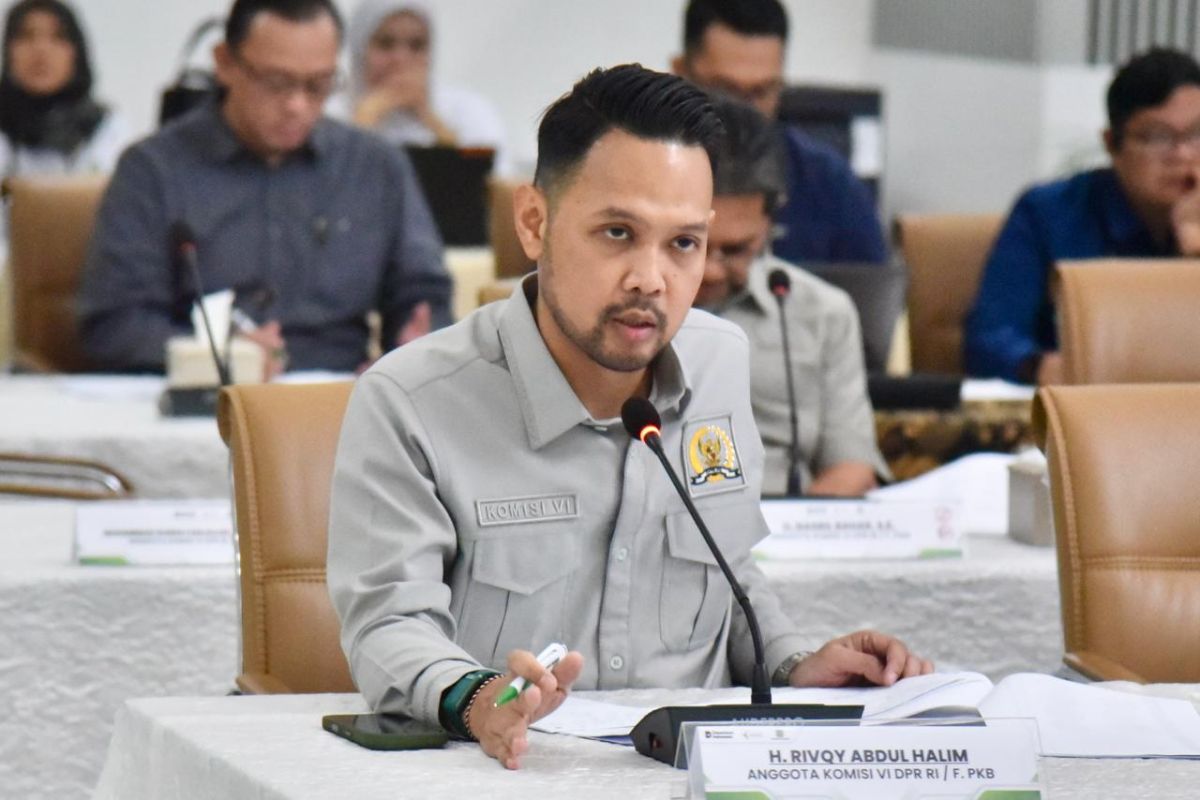
Jakarta – A member of Parliament’s Commission VI, Rivqy Abdul Halim, has rebuked the management of state-owned PT Pupuk Indonesia (Persero) regarding the lack of transparency in national production planning and disparities in natural gas pricing for the fertiliser industry.
The reprimand was delivered during a working visit to Cikampek, West Java, on Thursday, by the Commission VI member who works with the State-Owned Enterprise Regulatory Agency.
Additionally, Rivqy criticised the management of Pupuk Indonesia concerning the development of Pupuk Kujang, which he assessed remains ambiguous. He therefore urged the company’s management to present detailed planning, timelines, and efficiency strategies transparently to Parliament.
“Please provide us with detailed information. Throughout this time, we in Parliament have often only been given superficial information, whilst detailed planning rarely reaches us,” he stated.
Furthermore, he questioned the progress of preparations for a fertiliser project in Papua, which is targeted for completion in 2031. He demanded clear frameworks to ensure that the strategic national project does not merely remain a long-term discussion without measurable progress.
Beyond that, he raised another more critical issue: natural gas pricing. Although the government has set a maximum price ceiling of $6.5 per million metric British thermal units (MMBTU), he noted that the reality on the ground shows marked price disparities across provinces.
“How much is the economically viable gas price that Pupuk Indonesia can absorb? I am deeply regretful that state-owned enterprises should not engage in unfair competition to seek profit at each other’s expense. Please explain this honestly,” he said.
According to him, price transparency is crucial so that Parliament can propose a fair economically viable gas pricing formula.
“The purpose is clear: natural gas pricing should not burden the fertiliser industry for the sake of national food security, and on the other hand should also not disadvantage the gas suppliers,” he added.
He considered this matter an important note for Commission VI to continue overseeing so that synergy among state-owned enterprises truly serves the interests of the people and farmers, rather than merely internal profit competition among state companies.