
Parliamentary Legislative Body Approves Harmonisation of Copyright Bill with Perpetual Royalty Fund Provision
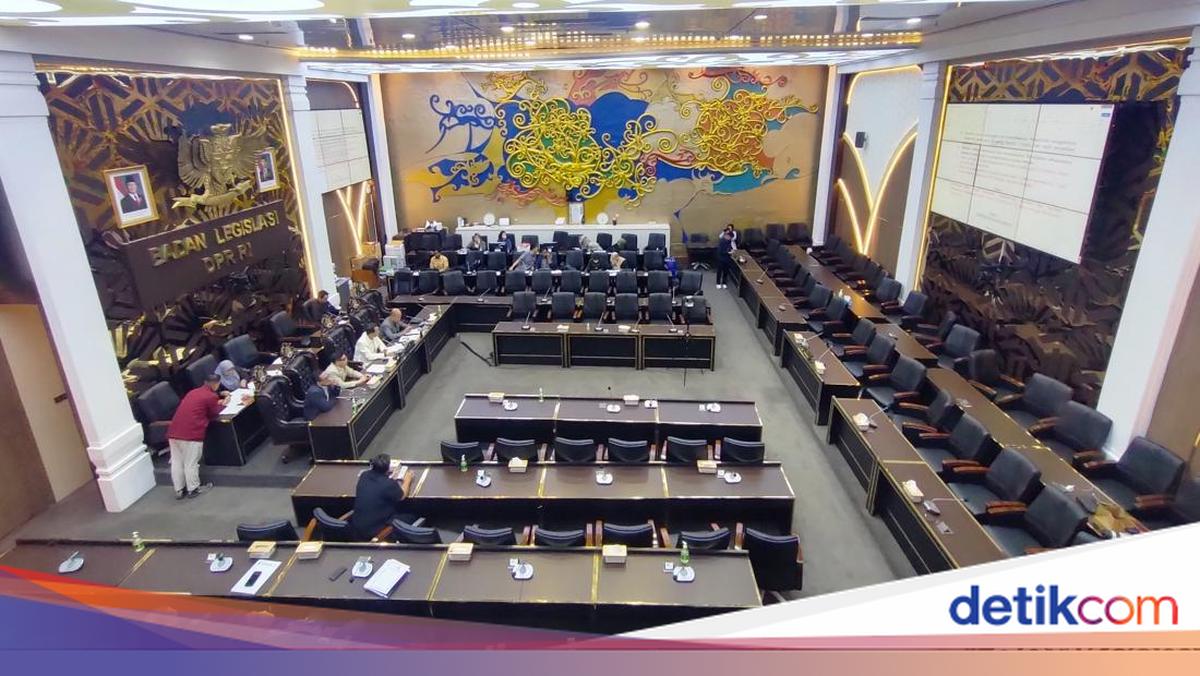
The Parliamentary Legislative Body (Baleg) of the Indonesian House of Representatives has completed the harmonisation of a revised Copyright Bill (RUU). One of its key substantive provisions concerns a perpetual royalty fund.
Martin Manurung, Chair of the Copyright Bill Harmonisation Working Group, outlined several principal elements contained within the Bill. The draft legislation implements Constitutional Court Decision No. 21/PUU-XXIII/2025.
“The principal matters comprising the substance of this Bill align with what has already been decided in the Working Group,” Martin stated during a House session on Wednesday evening (11 March 2026). “Firstly, there is an improvement to legal norms as follow-up to the Constitutional Court decision.”
The Bill addresses legal requirements concerning works created with or without artificial intelligence assistance, adapting to developments in AI technology. It also refines the preamble and improves the definition of works to accommodate legal needs related to AI-generated creations, including criteria, conditions, and ethical standards for artificial intelligence implementation.
Martin noted that the Bill also regulates a perpetual royalty fund. The perpetual royalty fund does not eliminate the rights of creators, copyright holders, and related rights owners to royalties. “The perpetual royalty fund’s benefits are allocated for social activities, creators, copyright holders, related rights owners, capacity building for creators, ecosystem strengthening, and royalty management. The perpetual royalty fund does not eliminate the rights of creators, copyright holders, and related rights owners to royalties,” he explained.
The Bill also improves regulations on Collective Management Institutions, which function to collect, gather, and distribute royalties and manage the economic interests of creators and related rights owners. Collective Management Institutions must cooperate and submit performance and financial reports to the minister through the National Collective Management Commission (KMKN). A coordination management institution for performance organisers has been established by KMKN to improve the effectiveness of royalty collection from performance promoters.
The Bill incorporates journalistic works as part of copyrightable creations and regulates related economic rights. Collective Management Institutions must adapt to the provisions of this law within one year at the latest.
Transition provisions require Collective Management Institutions to comply with the new law’s requirements within one year.
All eight parliamentary factions presented views regarding the Copyright Bill and unanimously agreed to advance it to the next legislative level as a House initiative. House Legislative Body Chair Bob Hasan asked for confirmation on processing both the Domestic Worker Protection Bill and the Copyright Bill harmonisation. All members responded in agreement.