
Parliamentary Legislation Committee Emphasises Urgency of Single Data Bill for National Development
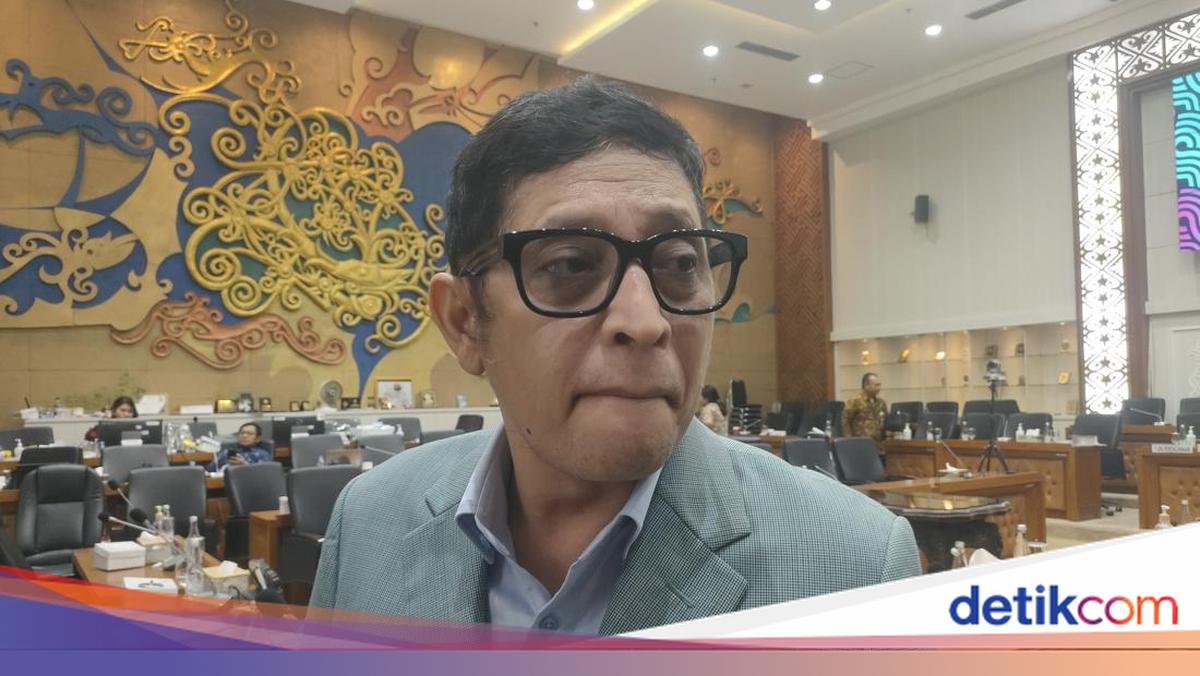
The head of the Parliament’s Legislation Committee (Baleg), Bob Hasan, has explained the rationale behind the drafting of the Single Data Bill. Bob stated that the bill is being prepared to optimise the utilisation of national data.
“Yes, it is a DPR initiative,” Bob told journalists on Friday (13 March 2026).
Bob said the bill aims to activate all data concerning the potential possessed by Indonesia. According to him, such data could subsequently be utilised in the planning of national development.
“The Single Data Indonesia Bill is a means of activating all data about all the potential resources that exist in Indonesia for the sake of planned, structured and effective national development,” he explained.
According to Bob, further formulation and discussion will be conducted within the Baleg DPR. However, he did not clarify when the discussion of the bill would take place.
“Yes, that is correct (it will be discussed in Baleg),” he said.
Previously, Deputy Speaker of the Indonesian Parliament Sufmi Dasco Ahmad stated that the DPR would discuss the Single Data Indonesia Bill this year. Dasco highlighted the disparity in data when disasters struck Aceh, North Sumatra and West Sumatra.
“The Legislation Committee will also conduct public participation for the drafting or harmonisation of the Asset Seizure Law. Next, the Single Data Law will be promptly discussed,” said Dasco at the parliament complex in Senayan, Central Jakarta on Wednesday (11 March).
Dasco alluded to post-disaster experience, when data held by one ministry differed from that of another ministry. He noted that this caused data inconsistencies in the field.
“Yes, we have had considerable experience with the Single Data concept from the recent disaster, for example. Data from one ministry differed from data in other ministries, which then resulted in inconsistencies in the field when subsequently providing assistance to refugees,” said Dasco.