
Parliamentary Commission VIII Warns of Surging Hajj Costs Due to Middle East Tensions
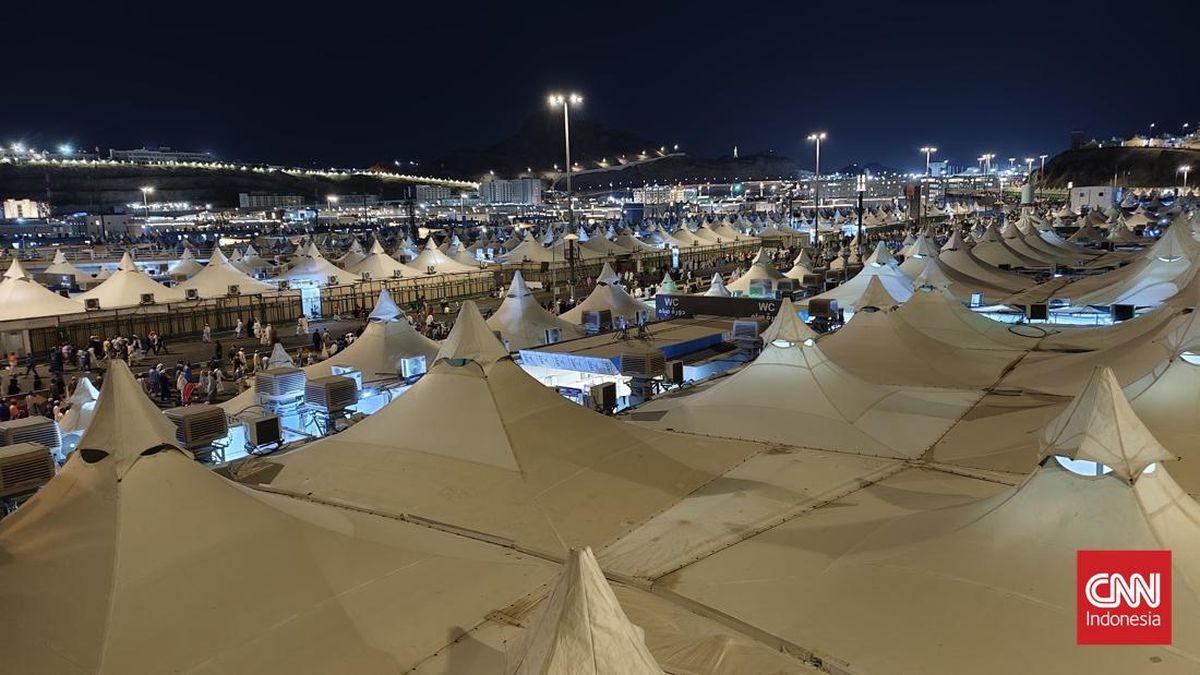
Commission VIII of the Indonesian Parliament has warned of potential sharp increases in hajj pilgrimage costs should the government proceed with departing pilgrims amidst continuing geopolitical tensions resulting from the Iran versus US-Israel conflict.
Marwan Dasopang, chair of Commission VIII, stated bluntly that the Hajj Financial Management Board (BPKH) no longer has budgeted funds to cover rising hajj travel costs. According to him, BPKH finances currently have only 4 trillion rupiah remaining.
“I believe Commission VIII will not hold another special session on this matter, because we also know that BPKH’s financial capacity is exhausted—the money left is only approximately 4 trillion rupiah,” Marwan said at the parliamentary complex on Friday, 13 March.
“Four trillion rupiah for that is already impossible. That is the situation,” he added.
According to Marwan, the government must therefore open the option of allocating funds from the national budget (APBN) to cover the shortfall in 2026 hajj costs. However, the government must coordinate directly with President Prabowo Subianto.
“Could it come from APBN? There are many questions—is it permitted? If there is? Well, all of that must be considered,” he said.
Marwan explained that budget increases are quite possible because flight routes could be diverted to avoid conflict zones. Moreover, financial conditions remain volatile.
“If prices increase fivefold, would they still dare to operate flights? I believe they will certainly lobby the government again,” said Marwan.
“If they manage to convince the government that they are unable to operate flights, where would the additional budget come from?” he added.
On the other hand, Marwan noted, the option to proceed with departing pilgrims also carries the risk of pilgrims potentially being stranded. In certain circumstances, visa approvals could exceed permitted limits.
Therefore, said Marwan, the government must promptly prepare mitigation steps. Conversely, if the government decides to postpone 2026 hajj departures, it must ensure that all payments already made by pilgrims are not forfeited.
“When we have force majeure or disasters, there is coverage. But Saudi Arabia perhaps does not have this. Well, if they don’t have it, it must be lobbied. Those are the steps we are asking the Ministry of Hajj to undertake,” he said.