
Parliamentary Commission VII Member Supports Creative Economy Sector Access to People's Business Credit and Intellectual Property as Collateral
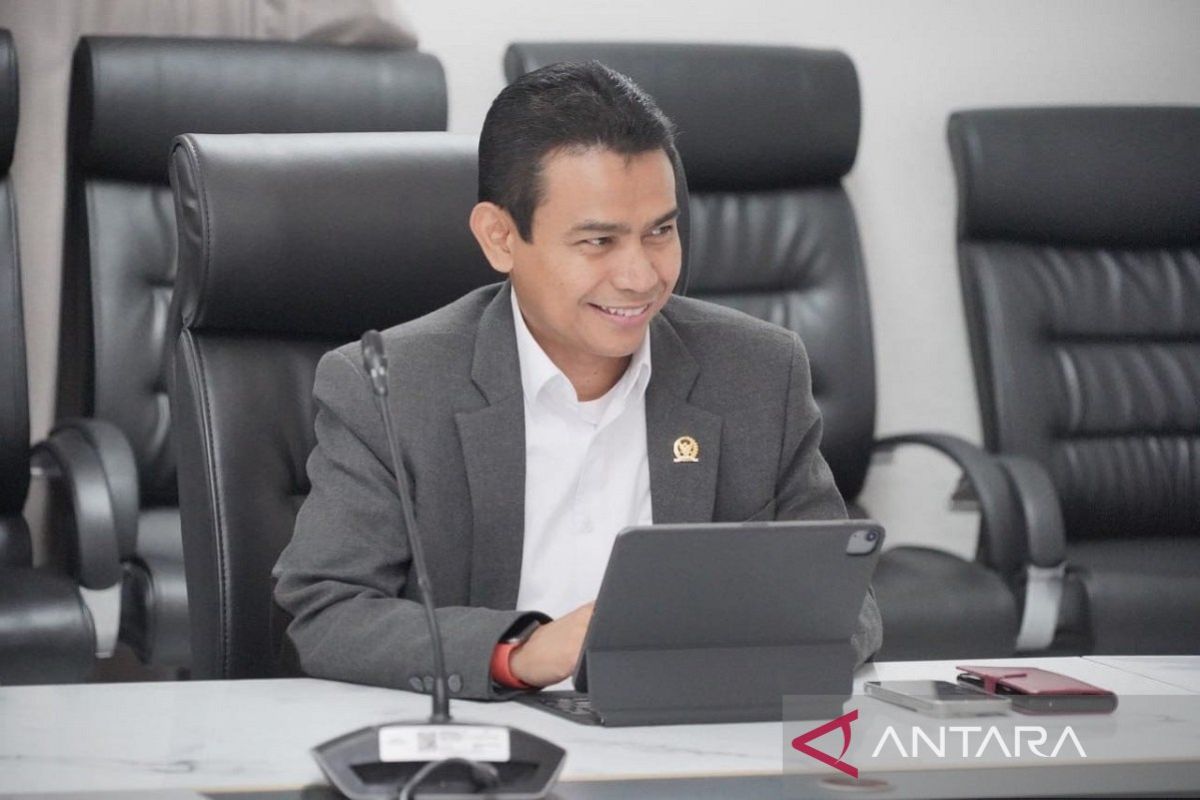
Jakarta — Hendry Munief, a member of Commission VII of the Indonesian House of Representatives, has expressed support for the creative economy sector to access people’s business credit (KUR) funds and to use creative works as collateral or business guarantees.
This statement was made by Hendry in response to the Ministry of Creative Economy’s plan to distribute KUR funds based on intellectual property with a total value reaching Rp10 trillion. He welcomed the government’s initiative.
“This is excellent because it opens opportunities for creative economy practitioners to grow and develop. One of the things we are promoting is how local creative economy practitioners can utilise this to sell local culture and wisdom at the national and global level,” he said in a statement received in Jakarta on Wednesday.
According to him, local creative economy practitioners should be facilitated to obtain collective intellectual property rights as a heritage of Indonesian culture. He stated that local creative economy practitioners have so far operated independently without maximum facilitation.
He gave an example that Riau Province possesses considerable cultural heritage and local wisdom, but creative economy practitioners have not yet been reached in terms of banking access. Local creative economy practitioners in Riau are said to operate mainly out of their love for Malay cultural heritage.
“I have found many creative economy practitioners in Riau, in particular, operating on a self-help basis. Yet the potential of Riau’s creative economy is quite good for development,” said the legislator from the Riau electoral district.
He is convinced that the same situation occurs in other regions. “Therefore, with the Ministry of Creative Economy’s policy, there is certainly an opportunity for local creative economy practitioners to grow and develop,” he said.
On the other hand, he assured the banking sector that creative works are Indonesian cultural wealth worthy of being used as collateral or business guarantees.
In this regard, Hendry hopes that the banking sector will consider providing capital access to creative economy practitioners and be willing to consider intellectual property as primary collateral in loan applications.
He cited that countries such as South Korea, Japan, the United States, and China also apply the same approach.
“It should be noted that according to data, Indonesia ranks third in the world in the creative industry. This is certainly an important asset for us because Indonesia possesses tremendous potential to compete on the international stage,” he concluded.