
Parliament Requests Synchronisation of Social Media Restrictions with Educational Systems
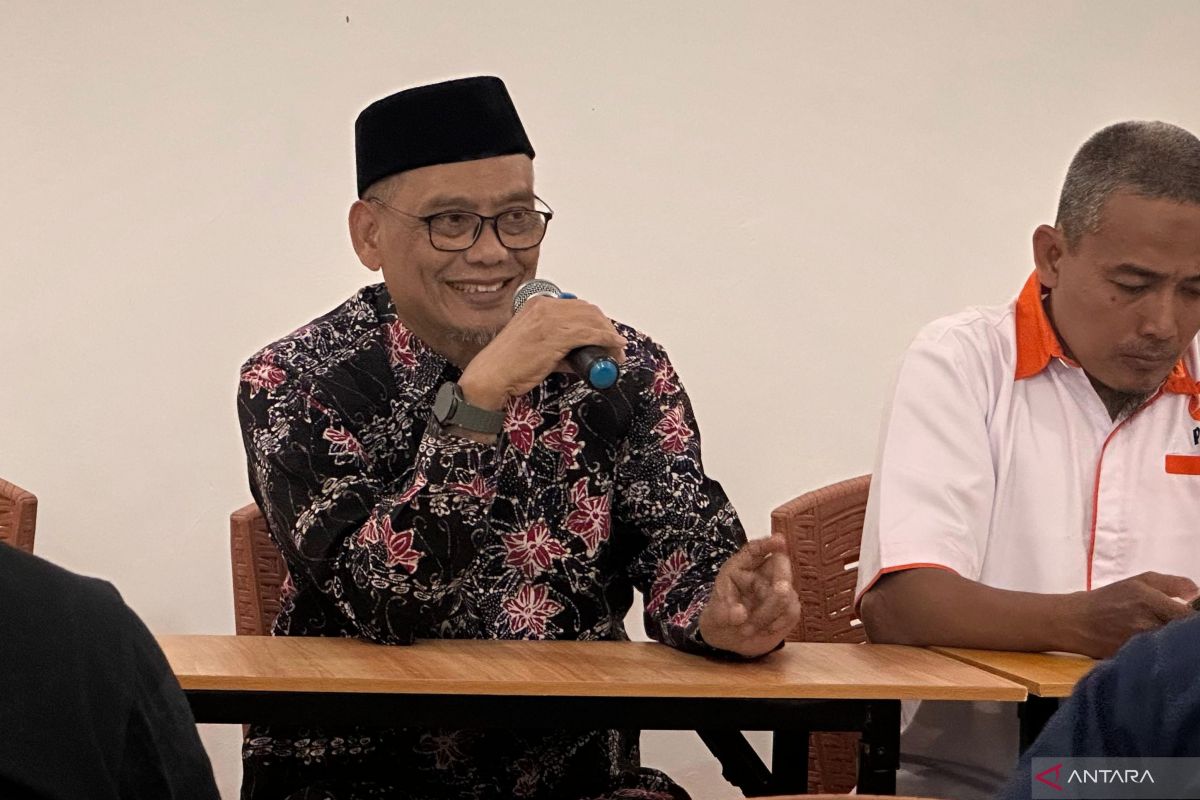
Jakarta — A member of Commission X of the Indonesian House of Representatives, Abdul Fikri Faqih, has called on educational institutions to urgently synchronise policies restricting social media use for children under 16 years of age with learning systems.
“This step is crucial so that the educational ecosystem does not merely become a spectator, but becomes the vanguard in national digital literacy,” said Fikri in Jakarta on Sunday.
According to him, the synchronisation is also important for protecting students from the negative impacts of digital algorithms beginning 28 March 2026.
Fikri emphasised that the restriction on social media use, which implements Government Regulation (PP) No. 17 of 2025 on the Management of Electronic System Implementation in Child Protection (PP TUNAS), requires mental preparation and competence from teaching staff.
“We cannot simply say ‘I am from an older generation’ and think it is no longer their era. That cannot work now because everything must be introduced, must be familiar, and must be adaptable,” he said.
Fikri outlined three key points for synchronisation that the education sector must undertake. First, teachers must serve as digital literacy facilitators, requiring intensive training in digital safety to guide students in distinguishing between positive and negative content.
Second is the revitalisation of school counsellors. According to the legislator from Central Java’s electoral district, the role of guidance and counselling teachers must be expanded to address digital conflict resolution simulation and cyberbullying.
“Third is student transformation, changing student mindsets from being merely passive consumers of algorithms into ethical and productive content creators,” he said.
Fikri viewed the regulation as the state’s presence to balance power against billions of lines of algorithmic code designed to capture children’s attention.
“Now the government is present so that parents no longer fight alone against algorithmic power,” said Fikri, quoting Communications and Digital Minister Meutya Hafid.
He added that schools must become consultation centres for students experiencing threats in cyberspace. Although the policy will close the “front door” to children’s access to risky platforms, Fikri stressed that digital literacy remains the primary weapon.
“How do we make this digital ecosystem safe? The government has already created regulations. Schools and teachers must become literacy facilitators that integrate digital safety in supervision,” he said.