
Parliament Proposes Incentive Scheme for 638,000 Private Madrasah Teachers Who Cannot Become ASN
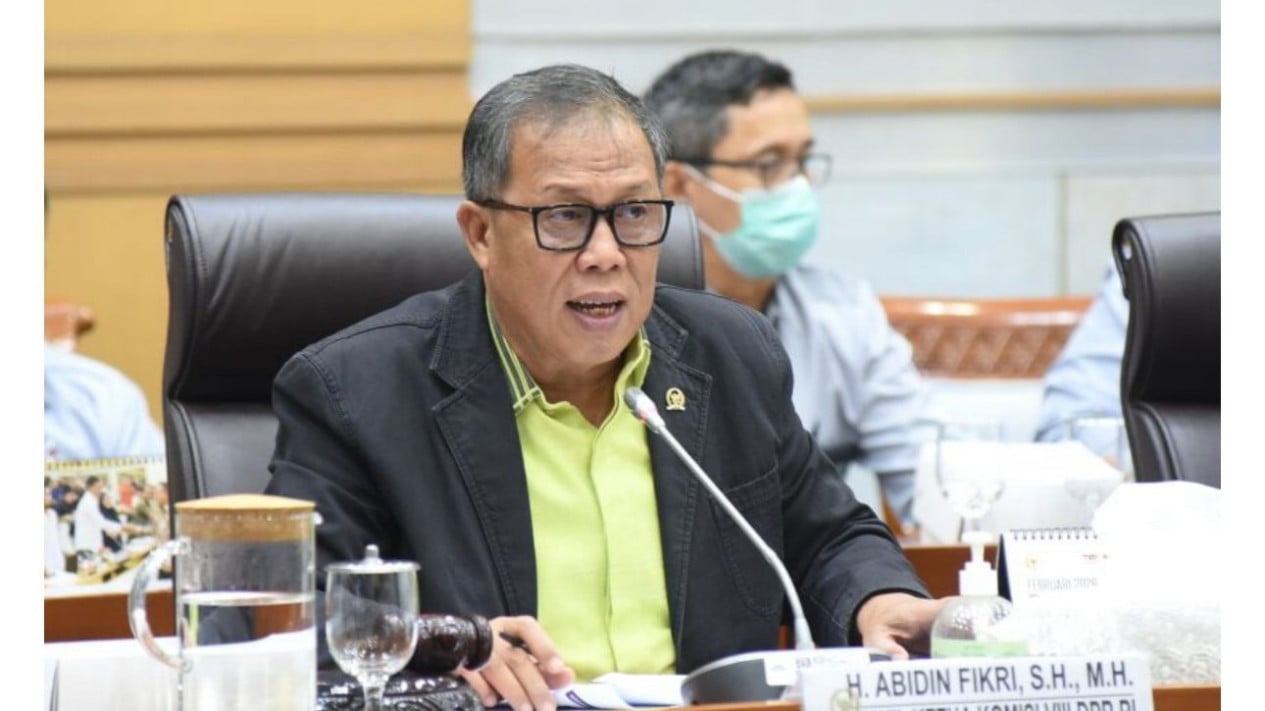
Jakarta, VIVA – Deputy Chairman of DPR RI Commission VIII, Abidin Fikri, has called on the Ministry of Religious Affairs (Kemenag) to promptly seek new breakthroughs to improve the welfare of 638,000 private madrasah teachers who cannot be appointed as Government Employees with Work Agreements (PPPK) or Civil Servants (ASN) due to conflicts with Law No. 20 of 2023 on Civil Servants.
Abidin, also a politician from the Indonesian Democratic Party of Struggle (PDI Perjuangan), explained that based on a joint meeting with the Ministry of Administrative and Bureaucratic Reform (Kemenpan-RB), the appointment of hundreds of thousands of these private madrasah teachers is hindered by ASN regulations because they work in private madrasahs (private schools).
“I believe a breakthrough is needed. The 638,000 madrasah teachers proposed by Kemenag to become PPPK or ASN must not reach a dead end, leaving them in limbo,” Abidin stated at the Parliament Complex in Senayan, Jakarta, on Tuesday, 31 March 2026.
As a solution, Commission VIII of DPR RI proposes that the government provide special incentives for these teachers. One scheme offered is calculating incentives based on the ratio of students across all madrasahs (Ibtidaiyah, Tsanawiyah, and Aliyah) and the teachers’ service tenure.
Abidin provided an illustration: if the ratio is one madrasah teacher to 15 students, the total need for teachers can be calculated from the number of all private madrasah students in Indonesia.
“It’s just a matter of calculating the total number of students in all madrasahs in Indonesia, how many madrasah teachers will receive incentives, and adding incentive values based on their length of service,” he explained.
Furthermore, Abidin emphasised that regarding the amount of incentives, the Director General of Islamic Education at the Ministry of Religious Affairs must carefully calculate the required budget, for example, the incentive amount for each teacher could be Rp 2 million, Rp 3 million, Rp 4 million, or Rp 5 million per month.
This madrasah teacher incentive scheme must meet prerequisites of accurate, valid, and accountable student data from madrasahs across Indonesia, so that the number of teachers receiving incentives can be determined transparently and accountably in every Ibtidaiyah, Tsanawiyah, and Aliyah madrasah throughout Indonesia.
Abidin assured that Commission VIII of DPR RI will continue to conduct oversight and communicate with the Director General of Islamic Education (Pendis) at Kemenag so that the incentive scheme for madrasah teachers can be included in Kemenag’s upcoming annual budget.