
Parliament: Eid Momentum Boosts Regional Economy Through Domestic Tourism
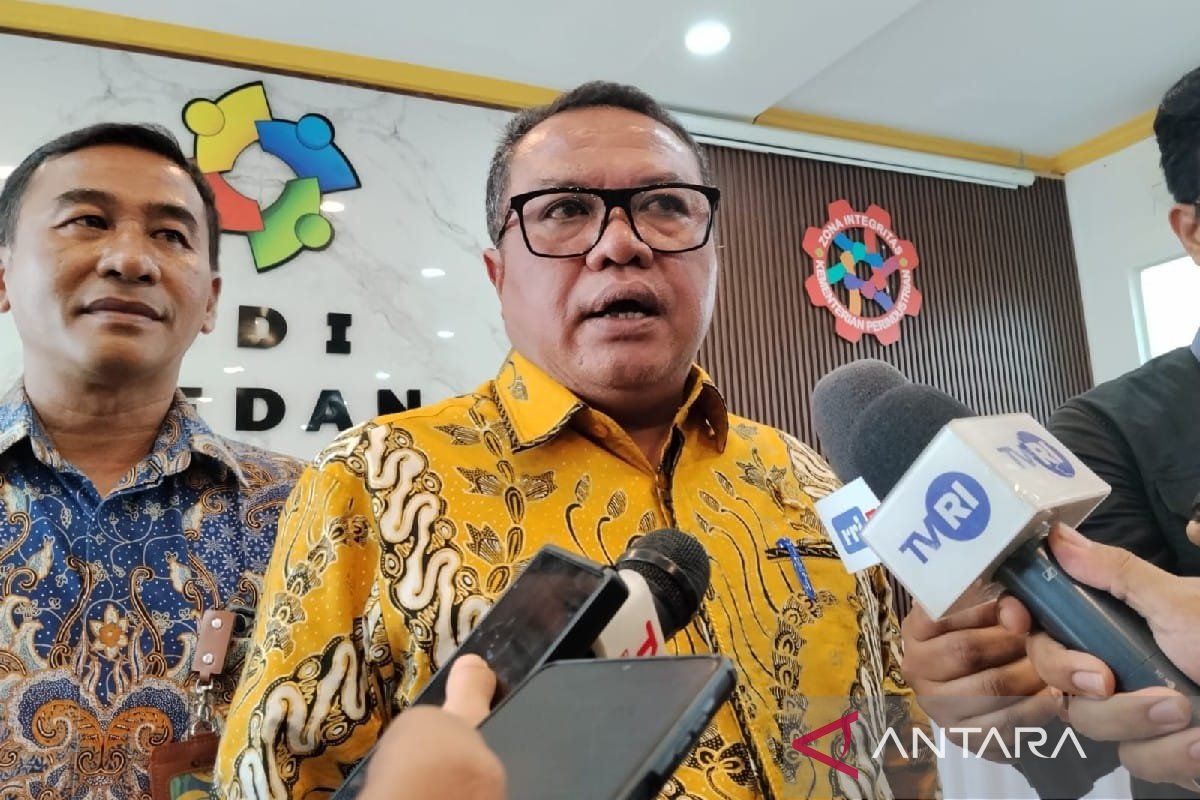
Jakarta (ANTARA) - Deputy Chairman of Commission VII of the House of Representatives Lamhot Sinaga stated that the Eid momentum serves as the primary driver of regional economic circulation, in line with increased societal mobility and a surge in domestic tourists.
He noted that government policies in managing the homecoming flow not only impact travel smoothness but also strengthen economic activities across various sectors.
“This Eid momentum always acts as a lever for the national economy, particularly in the regions. The money circulation that occurs is very significant and provides multiplier effects for society,” said Lamhot in a written statement in Jakarta on Wednesday.
According to him, the homecoming tradition encourages widespread societal consumption, from the transportation sector, culinary, to micro, small, and medium enterprises (MSMEs).
In recent years, the money circulation during the Eid period is estimated to reach hundreds of trillions of rupiah.
Lamhot said this situation presents a strategic opportunity to strengthen the regional economy, particularly through bolstering the real sector that directly touches society.
“MSMEs must be able to capture this opportunity by improving product and service quality. The government also needs to ensure that financing and distribution support runs optimally,” he stated.
In addition to MSMEs, the tourism sector is also projected to experience significant growth during the Eid holiday. The high societal mobility is seen to impact increased hotel occupancy as well as visits to local tourist destinations.
“Hotel occupancy and visits to tourist destinations are expected to rise sharply. This presents a great opportunity for regions to drive the local economy,” he said.
Lamhot mentioned that regions with flagship destinations, whether natural, cultural, or culinary tourism, have the potential to experience a significant surge in visits compared to ordinary days.
To maximise this potential, he emphasised the importance of infrastructure readiness and service quality in tourist destination areas, including aspects of accessibility, cleanliness, and security.
Lamhot highlighted the need for synergy between the central and regional governments in managing the surge in economic activities during Eid so that the benefits can be felt evenly.
According to him, traffic engineering policies and improvements in transportation services implemented by the government also contribute to smoothing economic distribution during the homecoming period.
“The smoother the societal mobility, the greater the potential for money circulation that occurs,” he stated.
He also reminded industry players and tourism stakeholders to maintain service standards amid rising demand to create positive experiences for domestic tourists.
Lamhot hopes that the Eid momentum can be utilised as a strategic instrument to drive economic equity in the regions.
“If managed well, the Eid homecoming is not just an annual tradition, but also a strategic instrument for economic equity,” he said.