
Parliament calls work-from-home policy a strategic step for national energy efficiency
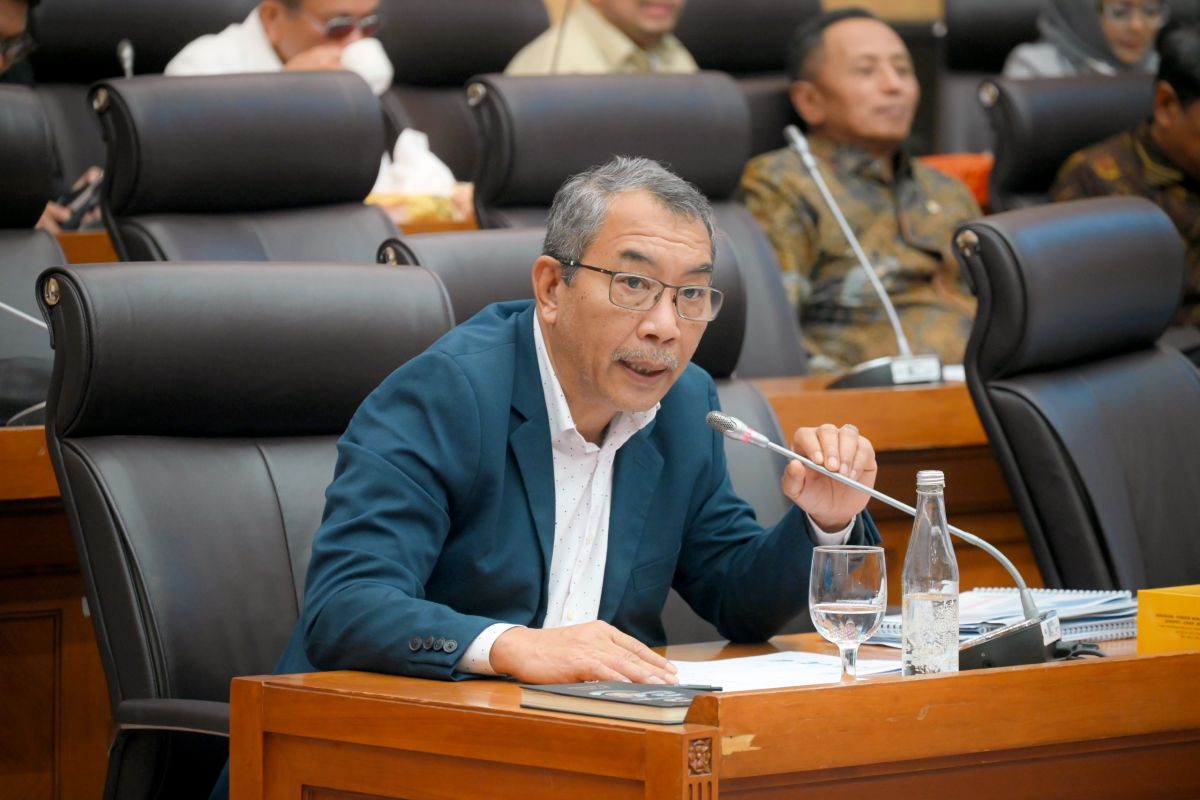
Jakarta — A member of Parliament’s Commission XII, Alfons Manibui, has described the work-from-home (WFH) policy being examined by the government as a strategic step for national energy efficiency.
He stated that Energy and Mineral Resources Minister Bahlil Lahadalia is currently reviewing the policy as a means of maintaining energy resilience amid global geopolitical dynamics and international oil price pressures exceeding $100 per barrel.
“This measure demonstrates that the government is not only focused on strengthening energy supply, but is also beginning to strengthen energy consumption management in a more efficient and measurable manner,” Alfons said.
He commended the strategic approach of the Energy Minister in examining various energy efficiency options, including the WFH proposal.
“This step is part of efforts to maintain national energy security amid global uncertainty,” he stated.
He assessed the government’s approach as part of a comprehensive strategy to maintain national energy stability, particularly in anticipating potential increases in fuel consumption amid global pressures.
“This measure is important as a form of risk mitigation whilst demonstrating that the government is beginning to strengthen demand-side energy management, not only on the supply side,” he explained.
Alfons also urged that such policy reviews be conducted comprehensively so that their implementation can run optimally and adaptively whilst maintaining national productivity.
Additionally, he believed that energy efficiency efforts of this kind could become part of a transformation towards a more sustainable energy system, including encouraging gradual changes in public energy consumption behaviour.
As a representative from West Papua, Alfons emphasised the importance of every national policy considering aspects of fairness and equitable distribution, particularly for regions still requiring stronger energy access and infrastructure.
“We hope that energy efficiency policies remain mindful of regional conditions, so that all areas, including West Papua, continue to receive attention in national energy sector development,” he said.
Earlier, Energy and Mineral Resources Minister Bahlil Lahadalia stated that the government is examining several measures to reduce fuel consumption, including the option of implementing work-from-home arrangements.
According to Bahlil, the proposal is still under review, but does not preclude its implementation.
“Indeed, there are several steps that will be taken, but they are under review, we are still examining whether we need WFH. However, in my view, all possibilities could occur. What matters is that fuel savings are also important,” he said at the Energy Ministry offices in Jakarta on Tuesday (17 March).
Several other countries have announced energy conservation policies in response to global uncertainty.
Thailand, for example, has requested civil servants to work from home to reduce electricity and fuel consumption, limit the use of lifts and escalators, and set air-conditioning temperatures between 26–27 degrees Celsius.
The Philippines has implemented a four-day working week system in the public sector, whilst Pakistan is preparing an energy conservation plan through distance learning and work-from-home arrangements.