
Parliament Begins Deliberation on International Civil Law Bill, Expert Raises Concert Issues
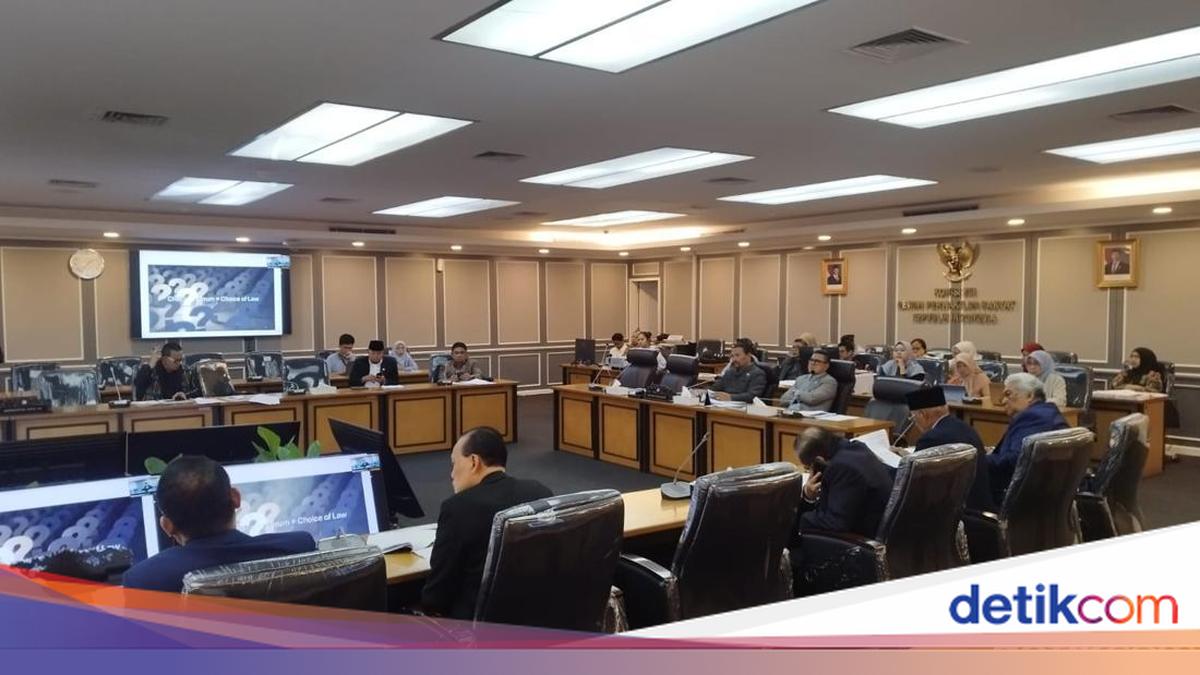
Indonesia’s House of Representatives (DPR) Special Committee has begun deliberating on a draft International Civil Law bill (RUU HPI). International law expert Yu Un Oppusunggu presented several issues that ought to be regulated in the proposed legislation.
A Public Hearing Session (RDPU) with legal experts was held in Commission XIII’s meeting room at the DPR, Thursday, 12 March 2026. The bill is expected to serve as a legal framework protecting citizens regardless of geographical boundaries.
“We need to change the status quo—this status must change not only to address the legal needs of Indonesian citizens, foreign nationals residing in Indonesia, but also to demonstrate the presence of the Republic of Indonesia in accordance with the Constitutional mandate,” Yu Un stated during the session at DPR, Senayan, Central Jakarta, Thursday.
Yu Un provided several examples of cases that should be covered under the International Civil Law bill. These include marriages between two Indonesian citizens abroad and foreign singers performing concerts in Indonesia.
“For example, this represents just a small portion of international civil law issues—all civil law matters containing foreign elements constitute international civil law,” explained the UI law expert.
“So it can regulate marriages between two Indonesian citizens abroad, it can regulate inheritance from individuals who are scattered across various countries, it can regulate BTS concerts, Coldplay performances in Jakarta, or MotoGP racing in Mandalika,” he added.
He also highlighted issues involving foreign actors or actresses starring in commercial content production in Indonesia. According to him, such matters must also be addressed in the HPI bill.
“Then there are Korean celebrities becoming advertising figures for Indonesian products, or companies like Eiger, a domestic enterprise that opens a store at the base of Mount Everest, though I forget the exact location—somewhere in Europe or Nepal. So all of these are International Civil Law issues,” he concluded.