
Parliament Approves OJK Commissioners: Misbakhun Calls for Progressive Oversight
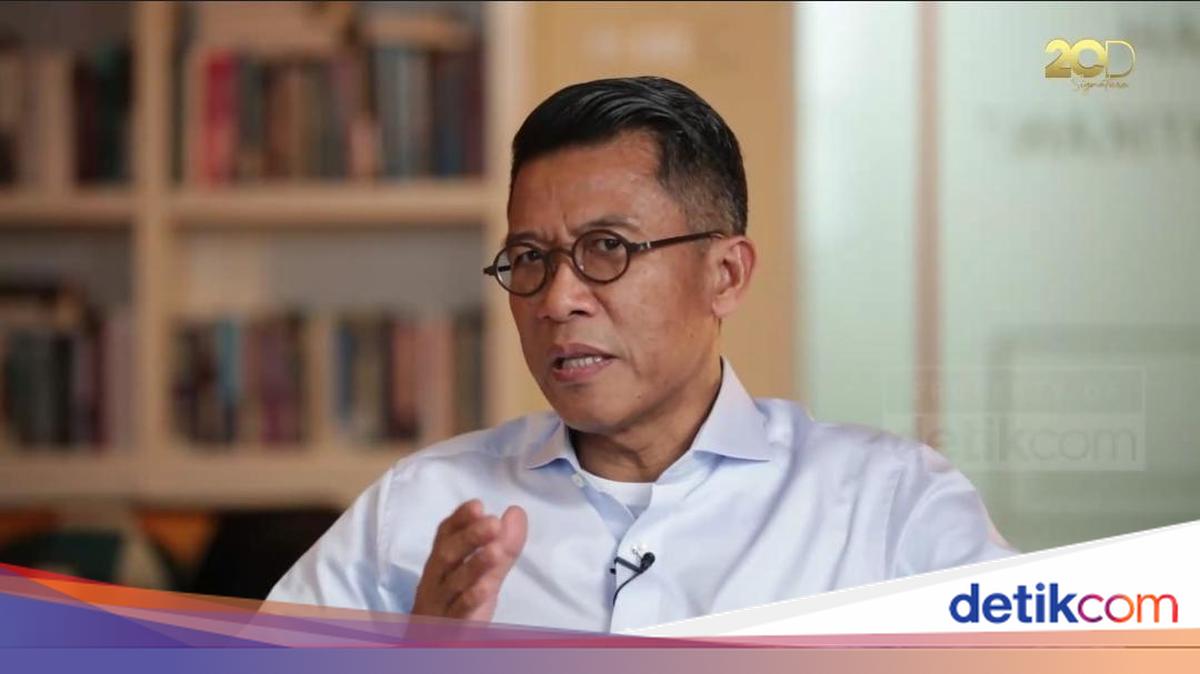
The Indonesian Parliament has ratified five members of the Financial Services Authority (OJK) Board of Commissioners for the 2026-2031 term. House Commission XI Chairman Mukhamad Misbakhun has called for strengthened oversight of the financial services sector, particularly in safeguarding the stability of the national financial system.
Misbakhun stated that the responsibilities of the OJK’s Board of Commissioners will become increasingly significant going forward, given the expanding scale of the national financial services industry and rising exposure to global risks, including financial market volatility, fintech developments, and increasingly complex consumer protection challenges.
“Our financial services industry is no longer small. The scale of oversight is large and the risks are increasingly complex. Therefore, the OJK must emerge in the future as a regulator that is firm but also adaptive to change,” Misbakhun said in a written statement on Saturday, 14 March 2026.
Misbakhun also highlighted the importance of strengthening oversight of the rapidly growing digital financial sector, including online lending (fintech lending), cryptocurrency assets, and other financial technology innovations that require a balance between innovation and risk management.
“The OJK must not merely be a rule maker, but must be a market guardian. Innovation must be protected, but risk discipline cannot be relaxed. If oversight is weak, the first to suffer are the public,” he stressed.
Furthermore, Misbakhun emphasised that consumer protection must be a priority for the OJK’s new leadership, particularly given the ongoing volume of public complaints regarding financial services practices, ranging from illegal online loans to high-risk investment products that are not fully understood by the public.
According to him, the public’s financial literacy rate, which remains around 50 per cent, demonstrates that half of Indonesia’s population remains vulnerable to risks from financial products they do not fully comprehend. Therefore, the OJK’s role in education and oversight is highly strategic.
“If our financial literacy is not widespread, then the regulator must not fall behind the business actors. Education must be aggressive, oversight must be progressive, and consumer protection must be tangible,” he said.
He also emphasised the importance of maintaining investor confidence in Indonesia’s financial system, noting that perceptions of regulatory quality significantly influence investment flows and the stability of the national financial market.
“Financial markets are very sensitive to trust. The OJK must ensure strong governance, consistent oversight, and clear policy communication. If trust is strong, the market will be stable. If trust wavers, pressure can come from anywhere,” Misbakhun stated.
Misbakhun added that House Commission XI will closely monitor the performance of the new OJK Board of Commissioners, particularly in ensuring that the mandate to strengthen the financial sector is implemented effectively and has a tangible impact on national economic stability.
“Parliament does not merely select but will also oversee. We want the OJK in this period to truly demonstrate the quality of strong, independent regulatory leadership that stands for financial system stability and the interests of the broader public,” he concluded.