
Parliament: Acid Attack on KontraS Activist is a Serious Alarm for the State
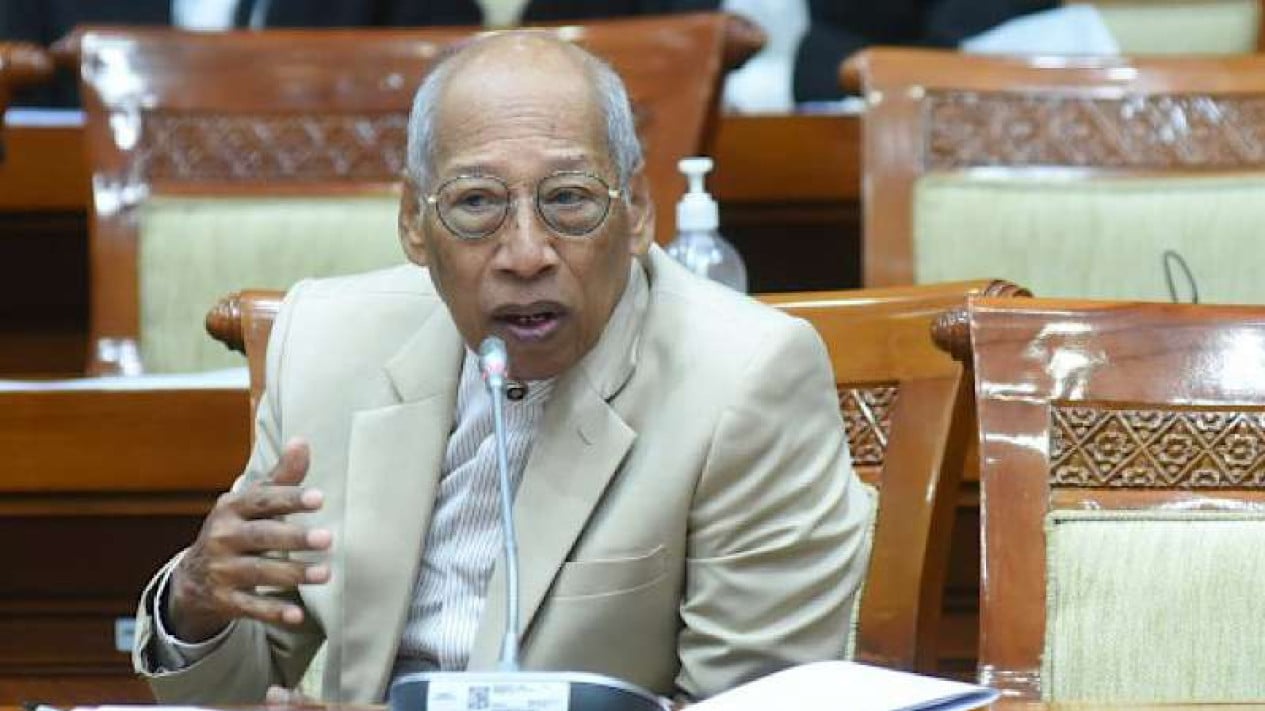
Jakarta – A member of Commission III of the Indonesian House of Representatives, I Wayan Sudirta, has stated that the acid attack against Andrie Yunus, an activist with the Commission for the Disappeared and Victims of Violence (KontraS), is not merely an ordinary criminal act.
According to him, the attack represents a serious test of the state’s commitment to protecting civil liberties and upholding the rule of law.
“Indonesia frequently affirms itself as a state of law and constitutional democracy,” Wayan said in a statement on Monday, 16 March 2026.
He described the acid attack on Andrie Yunus as a form of violence designed to cause permanent physical and psychological injury whilst creating a widespread climate of terror. “The purpose is clear: to silence courage and critical voices,” he said.
He pointed out that violence against activists is not a new phenomenon in post-reform Indonesia. In 2004, human rights activist Munir Said Thalib died from arsenic poisoning whilst on a flight to the Netherlands.
“That case still leaves major questions about who orchestrated the murder,” explained the PDI Struggle parliamentary faction member.
In 2015, he continued, Salim Kancil, an activist opposing illegal sand mining in Lumajang, was beaten to death by a group of individuals. Additionally, former KPK investigator Novel Baswedan fell victim to an acid attack in 2017.
Andrie Yunus is an activist frequently involved in advocacy and often voices criticism regarding security sector reform issues.
“Attacks do not always result in death. Many activists face intimidation, physical violence, legal criminalisation, and digital attacks,” he said.
Reports from various civil society organisations show that environmental activists, indigenous rights defenders, investigative journalists, and human rights advocates frequently become targets of pressure.
“The pattern is relatively consistent: those who voice critical concerns about the abuse of power or exploitation of natural resources often face risks of violence,” he stressed.
Furthermore, he said, the attack on Andrie Yunus serves as an alarm to the public that democracy is being tested. This case must be understood in the context that the incident does not stand alone but is part of a recurring pattern of threats against human rights defenders that continues without resolution.