
Parents Urged to Complete Child Immunisations at Least 14 Days Before Travelling for Eid
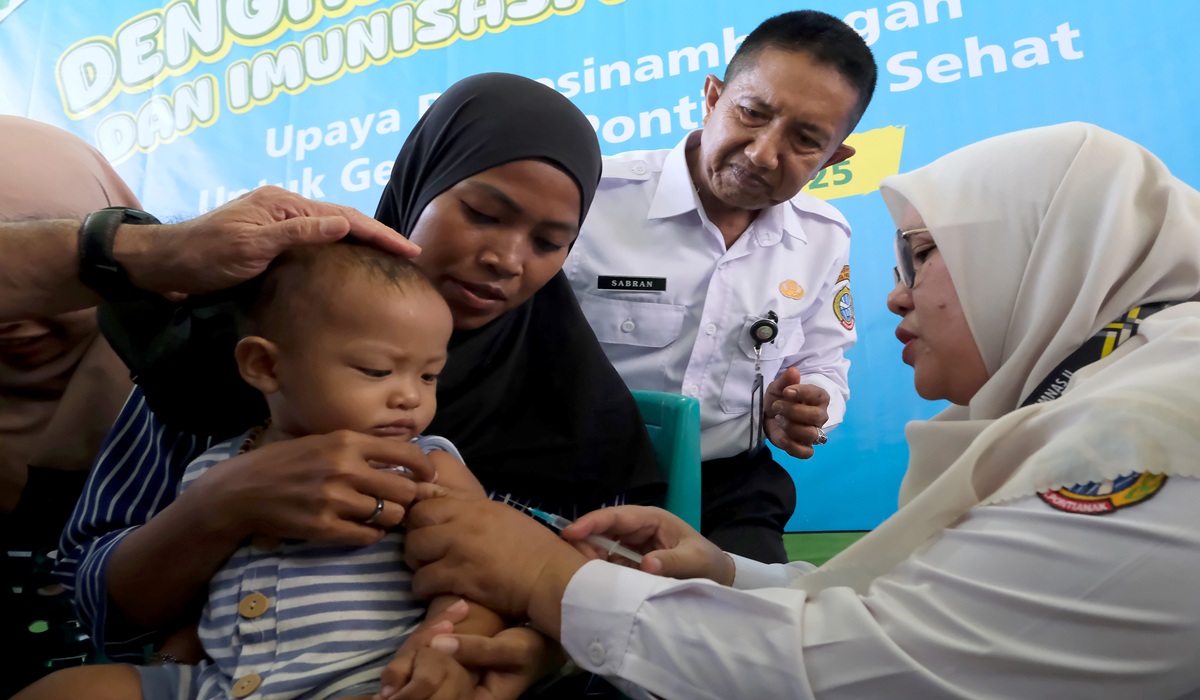
Parents planning to bring children on Eid holiday journeys are urged to immediately complete their children’s immunisation status. The ideal timing for vaccination is at least 14 days or two weeks before departure to ensure optimal protection during the holiday.
Dr Nastitti Kaswandani, paediatric respiratory specialist, explained that the body requires time to build immunity after receiving a vaccine. If vaccination is administered too close to the travel schedule, children risk not having adequate immunity when exposed to disease during travel.
“To obtain protection during travel, the vaccine needs sufficient time to generate immunity,” said Nastitti on Monday (9 March). “At minimum, for instance, 14 days—most vaccines require 14 days or two weeks to generate immunity,” she added.
Beyond antibody formation, Nastitti highlighted the aspect of child comfort. Last-minute vaccination or vaccination immediately before departure risks disrupting travel plans due to post-immunisation events (KIPI), such as fever or pain at the injection site.
She warned parents against vaccinating their children the day before departure.
“So do not get vaccinated today and travel tomorrow; instead of comfort, you could experience fever or pain at the injection site, and you would not gain immunity because there has not been sufficient time to generate it,” she explained.
As a preventive measure, Nastitti also advised parents to always carry fever-reducing medication in their medical kit during Eid travel.
Several types of immunisation are recommended before travelling to protect against contagious diseases, including influenza vaccine, respiratory tract infection caused by pneumococcus, measles, and Covid-19.
Additionally, hepatitis A and hepatitis B vaccination should be administered if the child has not yet received them.
Generally, she emphasised the importance of meeting complete basic immunisation in accordance with Health Ministry recommendations. This includes hepatitis B, BCG, polio, diphtheria, tetanus, measles and rubella vaccination.
“If we follow the government programme, all of these should already be fulfilled,” Nastitti concluded.