
Paper Waste in Indonesia: Recycling as an Environmentally Friendly Solution
Jakarta — Paper waste in Indonesia remains a serious challenge despite environmental conservation campaigns. Whilst paper is an organic material, its poor management at landfill sites can contribute to methane emissions. One of the most effective solutions to address this issue is through recycling practices.
However, many people still do not understand which types of paper are suitable for reprocessing. Not all paper is created equal, as cellulose fibre quality in paper diminishes each time it is processed. Therefore, paper sorting from household sources is a key factor in the success of a circular economy cycle.
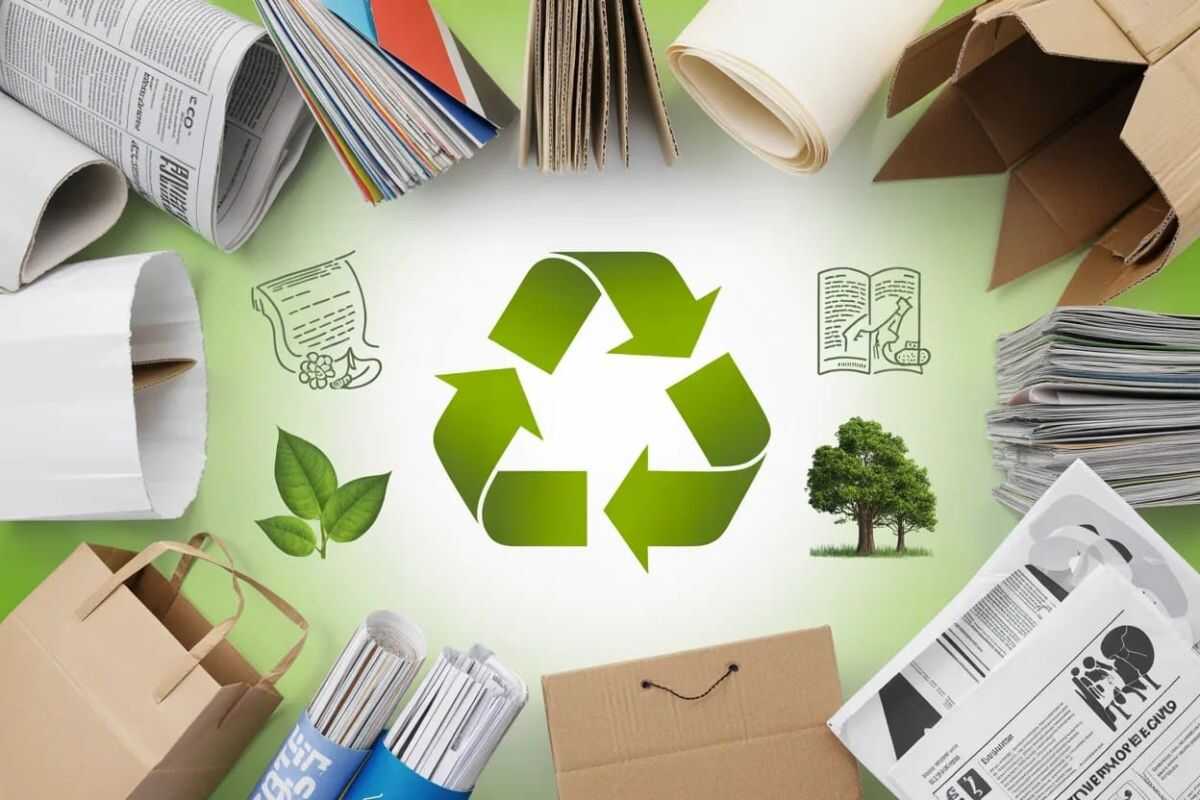
According to environmental experts, most paper used daily can be processed into paper pulp, such as HVS paper and books, corrugated cardboard, newspapers and magazines, and kraft paper and paper bags. HVS paper and books have strong fibres that are easy to process, whilst cardboard has high economic value due to its long fibres. Although newspapers and magazines contain ink, current de-inking technology allows such paper to be reprocessed into new paper.
Conversely, certain types of paper should be avoided in the recycling process, such as food-contaminated paper like greasy pizza boxes, plastic-lined paper such as disposable coffee cups, and thermal receipt paper. These types are difficult or impossible to recycle due to their chemical content and residue.
Paper recycling is now not only conducted by large-scale factories. Creative studios such as pulpery.com have emerged, demonstrating that waste paper can be processed into high-value art products using handmade methods. These studios also educate the public that household paper waste can be transformed into products such as greeting cards, art media, and environmentally friendly packaging.
With proper management, small steps such as separating clean paper from other domestic waste can extend the life of wood fibres and support the conservation of Indonesia’s forests. Recycled paper is not merely waste but a resource that continuously circulates within an environmentally friendly circular economy.