
PANRB: Government Must Listen to the Public’s Complaints
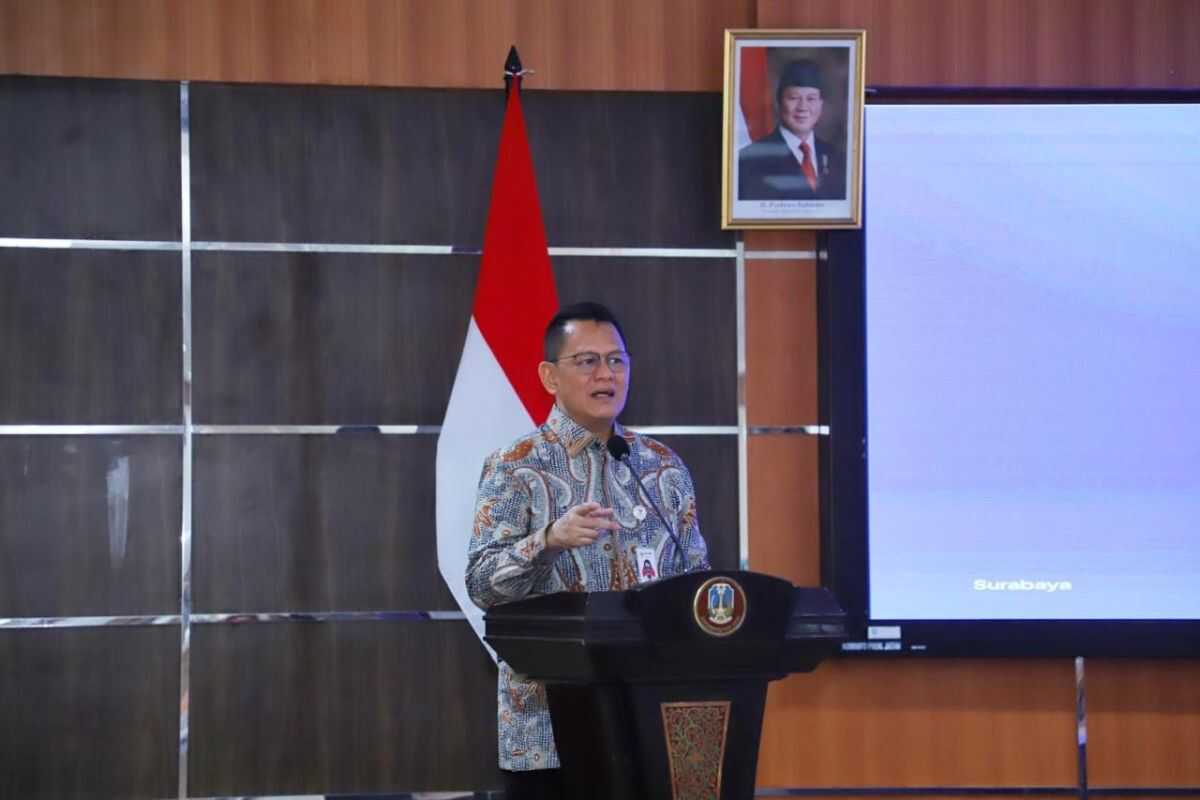
Public trust remains one of the main ‘currencies’ in governance and public service,Ot os Kuswandaru said in a statement in Jakarta on Thursday. He was speaking after attending the Pendampingan Sistem Pengelolaan Pengaduan Pelayanan Publik Nasional (SP4N) Pengelolaan Layanan Aspirasi dan Pengaduan Online Rakyat (LAPOR!) in East Java Province. He noted that public service is not merely about how quickly procedures run, but how responsive the government is to the voice of its citizens. Quick responses to complaints can boost trust in government work.
‘Public trust is one of the main ’currencies’ in governance and public service,’ Otok Kuswandaru said.
He said many countries are moving toward a human-centred public service approach, which truly focuses on the needs of the people.
Public trust in government is influenced by many factors. However, at the regional government level, one factor with significant influence is how public complaints are handled and resolved.
Throughout 2025, more than 151,000 reports and aspirations from the public submitted via SP4N-LAPOR! were recorded. The number of complaints does not always stay stable, but fluctuates at certain periods.
‘What we should appreciate, despite fluctuations, around 84 percent of those reports have been resolved, and this figure shows an improvement over the previous year,’ Otok said.
Otok said during President Prabowo Subianto’s leadership, the PANRB has optimised LAPOR! to monitor the implementation of the Fast Results Programme (PHTC). In 2025, complaints related to PHTC also showed a fairly good resolution rate.
‘This shows that all government agencies are collectively moving to become more responsive,’ he added.
In the same event, East Java Governor of Communications and Information Sherlita Ratna Dewi Agustin explained that LAPOR!’s East Java coordination nodes speed up the processing of complaints. This acceleration is achieved through coordination and collaboration across agencies.
Sherlita explained that with collaboration, complaint resolution becomes faster and more integrated. The improvement of public services, especially in East Java, cannot be separated from the complaints raised. ‘Complaint data becomes the basis for improving public services,’ she said.