
Panic! Iran War Triggers Global Aluminium Rally
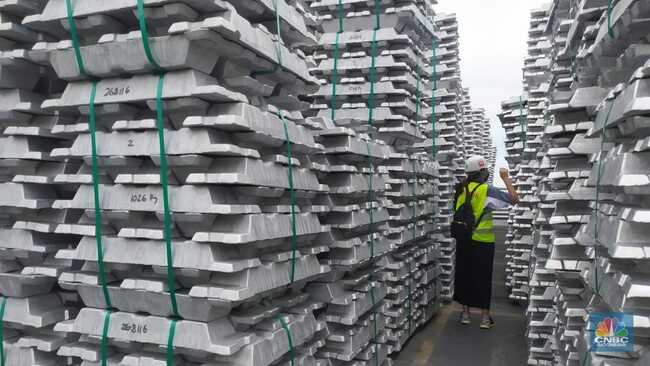
Global aluminium prices continue to climb amid Middle East geopolitical tensions. On Wednesday (4 March 2026), aluminium was traded at US$3,307.65 per tonne, up 0.92% from the previous day. Over the past month, it has risen by 8.98%. Year-on-year, prices have surged 24.10% based on contracts for difference (CFD) tracking the base metal market. The increases followed escalations in the conflict impacting shipping flows through the Strait of Hormuz, where around 150 ships were reported to be held in the area. The Strait is a key energy and commodity distribution hub between Asia and Europe. Disruptions at this point directly affect global supply perceptions. The benchmark aluminium traded on the London Metal Exchange briefly touched levels above a one-month high. The Middle East region itself is a major supplier of primary aluminium globally, with much of its production shipped to the United States and Europe. When logistics are disrupted, the physical market comes under pressure. According to Goldman Sachs’ analysis, the main risk at present is the potential stoppage of exports and distribution of raw materials via Hormuz. If the disruption is short-lived, the price upside is limited. But if it lasts up to a month, the impact will be felt on global inventory structures. The bank’s simulations estimate that full production loss for a month could reduce global aluminium stock coverage in Q1-2026 from 51 days of consumption to 48 days. In the base metal market, small changes in the stock-to-use ratio can trigger sharp price spikes. The situation is more sensitive because energy costs remain high while aluminium smelters rely heavily on electricity. In a scenario of double pressure from dwindling stocks and high energy costs, aluminium prices could be driven toward a range of US$3,600 per tonne, about US$400 above the current spot price. That rise would be necessary to maintain producer margins. Nonetheless, Goldman’s base projection for H1-2026 remains at an average of around US$3,150 per tonne. In other words, the rally currently underway is highly dependent on the duration of the Hormuz disruption. If the route returns to normal soon, price pressures may ease. For downstream users, the 24% year-on-year jump serves as a serious signal, with automotives, construction, and packaging manufacturers facing potential higher input costs.