
PAN Supports Cash Restrictions in Elections, Pushes for Regulatory Revision
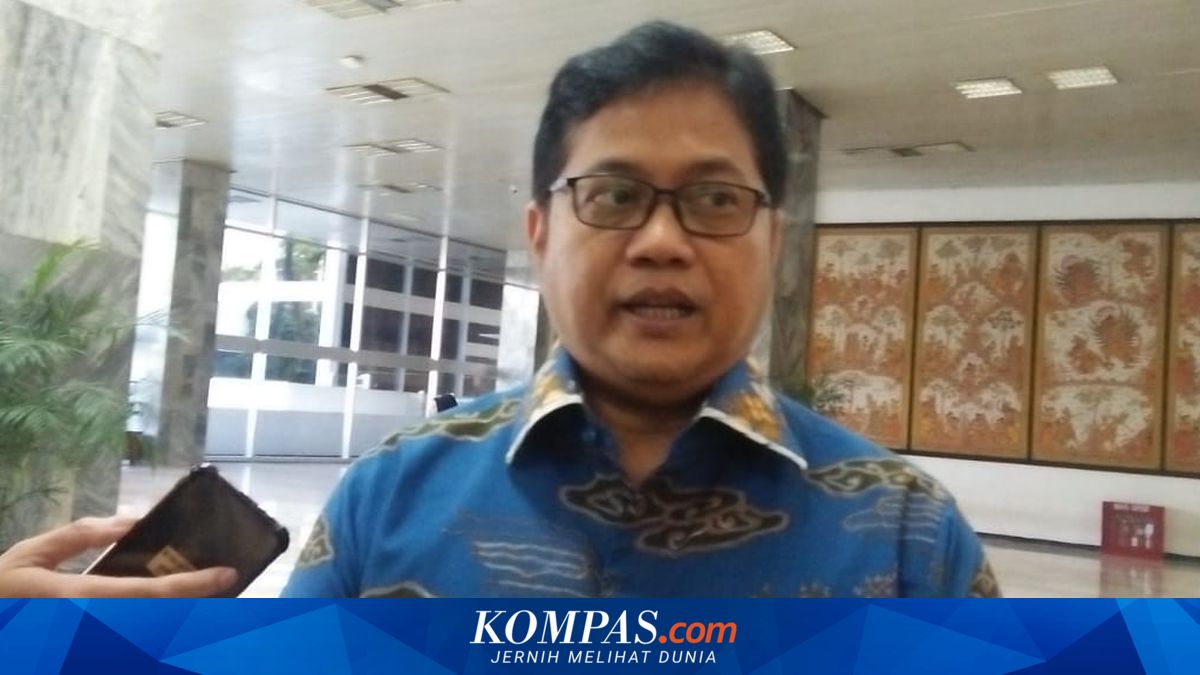
JAKARTA, KOMPAS.com - The National Mandate Party (PAN) supports the Corruption Eradication Commission’s (KPK) proposal regarding the restriction of cash usage in election stages. Deputy General Chairman of PAN’s Central Executive Board, Viva Yoga Mauladi, assessed that the idea represents a strategic step to improve the quality of electoral democracy. However, Viva emphasised that the issue cannot be viewed solely through the lens of money politics practices. According to him, the approach used must also consider broader aspects. “Actually, it should not be examined only from the aspect of money politics practices (vote buying), but also concerns the social and cultural system of society, the design of election laws, and the structure of power,” he stated. This is considering that Indonesia’s political system still relies on high-cost mobilisation, while cash serves as a quick, flexible, and difficult-to-trace instrument. Viva also mentioned that several countries have already implemented cash restriction policies in elections, such as India, Brazil, and South Korea. Nevertheless, PAN reminds that cash restrictions should not be interpreted as an effort to hinder political activities. According to him, the policy aims to safeguard the value of people’s sovereignty so that it is not reduced to vote-buying transactions. “All of this is directed so that the value of people’s sovereignty as a noble value of democracy is not transformed into an economic commodity,” he stated. Viva added that cash restrictions have the potential to effectively suppress money politics, particularly in formal campaign transactions such as advertising, logistics, and consultant services, especially in urban areas with adequate banking access. However, he acknowledged that the policy will not immediately eliminate money politics practices. Because, money politics methods can adapt, including shifting to digital transactions through third parties. In addition, integrated oversight mechanisms with other institutions, such as the Financial Transaction Reports and Analysis Center (PPATK), are also needed.