
PAN Says It Will Continue Supporting Free Nutritious Meal Programme Despite PDIP's Directive
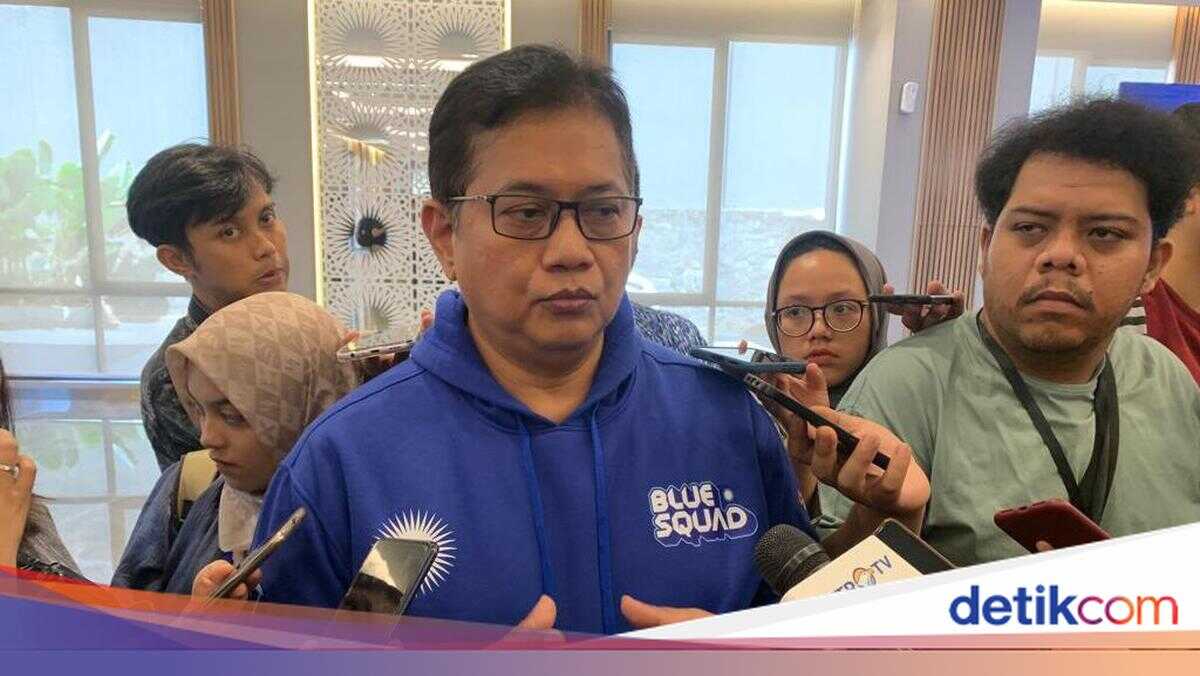
PAN Vice Chairman Viva Yoga Mauladi has responded to the Indonesian Democratic Party of Struggle’s (PDIP) circular directive instructing party cadres not to exploit the Free Nutritious Meal Programme (MBG). Viva emphasised that PAN continues to offer full support for the programme.
“According to PAN, MBG is one of the programmes to realise President Prabowo Subianto’s Eight-Point Vision in improving human resource quality, eradicating poverty, hunger, and stunting, as well as enhancing healthcare and education standards,” Viva Yoga said to journalists on Saturday (28 February 2026).
Viva assessed that MBG is not merely a food assistance programme. Rather, she stated, MBG represents an investment in Indonesia’s future. “MBG is a national investment in building Indonesian civilisation through a development strategy focused on health, education, and the people’s economy, as well as maintaining national integration because the state is present in the lives of Indonesians,” she said.
She noted that PAN General Chairman Zulkifli Hasan had instructed all legislative members, cadres, and party officials to support the smooth implementation and success of the MBG programme. Viva stressed the importance of involving professional staff and local micro, small, and medium enterprises (MSMEs) in managing Nutritional Fulfilment Service Units (SPPG), which serve as the operational units providing nutritious meals.
“Zulkifli Hasan also emphasised that food supplies for MBG menus should come from local farmers and entrepreneurs producing MBG food requirements, so that the people’s economy can grow exponentially, thereby stimulating national economic growth and improving regional food security indices,” she said.
The same point was made by PAN Vice Chairman Saleh Daulay. He stated that PAN would remain consistent in supporting all of Prabowo’s programmes. Saleh called on all PAN cadres and sympathisers to collaborate to ensure the MBG programme is implemented properly. He also reminded them that if there are shortcomings or obstacles during implementation, these must be immediately reported to relevant parties, particularly the National Nutrition Agency (BGN).
“With this approach, any identified shortcomings can be corrected and improved, so that MBG services in society become progressively better,” he said.
“For now, there are certainly many service deficiencies, but this does not mean they cannot be remedied. We hope that within the coming months, this free nutritious meal service will have improved and be able to reach all beneficiaries,” he added.
Furthermore, Saleh commended PDIP’s political stance. He expressed hope that PDIP would oversee the MBG implementation. “The National Mandate Party certainly greatly appreciates the political stance of the Indonesian Democratic Party of Struggle. That political position is part of democracy’s implementation. Differences in society should be our means of strengthening our nation into an advanced country,” he said.
“Therefore, with such a political stance, we hope the Indonesian Democratic Party of Struggle will also oversee the implementation of this MBG programme in society, and they will certainly voice the various shortcomings found in the community,” Saleh added.
Previously, PDIP had instructed all its cadres not to exploit the Free Nutritious Meal Programme (MBG) for personal or factional interests. PDIP warned it would take firm action against cadres who violate the rules.
This was outlined in a circular dated 24 February 2026, received on Thursday (26 February). The letter was signed by PDIP Secretary General Hasto Kristiyanto and DPP Chairman Komarudin Watubun.
In the circular, the PDIP Central Board emphasised that the MBG programme is financed from the State Revenue and Expenditure Budget (APBN), including through reallocation of the national education budget, which is sourced from people’s taxes.
“The education budget is, in principle, to be used maximally for national education interests to educate the nation’s life, including teacher salaries and allowances, improvement of teacher capacity and quality, and provision of educational infrastructure.”