
PAN Has No Problem with Parliamentary Salary Cuts Due to Middle East Conflict: Following the President
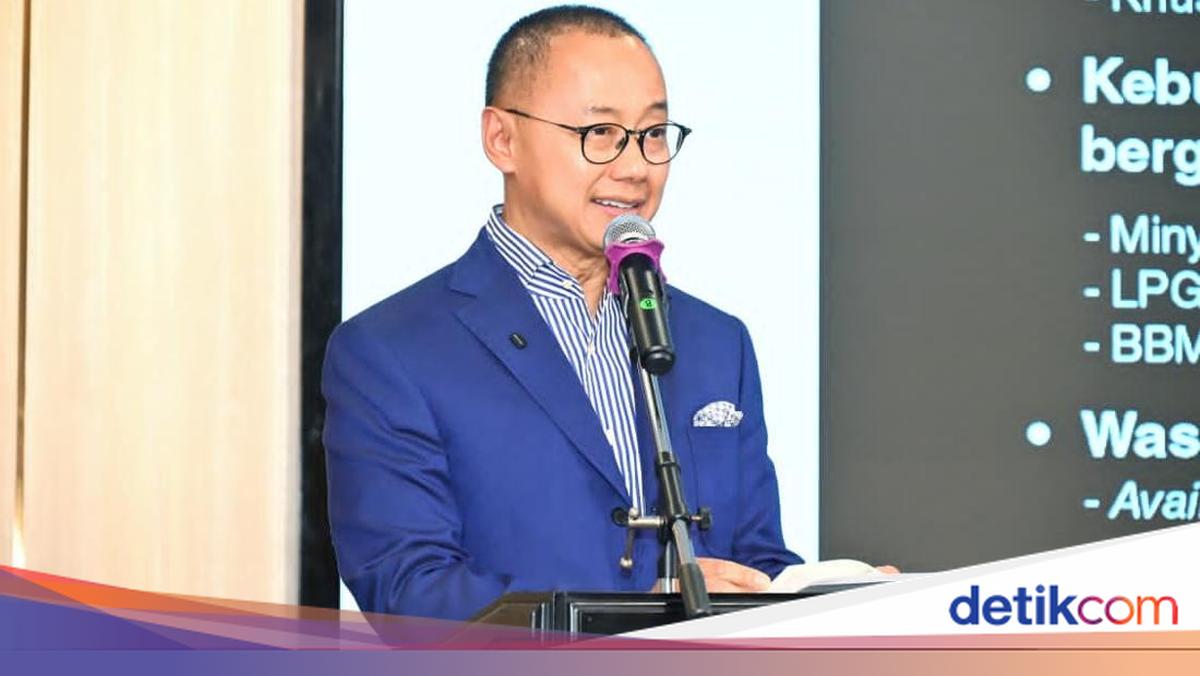
The Deputy Chairman of PAN and member of DPR Commission XII, Eddy Soeparno, stated that he had no objection to parliamentary salary cuts as a measure to address the conflict situation in the Middle East. Eddy said his party would follow the direction of President Prabowo Subianto.
“We follow the President’s direction. For the sake of the nation and with the determination to always prioritise the interests of our people, we are certainly ready,” Eddy told journalists on Monday (16 March 2026).
The Deputy Chairman of the People’s Consultative Assembly said his party agreed with various measures outlined by Prabowo to anticipate the impact of the global conflict, including the possibility of energy conservation.
“What has been communicated by the President we agree with, starting from the possibility of work from home, and then perhaps also a reduction in working days so we can save energy,” he said.
According to him, the proposal put forward by Prabowo was already comprehensive enough. He stressed there was no problem with the proposal.
“So what the President proposes I think is already very complete and comprehensive, and we agree with what he has conveyed,” he said.
Earlier, Prabowo stated that several countries had taken adaptive measures in addressing the conflict situation in West Asia or the Middle East. Prabowo then gave the example of Pakistan, which had also cut the salaries of cabinet members and parliamentary members.
This was conveyed by Prabowo during a Full Cabinet Meeting at the State Palace in Jakarta on Friday (13 March 2026). Prabowo emphasised that the government could not ensure a safe situation without taking proactive measures.
Prabowo said Pakistan had implemented work from home for government and private sector employees. Working days were also reduced to four days.
“So they consider this already critical, so they call it critical measures. As if to say that this for them is what we experienced during COVID. They implement work from home for all offices, both government and private, with 50 per cent working from home. Then, they reduced their working days to just four days,” he said.
Prabowo continued that Pakistan also cut the salaries of ministers and parliamentary members. The budget adjustments were used to help disadvantaged members of society.