
Palopo Immigration Office's Village Mentoring Programme detects and prevents non-procedural Indonesian migrant workers
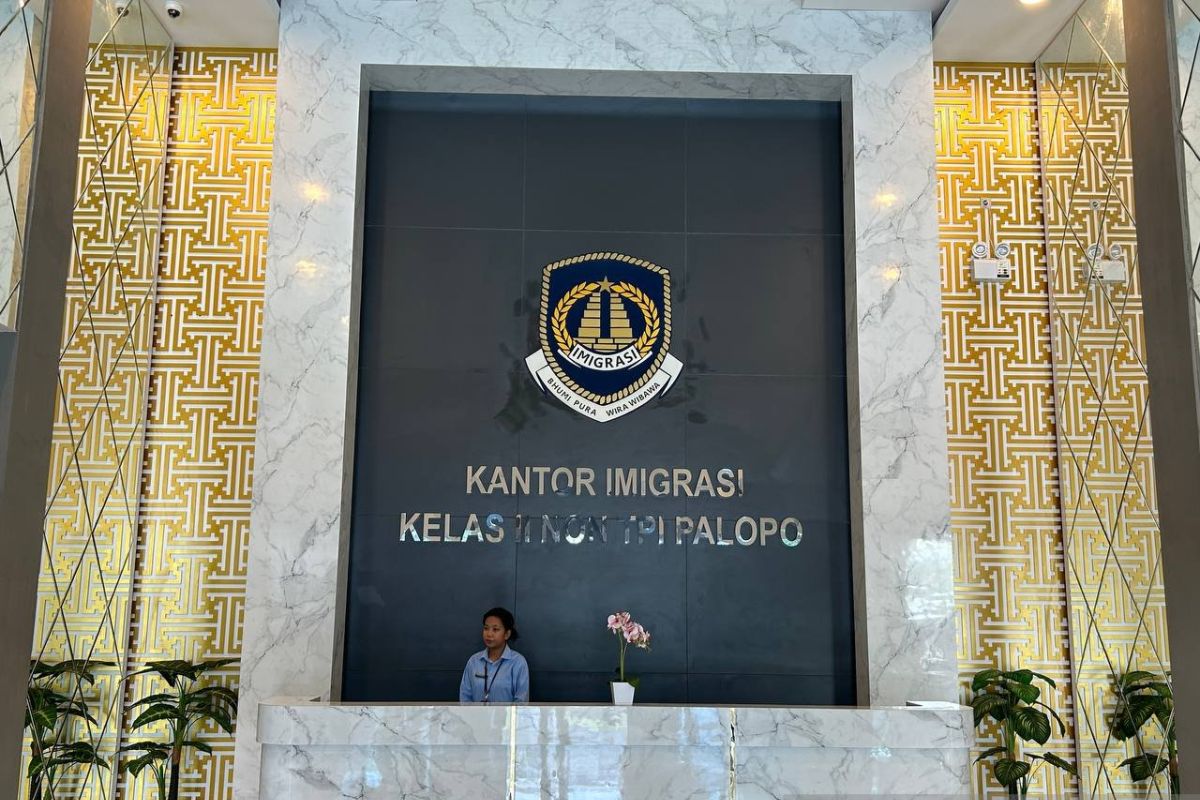
Palopo, South Sulawesi – The Palopo Class II Immigration Office, Non-TPI Palopo, has carried out early detection and prevention of departures of non-procedural Indonesian migrant workers (PMI) through the Immigration Village Mentoring Programme (Desa Binaan Imigrasi).
“Now we have an Immigration Village, that is one of the ways we prevent PMI non-procedural, TPPO and TPPM,” said Yogie Kashogi, head of the Palopo Immigration Office, in Palopo on Wednesday.
Yogie explained that the Immigration Village Mentoring Programme began in 2023 and to date nine villages have been formed across five duty areas: Palopo City, Luwu Regency, Luwu Timur Regency, Luwu Utara Regency, and Toraja Utara Regency.
The designated villages were chosen based on high passport application numbers, such as in Toraja Utara. In that region two villages have been formed there; the most in Palopo City, with four villages, while Luwu Timur, Luwu, and Luwu Utara each have one village.
The activities carried out in the Immigration Villages include educating the public about the dangers of illegal practices in PMI deployment and directing people to use official procedures, as well as improving legal awareness so that communities are not exploited due to a lack of knowledge about immigration rules.
In addition, the programme aims to strengthen community roles, such as encouraging residents to become active partners in prevention and reporting of crimes, and to expedite access to services to facilitate villagers in accessing immigration services such as passports, by reducing geographical and bureaucratic barriers.
In each village, Yogie said, the Palopo Immigration Office places an immigration village mentor (Pimpasa) who functions to implement immigration mentoring tasks.
“Pimpasa is like the Bhabinkamtibmas in the Polri, and also serves as a link between immigration and the community. We hope that with the existence of immigration villages we can provide information to the public about preventing PMI non-procedural and directing them to formal channels,” he said.