
Palm Oil Prices Soar, Global Conflicts as Trigger
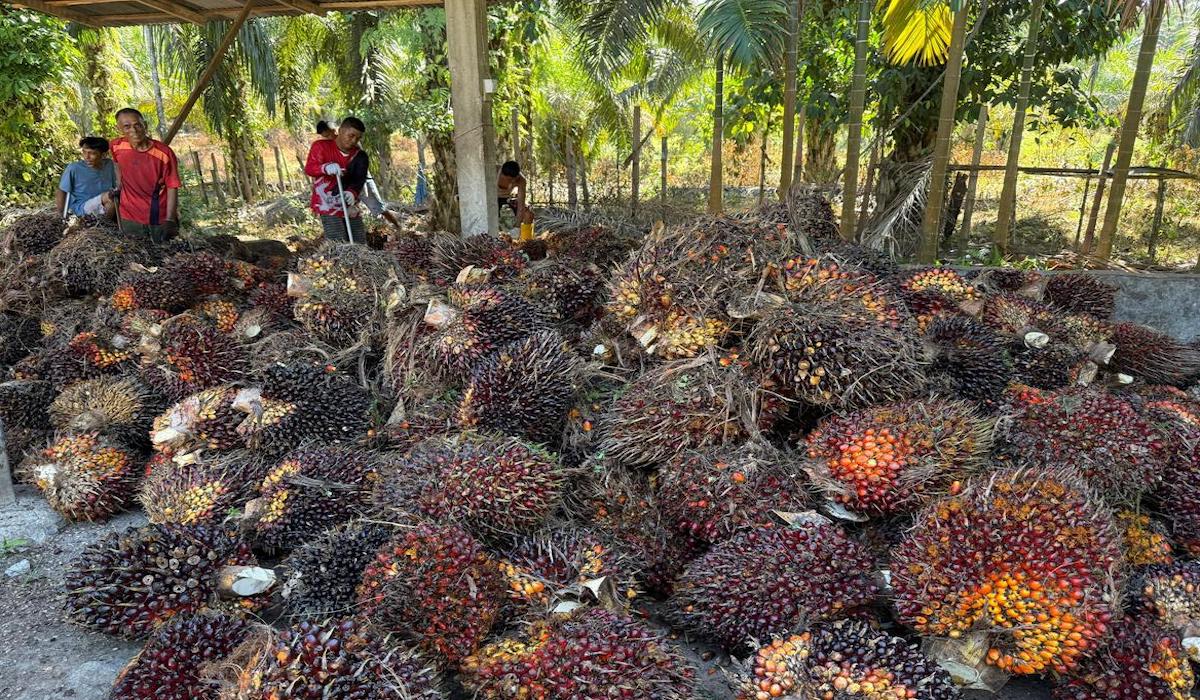
The increase in crude palm oil (CPO) prices in the second quarter of 2026 is estimated not to be merely triggered by ordinary market factors, but influenced by global energy dynamics and geopolitical conflicts. Indonesia Palm Oil Strategic Studies notes that this trend marks a shift in palm oil’s position from a food commodity to a part of the global energy system.
In the Q2 2026 Palm Oil Outlook, CPO prices are projected to surge significantly in the coming months. From around US$1,165 per tonne in March 2026, rising to US$1,440 per tonne in April, then further to US$1,701 in May, and reaching US$1,783 per tonne in June 2026.
IPOSS assesses that this strengthening is closely related to the rise in global energy prices, particularly amid the escalation of conflicts involving Iran, the United States, and Israel.
“In situations like this, CPO is increasingly perceived not only as a food and industrial commodity, but also as a commodity with a strategic function in the energy system,” states an excerpt from the IPOSS press release, quoted on Friday (3/4).
Global conditions are also expected to directly impact the domestic market. Domestic CPO prices are projected to rise from around Rp15,065 per kilogram in March to Rp18,776 per kilogram in April, with the strengthening trend continuing until mid-year. However, price formation remains influenced by domestic policies such as export levies and exit duties.
On the supply side, the situation is not entirely loose. National CPO production and its derivatives until the end of the second quarter of 2026 is estimated to reach 23.7 million tonnes, slightly below the same period the previous year. Meanwhile, exports are also projected to decline to 6.70 million tonnes, from 7.22 million tonnes in 2025. This means the price increase occurs under relatively tighter supply conditions.
IPOSS also highlights other factors complicating the market situation, from seasonal transitions that could trigger droughts in production centres to the continued high role of domestic biodiesel consumption. The combination of climate, energy, and geopolitical factors makes palm oil price movements increasingly sensitive to external changes.
This situation is seen as a reminder that the resilience of the palm oil industry cannot rely solely on price momentum. IPOSS stresses the importance of maintaining a balance between domestic needs and exports, while strengthening long-term production foundations.
Issues of smallholder plantation productivity and accelerating the people’s palm oil replanting programme are said to remain crucial to maintaining supply amid continuously increasing demand. Without structural improvements, price increases risk being unsustainable.