
Palm Oil Industry Committed to Achieving Equality for Female Workers
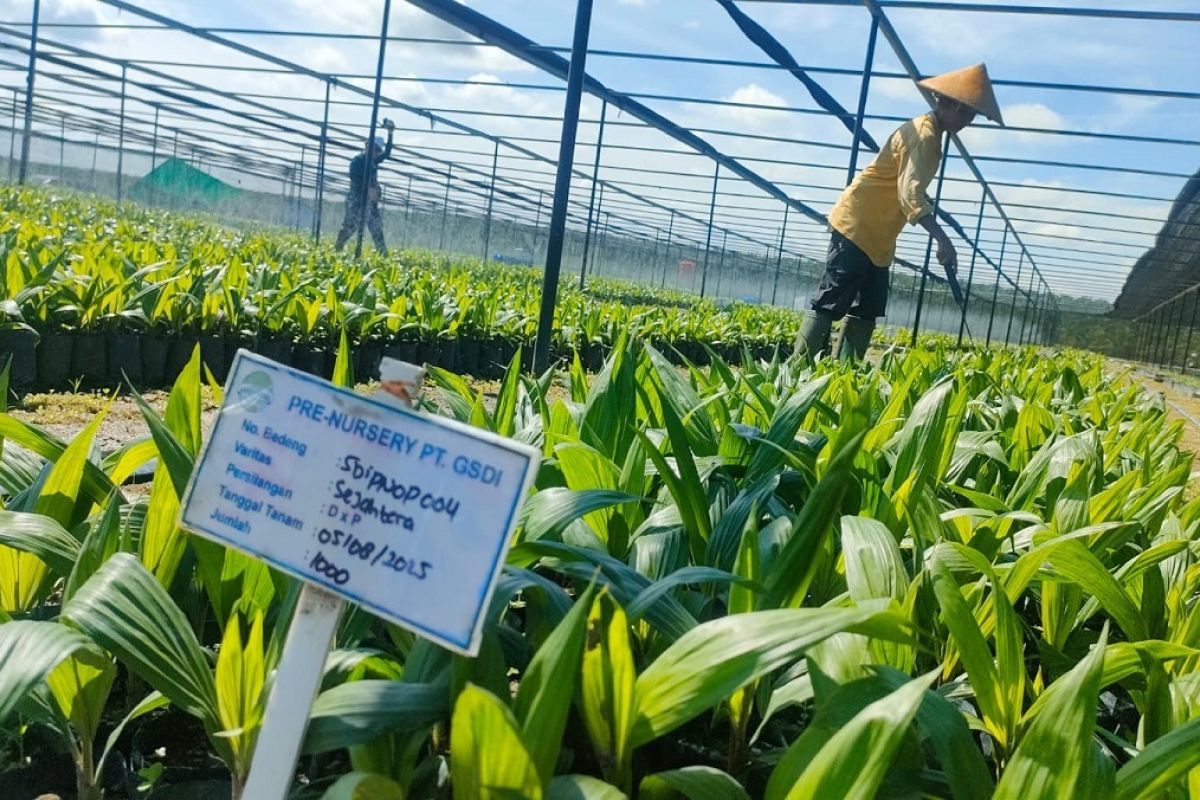
The palm oil industry continues to strive to optimise the potential of human resources (HR), including female workers. Jakarta (ANTARA) - The palm oil industry is committed to realising the principle of equality for female workers, including in terms of fair access, employment opportunities, and the fulfilment of labour rights without discrimination. Chairman of the Human Resource Development Division of the Indonesian Palm Oil Entrepreneurs Association (Gapki), Sumarjono Saragih, stated that the palm oil industry continues to endeavour to optimise the potential of human resources (HR), including female workers. According to him in Jakarta on Thursday, the principle of equality in the palm oil industry is realised by still paying attention to aspects of women’s uniqueness. “Opportunities to obtain employment must indeed be equal, but we must also consider women’s uniqueness from the perspective of job suitability to women’s physical strength,” he said. He explained that female workers in the palm oil industry generally work in maintenance and administration sections that relatively have a lighter physical workload. In the upstream sector, women work as harvesters and collectors of loose fruit, while in the downstream sector, they become cooperative members or plasma land managers. The Palm Oil Farmers’ Union (SPKS) stated that 86% of the workforce in the palm oil production process is dominated by women, especially in the early stages of the supply chain. They are heavily involved in activities such as fertilising, weeding, pesticide spraying, to collecting palm oil harvest results. Regarding labour protection aspects, Sumarjono assured that there is no difference in treatment between male and female workers, because protection and fulfilment of rights are basic rights of every worker that must be given equally regardless of gender. “Although women have their own uniqueness related to reproduction such as maternity leave and menstrual leave. However, those that are universal rights, rights to social security, rights to safe working conditions, are the same between men and women,” he said. Sumarjono added that the palm oil industry is initiating the formation of women’s committees in the work environment as an effort to ensure optimal gender equality. The existence of these committees plays an important role in early detection as well as preventing various risks that can harm, endanger, or reduce the fulfilment of women’s workers’ rights. “If there is a woman in the board of directors, she is the leader. This is a forum or group in the workplace to accommodate aspirations, complaints, grievances of female workers,” he said in his statement. Finally, he encouraged the government, especially the Plantation Fund Management Agency (BPDP), to continue supporting sustainable gender mainstreaming so that a work environment is created that supports the full development of each individual’s potential, without anyone being discriminated against. “There must be continuous movement because building awareness, making respect and equality a culture is a process that must be done sustainably. It cannot be just once,” he said.