
Palm Oil Export Levy Increase Could Erode Smallholder Farmer Incomes
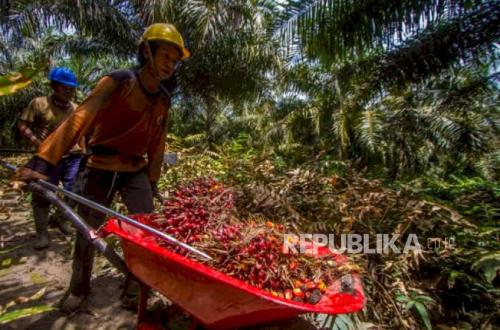
The Indonesian government’s plan to raise the export levy on crude palm oil (CPO) to 12.5 per cent has triggered alarm among smallholder palm oil farmers. The Indonesian Palm Oil Smallholder Association (SPKS) contends that the policy risks suppressing fresh fruit bunch (TBS) prices at the farm gate level.
The levy increase is outlined in Finance Ministry Regulation Number 9 of 2026. The government is raising the tariff from its previous level of 10 per cent to support funding for an increase in mandatory biodiesel from B40 to B50.
SPKS Chairman Sabarudin stated that the export levy increase will almost certainly impact the palm oil price received by farmers. According to a study by Prananta Center at the University of Indonesia, each one percentage point increase in the export levy could lower TBS prices by approximately Rp333 per kilogram.
“If the tariff rises by 2.5 per cent, the impact on farmers could be significant. TBS prices could fall by around Rp500 to Rp800 per kilogram,” Sabarudin said on Monday, 16 March 2026.
Sabarudin explained that these price declines occur whilst farmer production costs continue to climb, particularly for fertiliser and plantation maintenance. This situation means that falling palm oil prices directly erode farmer incomes.
SPKS estimates that a TBS price decrease could trigger farmer losses of approximately Rp85 billion to Rp100 billion each month. Over a year, potential losses are estimated to reach around Rp1.2 trillion.
Sabarudin stated that farmer welfare remains precarious because the trading chain is not considered conducive to farmers’ interests. Many palm oil mills purchase TBS through intermediaries, resulting in lower prices received by farmers.
As a result, prices received by farmers can be 30 to 40 per cent lower than government-set prices.
“Many mills that are actually affiliated with large companies still purchase through middlemen. This further depresses farmer prices,” Sabarudin said.
SPKS also criticised the use of export levy funds, which it contends have not delivered substantial benefits to farmers. The organisation noted that approximately 90 per cent of export levy revenues—around Rp40 trillion to Rp50 trillion per year—are used to support biodiesel programme subsidies.
Meanwhile, programmes directly targeting farmers, such as the Smallholder Palm Oil Plantation Rejuvenation Programme (PSR), are considered to be progressing slowly and remain difficult to access.
According to Sabarudin, many farmers struggle to participate in the PSR programme due to administrative requirements, including land documentation and forest status issues.
“Yet many farmers whose land is already certified remain hampered by administrative obstacles,” Sabarudin said.
SPKS has called on the government to reconsider its plan to increase the CPO export levy. The farmers’ organisation fears the policy will worsen the economic situation of smallholder palm oil farmers.
“If the levy keeps rising, it is the farmers who feel the impact most,” Sabarudin said.