
Palm Oil Carbon Sink Claims Under Scrutiny, Government Strengthens ISPO Standards
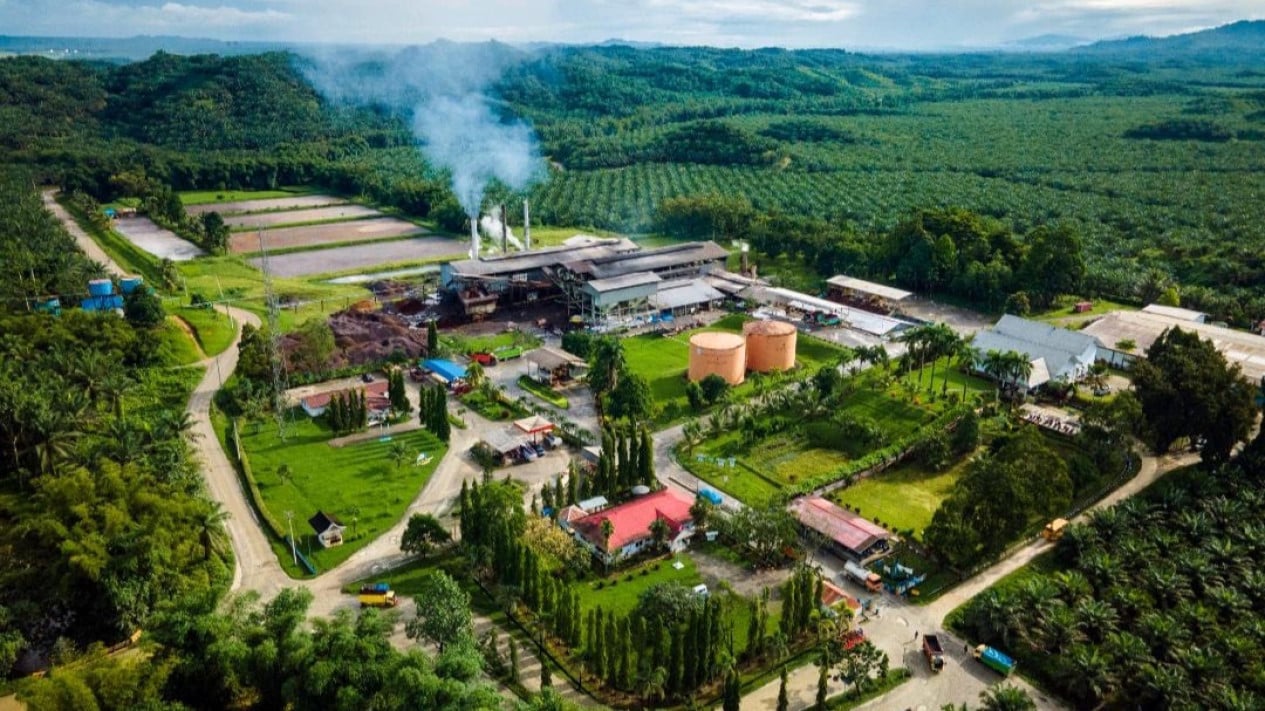
Jakarta, VIVA – Claims by the palm oil industry regarding its contribution to the green economy are under the spotlight. Observers assess that statements on environmental aspects, including its capacity as a carbon sink, need to be examined more carefully.
Chairman of the Positive Campaign Division of the Indonesian Palm Oil Entrepreneurs Association (GAPKI), Edi Suhardi, stated that this sector contributes to the national economy as well as having broad social impacts, including job absorption.
“Besides economic benefits, the palm oil industry provides socio-economic benefits through the creation of jobs both directly and indirectly for 17 million people,” he said, as quoted from a press release on Friday, 17 April 2026.
He explained that the palm oil industry also has an impact on the regional economy and contributes to the welfare of farmers, MSME actors, and communities around plantation areas.
Industry activities are also said to be linked to infrastructure development in previously isolated regions. “When we talk about palm oil plantations, these locations are usually in very remote areas. Companies must build roads and infrastructure to open access to the plantation sites,” he said.
Edi added that the palm oil industry is still considered to have potential to contribute to regional and national development. He also touched on the role of this sector in improving community welfare.
From an environmental perspective, he stated that the palm oil industry has implemented sustainability principles, including through standards applicable at national and global levels. He also mentioned that palm oil plantations have the capacity as carbon sinks.
“The palm oil industry has established standards, principles, and sustainability criteria through the Roundtable on Sustainable Palm Oil (RSPO) and the Indonesian Sustainable Palm Oil (ISPO). The palm oil industry must comply and adhere to sustainability standards,” he explained.
He added that the industry’s sustainability practices are driven by government regulations as well as global market demands. “This industry receives encouragement for sustainability practices from the government through ISPO and from the market through RSPO. We are committed to not engaging in deforestation,” he concluded.