
Palm fronds and the story of Lebak residents breaking the cycle of poverty
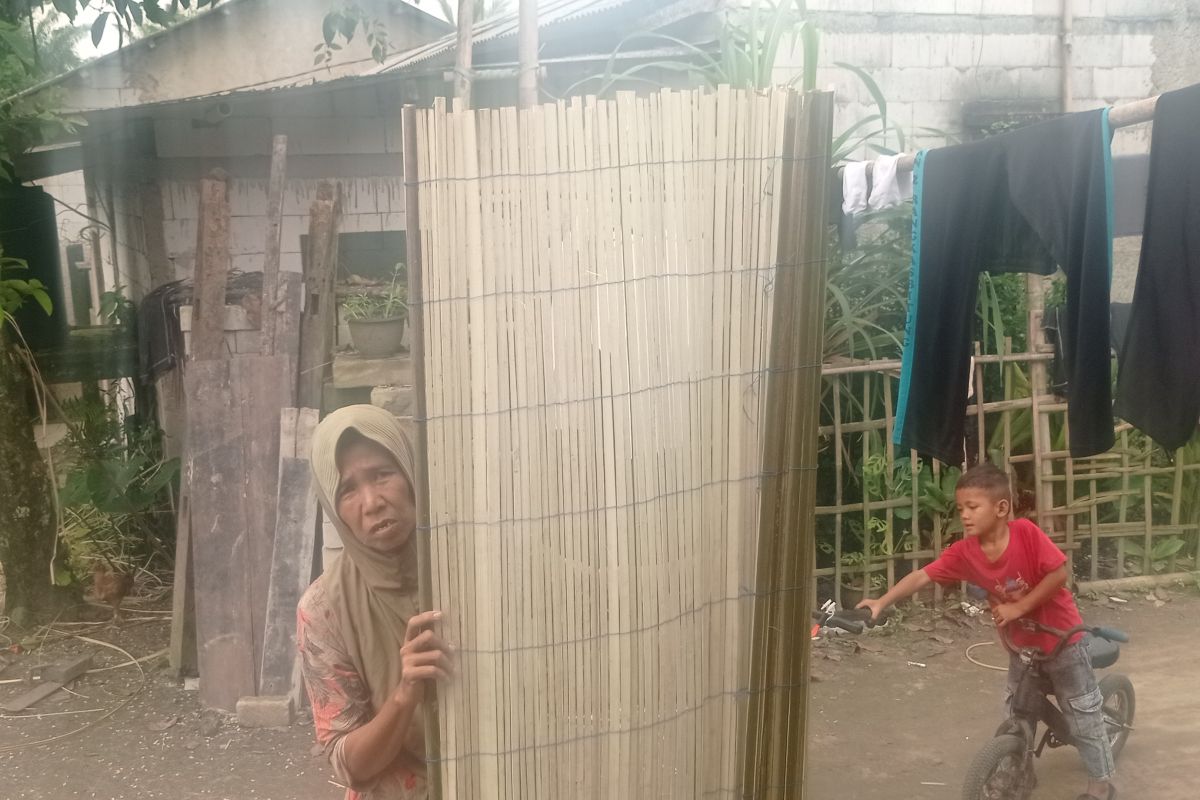
Dawn has just broken in the PTPN III Cisalak palm oil plantation area, Rangkasbitung, Lebak Regency. Dew still clings to the leaf tips as dozens of residents arrive carrying machetes and binding ropes. They are not there to harvest palm fruit, but to collect something that has long been considered waste: palm fronds. Amid piles of discarded fronds left by plantation workers, deft hands get to work. Some cut the leaf midribs, while others bind and transport them home. From this seemingly worthless material, the people of Kampung Cihiyang, East Rangkasbitung Village, have found a way out of poverty. The palm fronds are then processed into krey, traditional curtains used to shield against the sun’s heat and rain splatter in house yards or shops. The sound of rasping and weaving palm blades has become the pulse of village life. In the past, Kampung Cihiyang was known as one of the poverty pockets near the Lebak Regency government centre. Ironically, proximity to the town did not automatically bring prosperity. Most residents worked odd jobs on plantations, as farm labourers, or as construction coolies, earning less than one million rupiah per month. Meagre incomes meant many families could only survive day to day. Children’s education was often sacrificed. Not a few children dropped out of school even before completing junior high. Now, the village’s face is slowly changing. Semi-permanent houses stand along the settlements. Motorcycles are parked in front of homes. Electronic appliances are beginning to adorn residents’ living rooms. Most importantly, their children can now continue education up to high school and even aspire to university. This change has come with the development of palm krey handicrafts. “We are greatly helped by this krey business. Now life is more peaceful and the children can go to school,” said Nursaad (60) when met by ANTARA at his home. The man has been engaged in the krey business for 13 years. Together with his wife, he weaves sheet after sheet of krey from palm fronds that were previously seen as plantation rubbish. After school, their children also help. Of his five children, three are married. The fourth has graduated from vocational high school and is working, while the youngest, Sri Handayani, is still in vocational high school and preparing for field work practice in Tangerang. Nursaad still remembers the difficult times before discovering krey handicrafts. Back then, he worked as a construction labourer with uncertain income. When projects were scarce, he was unemployed. The small income meant three of his children once dropped out of school. “In the past, life was really tough. Now, alhamdulillah, it’s much better,” he said. In a day, Nursaad’s family can produce about five sheets of krey. Each sheet is priced at Rp30,000 by collectors. That means they can bring home around Rp150,000 per day or about Rp4.5 million per month. This amount is far greater than their previous earnings as daily labourers. A similar story comes from the husband-and-wife pair Mulyadi (45) and Sa’adah (40). For the last 10 years, they have depended on weaving palm fronds for a living. Before becoming artisans, Mulyadi worked as a farm labourer with uncertain income. Now, the krey business allows them to meet family food needs while schooling two children up to junior and senior high school. “We are grateful that the raw materials are easily obtained because palm fronds are abundant here,” said Mulyadi. For the people of Cihiyang, palm fronds are no longer waste. They have become a source of hope.